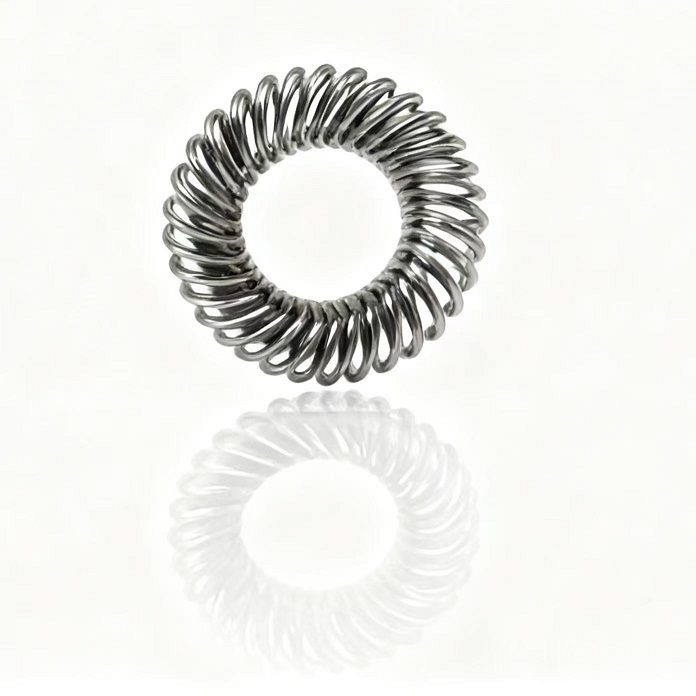
Wie sich die Kontaktkraftstabilität auf die Effektivität der EMI-Abschirmung auswirkt
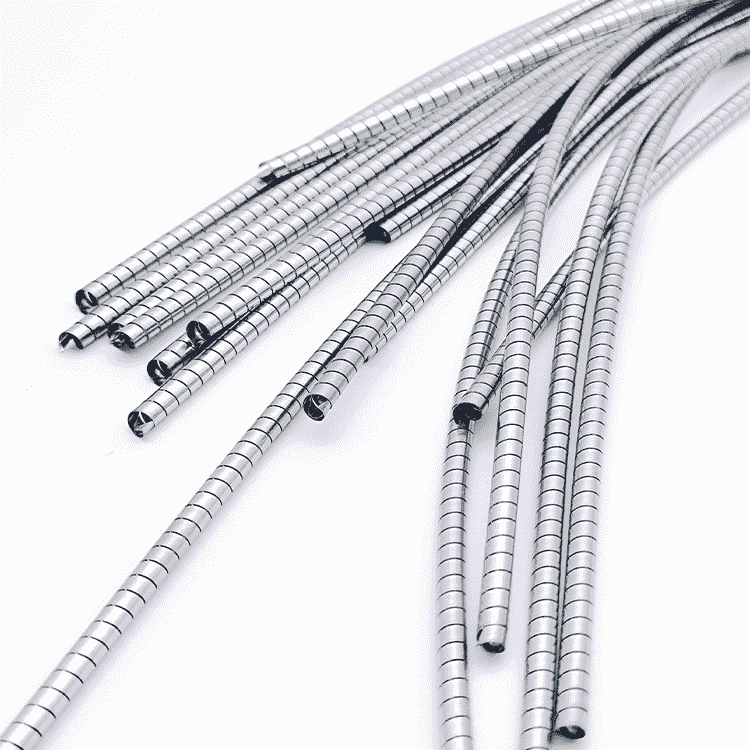
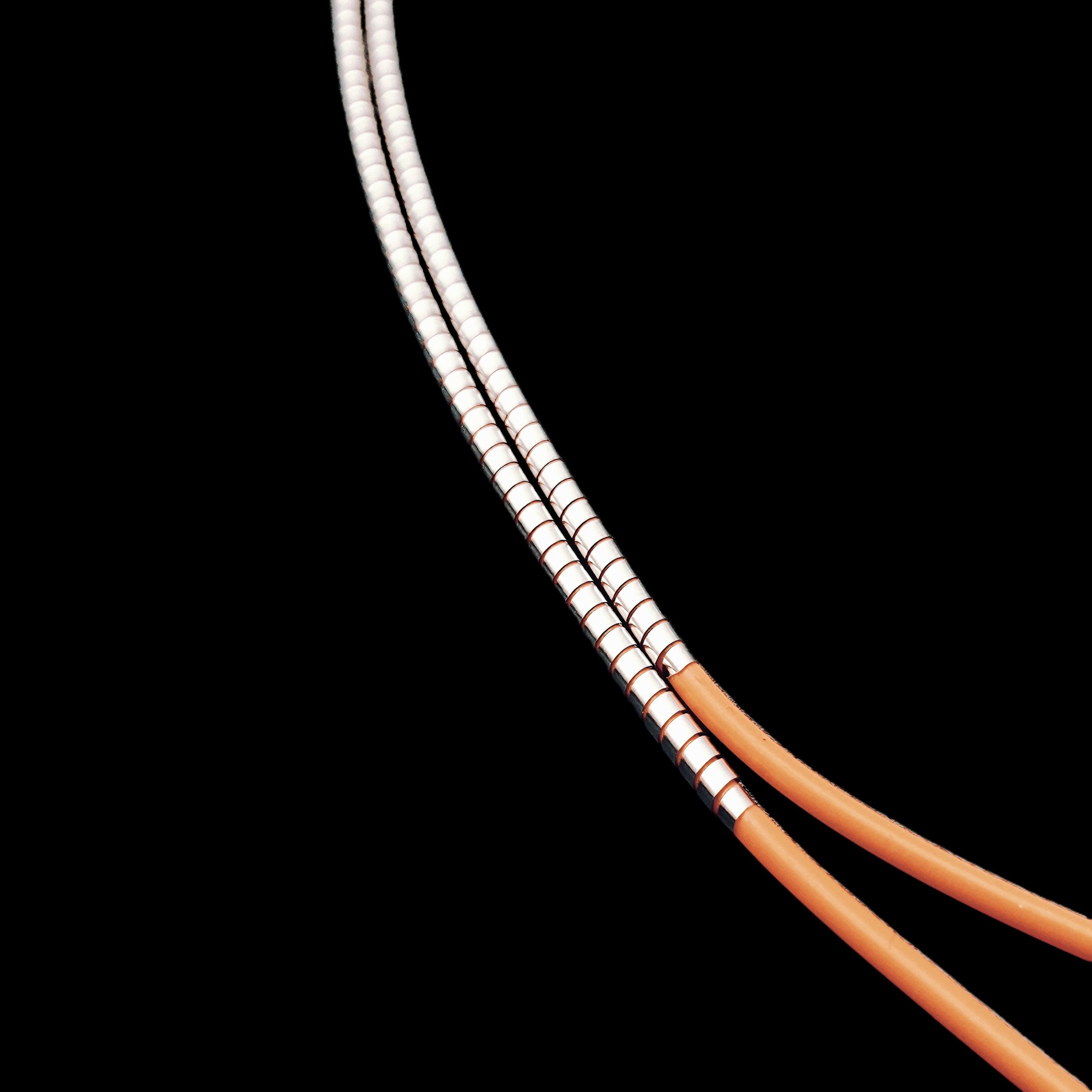
Unser EMI-Abschirmungsdichtungen sind für Anwendungen konzipiert, bei denen Kontaktkraftstabilität ist entscheidend für die langfristige elektromagnetische Verträglichkeit. Im Gegensatz zu herkömmlichen Dichtungen, die im Laufe der Zeit aufgrund von Spannungsrelaxation, Temperaturschwankungen oder Vibrationen an Druckkraft verlieren, halten unsere Lösungen die Kontaktkraft während des gesamten Produktlebenszyklus konstant.
Die wichtigsten Vorteile:
-
Stabile Abschirmungsleistung: Minimale Kraftrelaxation sorgt für dauerhaft niedrigen Kontaktwiderstand
-
Mehrere Kraftklassen: Niedrige, moderate und Standard-Kraftoptionen zur Anpassung an Ihre Anwendungsanforderungen
-
Bewährte Haltbarkeit: Getestet auf Krafterhaltung bei Wärmealterung, Temperaturwechsel und Vibration
-
Optimierte Entwürfe: Metallische Federdichtungen und federunterstützte Elastomeroptionen für anspruchsvolle Umgebungen
Ideal für Luft- und Raumfahrt, Militär, Industrieelektronik und Telekommunikationsanwendungen wo ein zuverlässiger EMI-Schutz nicht verhandelbar ist. Erhältlich mit Unterstützung für das Design von Nuten und Daten zur Leistungsvalidierung.
In der Welt der Abschirmung elektromagnetischer Störungen (EMI) wird die Leistung einer Dichtung oft nach ihrer Materialleitfähigkeit, ihrer Abschirmwirkung und ihrer Umweltbeständigkeit beurteilt. Es gibt jedoch einen kritischen Faktor, den Ingenieure manchmal übersehen -Kontaktkraftstabilität.
Eine Abschirmdichtung, die mit der Zeit ihre Druckkraft verliert, beeinträchtigt unweigerlich den Schutz, für den sie entwickelt wurde. In diesem Artikel wird untersucht, warum die Kontaktkraftstabilität wichtig ist, wie sie sich auf die Abschirmleistung auswirkt und welche Konstruktionsüberlegungen eine langfristige Zuverlässigkeit gewährleisten.
Warum die Kontaktkraft bei der EMI-Abschirmung wichtig ist
EMI-Abschirmungsdichtungen Funktion durch Erstellen einer durchgehende Leiterbahn zwischen zwei sich berührenden Oberflächen - in der Regel eine Gehäusetür und ihr Rahmen oder zwei Gehäuseteile. Dieser leitende Pfad vervollständigt eine Faradayscher Käfigund verhindern, dass elektromagnetische Wellen in den geschützten Raum eindringen oder aus ihm austreten.
Damit diese Leitfähigkeit wirksam ist, muss die Dichtung folgende Bedingungen erfüllen gleichmäßiger elektrischer Kontakt über seine gesamte Länge. Jede Lücke, jeder Spalt oder jeder Punkt mit hohem Widerstand kann zu einer Antenne oder einem Leckagepfad werden, was die Wirksamkeit der Abschirmung drastisch verringert.
Die Rolle der Kontaktkraft
Die Kontaktkraft ist der Druck, den die Dichtung auf die Gegenflächen ausübt. Diese Kraft dient zwei wesentlichen Zwecken:
- Gewährleistet widerstandsarmen Kontakt: Eine höhere Kraft verringert in der Regel den Kontaktwiderstand, indem sie die Anzahl der Kontaktpunkte erhöht und dünne Oberflächenoxide durchbricht.
- Hält den Kontakt über längere Zeit aufrecht: Umwelteinflüsse wie Vibrationen, Temperaturschwankungen und Materialverformung können zur Bildung von Lücken führen, wenn die Dichtung keine ausreichende oder stabile Kontaktkraft aufweist.
Die Beziehung zwischen Kontaktkraft und Abschirmwirkung ist nicht linear. Eine Dichtung mit unzureichender Kraft weist auf schnell abnehmende Abschirmungsleistung wenn auch nur kleine Lücken auftreten. Umgekehrt kann übermäßige Kraft die Dichtung, das Gehäuse oder die Befestigungselemente beschädigen oder die Montage erschweren.
Die Physik des Kontaktwiderstands
Die grundlegende Beziehung für die Wirksamkeit der EMI-Abschirmung lautet Durchgangswiderstand. Wenn zwei leitende Oberflächen aufeinandertreffen, findet der tatsächliche Kontakt nur an mikroskopisch kleinen Unebenheiten statt - den hohen Punkten auf jeder Oberfläche. Die gesamte Kontaktfläche ist ein Bruchteil der scheinbaren Fläche.
Durchgangswiderstand wird durch drei Faktoren bestimmt:
- Anzahl der Kontaktstellen: Mehr Punkte bedeuten weniger Widerstand.
- Kontaktkraft: Eine höhere Kraft verformt die Unebenheiten und schafft mehr Kontaktpunkte.
- Zustand der Oberfläche: Oxide, Verunreinigungen und Oberflächenrauhigkeit erhöhen den Widerstand.
Wenn die Kontaktkraft abnimmt, verringert sich die Anzahl der aktiven Kontaktpunkte. Wenn die Kraft unter einen Schwellenwert fällt, können die verbleibenden Kontaktpunkte den erforderlichen Strom nicht mehr leiten, und die Schnittstelle wird zu einer Quelle elektromagnetischer Leckagen.
Wie sich Kraftinstabilität entwickelt
Selbst ein gut konzipiertes Abschirmsystem kann mit der Zeit an Kontaktkraft verlieren. Um robuste Lösungen auszuwählen, ist es wichtig zu verstehen, wie sich die Kraftinstabilität entwickelt.
1. Materialrelaxation (Spannungsrelaxation und Kriechen)
Alle elastomeren und metallischen Werkstoffe weisen einen gewissen Grad an Spannungsrelaxation im Laufe der Zeit - eine allmähliche Verringerung der Kraft bei konstanter Kompression. Dies ist besonders ausgeprägt in:
- Elastomer-Dichtungen: Leitfähige Silikon- oder Fluorsilikondichtungen können im Laufe der Zeit 15-30% ihrer Anfangskraft verlieren, insbesondere bei erhöhten Temperaturen.
- Metallische Dichtungen: Einige metallische Werkstoffe (z. B. bestimmte Aluminiumlegierungen) sind zwar stabiler, können aber auch unter anhaltender Kompression kriechen.
2. Thermisches Zyklieren
Temperaturschwankungen verursachen eine unterschiedliche Ausdehnung zwischen Dichtung, Gehäuse und Befestigungselementen. Wiederholte thermische Zyklen können:
- Stressabbau beschleunigen
- Lösen Sie die Verschlüsse
- Dauerhafte Verformung von Dichtungsmaterialien erzeugen
3. Vibration und mechanischer Schock
Bei Anwendungen in der Luft- und Raumfahrt, in der Automobilindustrie oder bei Industrieanlagen kann die Kontaktkraft durch Vibrationen allmählich abnehmen:
- Lösen des Verschlusses
- Mikroskopischer Fretting-Verschleiß an Kontaktflächen
- Allmähliches Einsetzen der Dichtung in die Nut
4. Unsachgemäßes Rillendesign
Eine zu tiefe, zu flache oder falsch dimensionierte Nut kann dazu führen, dass die Dichtung entweder unterkomprimiert (unzureichende Kraft) oder überkomprimiert (beschleunigte Entspannung) wird. Beide Szenarien führen zu einem vorzeitigen Verlust der Kontaktkraft.
5. Toleranzen Stack-Up
Fertigungstoleranzen bei zusammenpassenden Bauteilen können dazu führen, dass die tatsächliche Verpressung erheblich von der Konstruktionsabsicht abweicht. Eine Anhäufung von Toleranzen kann dazu führen, dass die Dichtung eine geringere als die erforderliche Kompression aufweist, oder in einigen Fällen eine übermäßige Kompression, die die Materialermüdung beschleunigt.
Die Abschirmeffektivitätskurve: Eine visuelle Darstellung
Die Beziehung zwischen Kontaktkraft und Abschirmwirkung kann in drei Bereiche unterteilt werden:
| Kompression Bereich | Kraft Level | Wirksamkeit der Abschirmung | Risiko |
|---|---|---|---|
| Unterkomprimiert | Unten optimal | Schlecht bis mäßig | Hohes Risiko von Lücken und Leckagen |
| Optimale Reichweite | Empfohlene Kraft | Optimal (Bemessungswert) | Stabile Leistung |
| Überkomprimiert | Übermäßige Kraft | Anfangs gut, aber mit der Zeit abnehmend | Beschleunigte Entspannung, mögliche Beschädigung der Dichtung |
Warum die überkomprimierte Zone gefährlich ist: Während die anfängliche Abschirmung ausgezeichnet sein kann, beschleunigt eine übermäßige Kompression den Spannungsabbau. Mit der Zeit kann die Dichtung sogar unterkomprimiert werden - mit einer schlechteren Leistung, als wenn sie von Anfang an richtig komprimiert worden wäre.
Messung der Kontaktkraftstabilität
Die Quantifizierung der Kontaktkraftstabilität erfordert sowohl statische als auch dynamische Überlegungen:
Statische Kontaktkraft
Die Anfangsdruckkraft sollte innerhalb des vom Hersteller empfohlenen Bereichs liegen - in der Regel 15% bis 30% der ursprünglichen Höhe der Dichtung bei Elastomerdichtungen bzw. ein bestimmter Prozentsatz der Kompression bei Metallfederdichtungen.
Force Retention
Rückhaltekraft ist der Prozentsatz der Anfangskraft, der nach der Einwirkung von Umweltbelastungen erhalten bleibt. Hochwertige Dichtungen behalten mindestens 70-80% der Anfangskraft nach beschleunigten Alterungstests wie:
- Wärmealterung: 70°C bis 100°C für 7 bis 30 Tage
- Thermisches Zyklieren: Mehrere Zyklen zwischen extremen Temperaturen
- Exposition gegenüber Luftfeuchtigkeit85% relative Feuchtigkeit bei erhöhten Temperaturen
Technische Lösungen für stabile Kontaktkraft
Die Auswahl von Dichtungen mit stabiler Kontaktkraft erfordert ein Verständnis des Anwendungsumfelds und die Wahl geeigneter Technologien.
1. Metallische Feder-Dichtungen
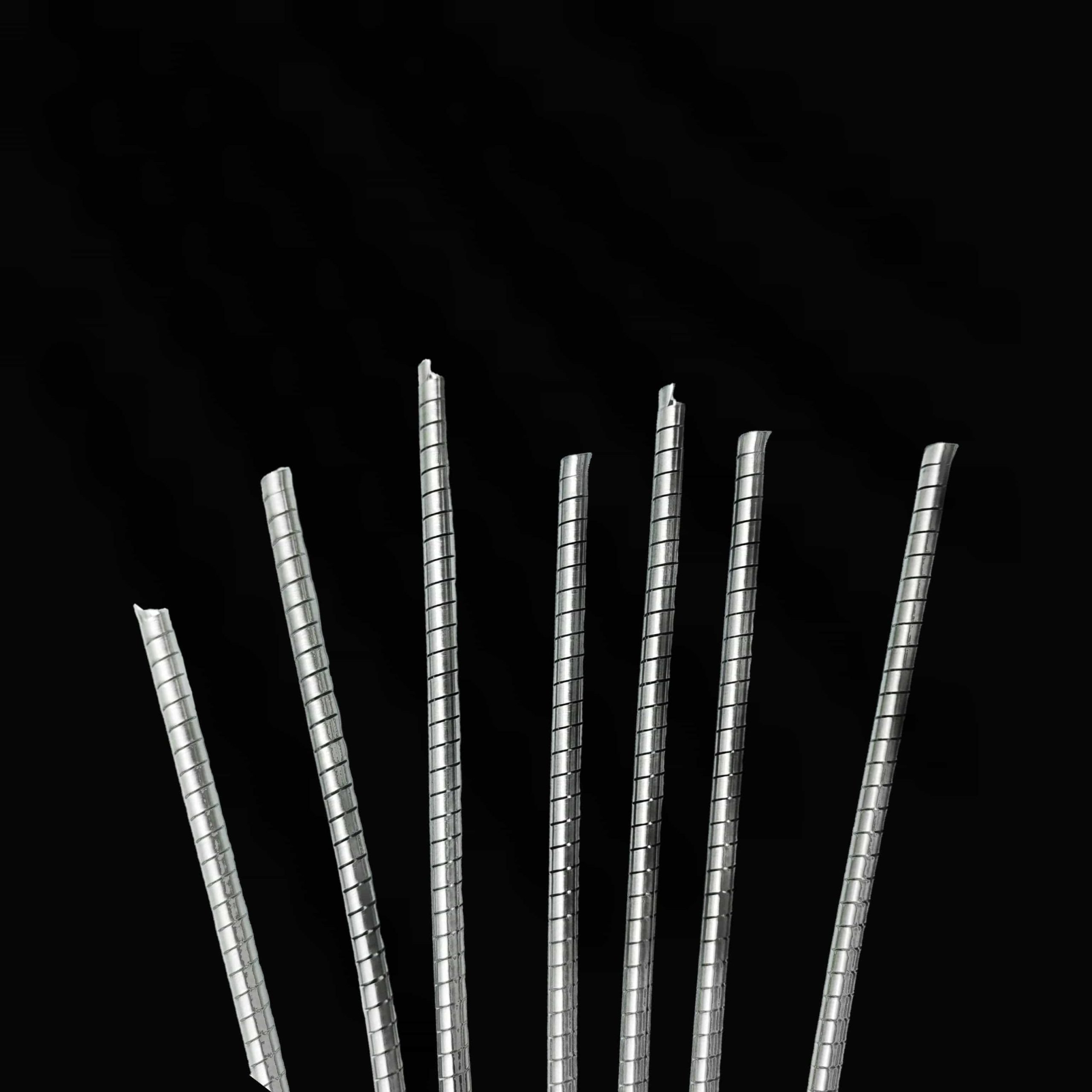
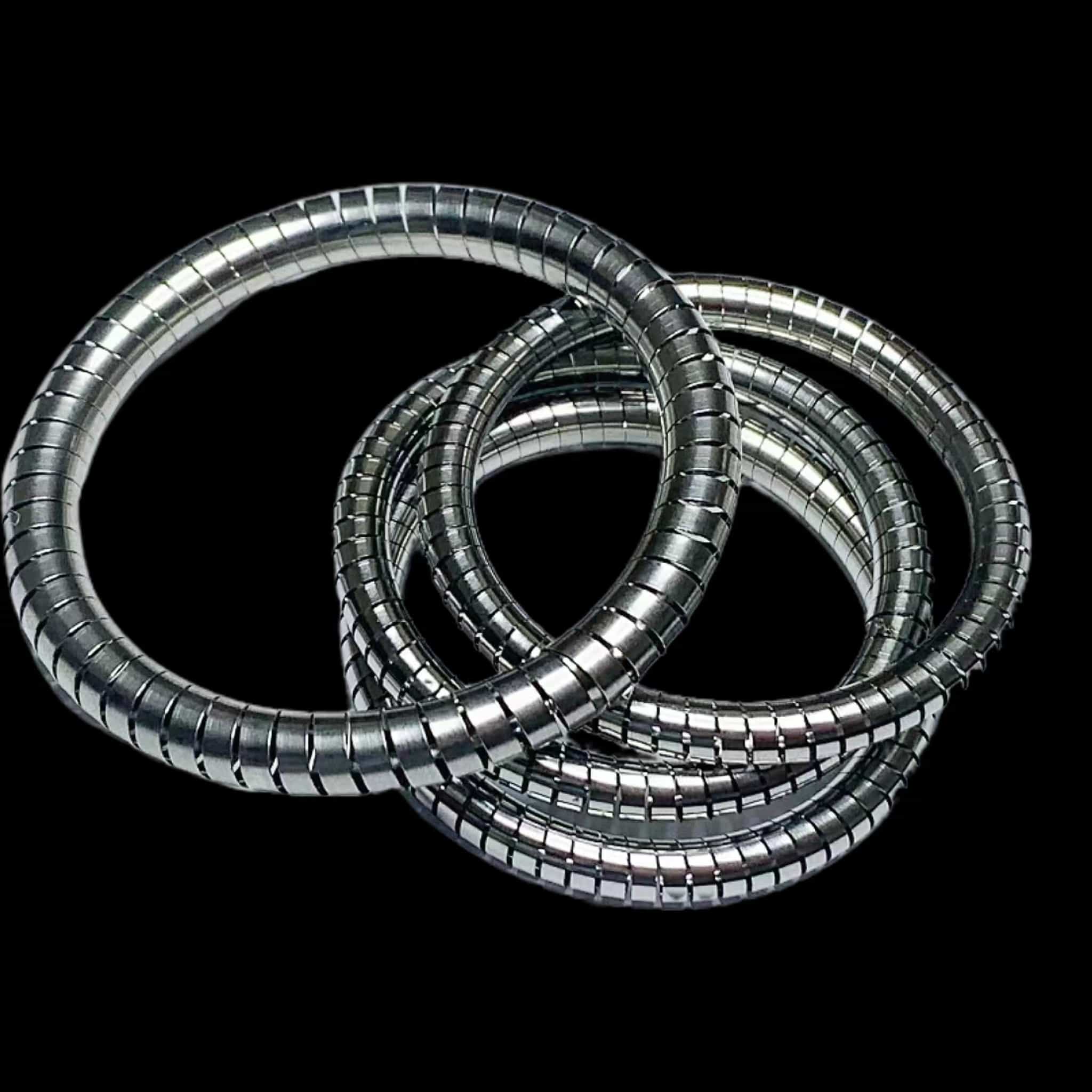
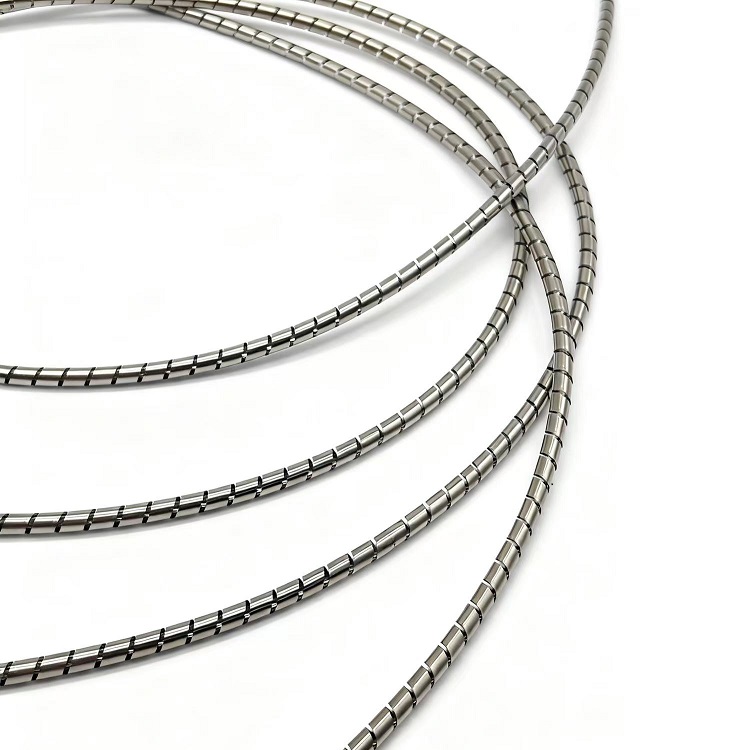
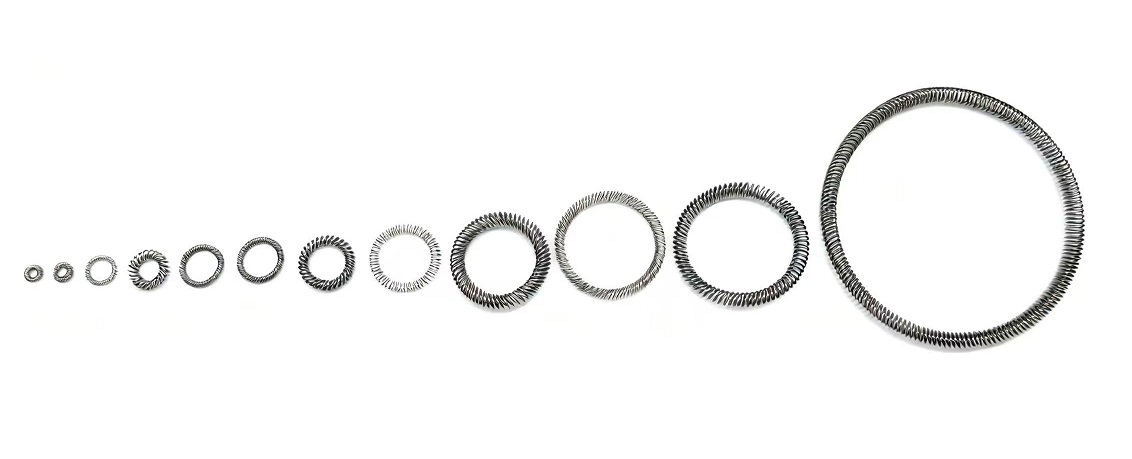
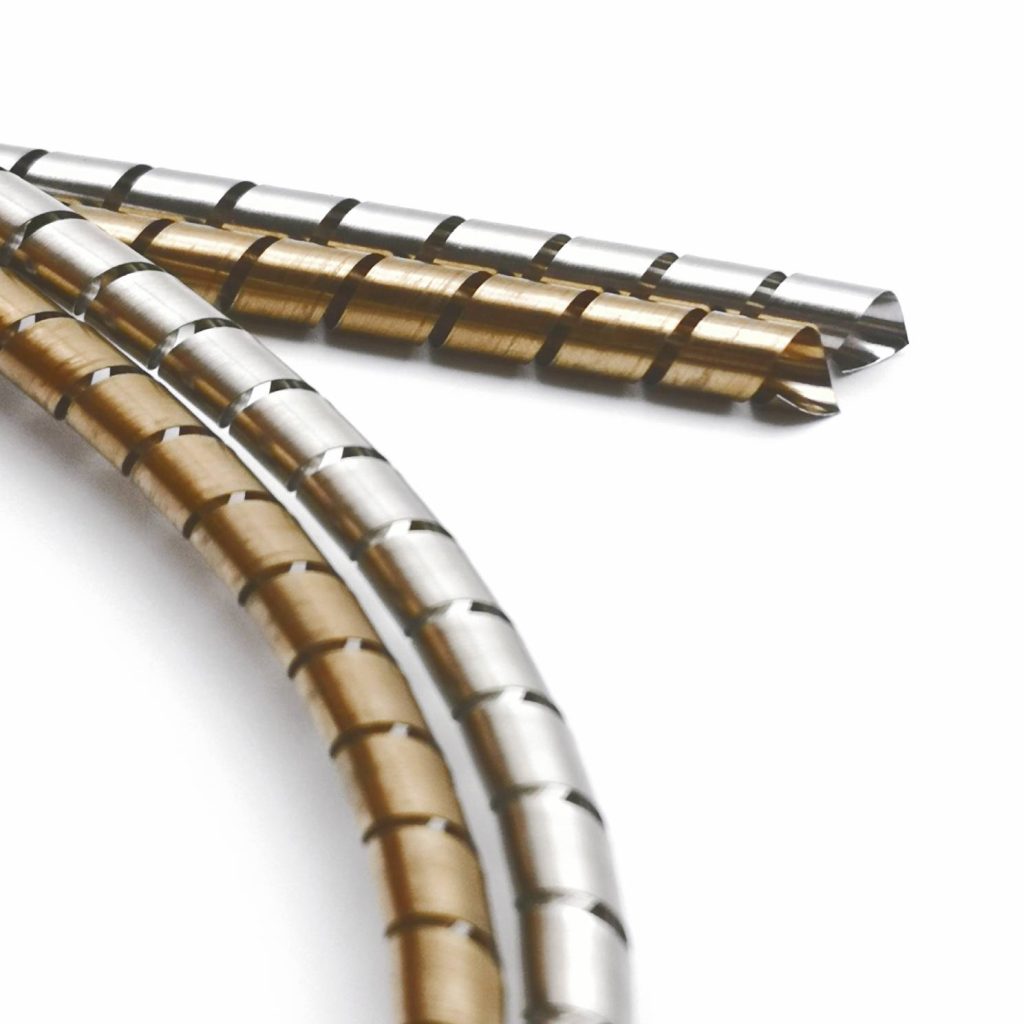
Spiralförmige, gekantete Spulen- oder Fingerstockdichtungen bieten im Vergleich zu elastomeren Alternativen eine höhere Kraftstabilität. Ihr Metall-auf-Metall-Kontakt bietet:
- Minimale Stressentspannung (typischerweise <5% im Laufe des Lebens)
- Stabile Leistung über weite Temperaturbereiche
- Widerstandsfähigkeit gegen Ausgasung und chemische Angriffe
Metallische Dichtungen erfordern jedoch im Allgemeinen höhere Druckkräfte und können höhere Installationskosten verursachen.
2. Elastomer-Dichtungen mit Federkern
Für Anwendungen, die eine Abdichtung gegen Umwelteinflüsse in Kombination mit einer EMI-Abschirmung erfordern, Elastomer-Dichtungen mit innenliegenden Federkernen sorgen für ein Gleichgewicht. Die Feder hält die Kontaktkraft aufrecht, auch wenn sich das Elastomer entspannt.
3. Optimiertes Rillendesign
Unabhängig von der Art der Dichtung sind die richtigen Abmessungen der Rillen entscheidend. Zu den wichtigsten Konstruktionsparametern gehören:
- Tiefe der Rille: Sollte etwas geringer sein als die Höhe der Dichtung (normalerweise 70-85% der Höhe der Dichtung)
- Breite der Rille: Ausreichend, um die Dichtung einzuschließen, ohne eine übermäßige seitliche Kompression zu verursachen
- Oberflächengüte: Glatt genug, um Verschleiß zu vermeiden, aber nicht so glatt, dass die Dichtung nicht greifen kann
4. Auswahl der Kraftklassifikation
Viele Hersteller von EMI-Dichtungen bieten mehrere Kraftklassen an:
| Klasse Kraft | Relative Kraft | Typische Anwendungen |
|---|---|---|
| Geringe Kraft | ~1,5 lb/in | Kunststoffgehäuse, leichte Strukturen |
| Mäßige Kraft | ~10 lb/in | Allgemeine Industriegehäuse, Standardgehäuse |
| Standard Kraft | ~30 lb/in | Hohe Zuverlässigkeit, Militär, Luft- und Raumfahrt |
Die Wahl der richtigen Kraftklasse für die Anwendung ist entscheidend - ist sie zu niedrig, kann die Kontaktstabilität beeinträchtigt werden, ist sie zu hoch, kann es zu Problemen bei der Montage kommen.
Auswirkungen in der realen Welt: Eine Fallstudie
Nehmen wir zwei identische Elektronikgehäuse, die beide mit einer mittelstarken EMI-Dichtung ausgestattet sind, die in Labortests eine Abschirmwirkung von 100 dB erreicht.
Beilage A: Die Nut ist mit der Kompression 25% korrekt ausgelegt. Die Dichtung bleibt während der Wärme- und Vibrationstests innerhalb ihres optimalen Bereichs. Endgültige Wirksamkeit der Abschirmung: 98 dB.
Beilage B: Die Rille ist aufgrund von Bearbeitungstoleranzen 0,010 Zoll tiefer als angegeben. Die anfängliche Kompression beträgt nur 18%, was noch innerhalb des Bereichs liegt. Nach 100 thermischen Zyklen und Vibrationstests entspannt sich die Dichtung jedoch auf eine Kompression von 14% und liegt damit unter dem empfohlenen Minimum. Die Wirksamkeit der Abschirmung sinkt auf 65 dB, was zu einem Konformitätsfehler führt.
Der Unterschied zwischen den beiden lag nicht in der Dichtung selbst, sondern in der Stabilität der Kontaktkraft während der erwarteten Lebensdauer des Produkts.
Auswahl für Kontaktkraftstabilität
Bei der Bewertung von EMI-Abschirmdichtungen für eine neue Konstruktion sind diese Faktoren zu berücksichtigen:
1. Anwendungsumgebung
- Temperatur-Extreme: Wählen Sie Materialien, die für den gesamten Betriebsbereich ausgelegt sind.
- Häufigkeit der thermischen Zyklen: Häufige Zyklen erfordern Materialien mit geringer Relaxation.
- Vibrationsexposition: Ziehen Sie bei Bedarf Dichtungen mit mechanischen Haltevorrichtungen in Betracht.
2. Komprimierungsmanagement
- Spezifizieren Sie die Toleranzkontrolle: Definieren Sie die zulässige Nuttiefe und die Abweichung von der Gegenfläche.
- Betrachtung der Kraft-Durchbiegungs-Kurven: Achten Sie darauf, dass der Arbeitspunkt im flachsten Bereich der Kurve liegt, um maximale Stabilität zu erreichen.
3. Anforderungen an den Lebenszyklus
- Erwartete Nutzungsdauer: Eine längere Lebensdauer erfordert Materialien mit nachgewiesenen Langzeit-Relaxationsdaten.
- Zugang zur Wartung: Wenn die Dichtung wiederholt zusammengedrückt und wieder gelöst wird, sollten Sie Materialien mit ausgezeichnetem Rückstellvermögen wählen.
4. Prüfung und Validierung
- Daten zur Vorratsdatenspeicherung anfordern: Fordern Sie Prüfberichte an, aus denen die Beibehaltung der Druckkraft nach Umwelteinflüssen hervorgeht.
- Durchführen von Lebensdauertests: Wenn möglich, validieren Sie mit repräsentativen Wärme- und Schwingungsprofilen.
Schlussfolgerung
Die Stabilität der Kontaktkraft ist keine zweitrangige Überlegung bei EMI-Abschirmung-Es ist ein wichtigste Determinante der langfristigen Leistung. Eine Dichtung, die in den ersten Tests eine hervorragende Abschirmung erreicht, aber im Laufe der Zeit an Kontaktkraft verliert, wird unweigerlich die empfindliche Elektronik, die sie abschirmen soll, nicht schützen.
Durch das Verständnis der Faktoren, die sich auf die Kraftstabilität auswirken - Materialrelaxation, Temperaturwechsel, Vibrationen und Konstruktionstoleranzen - können Ingenieure fundierte Entscheidungen treffen, die eine zuverlässige elektromagnetische Kompatibilität während der gesamten Lebensdauer des Produkts gewährleisten.
Ob bei der Auswahl von Metallfederdichtungen für kritische Anwendungen in der Luft- und Raumfahrt oder bei der Optimierung von Rillendesigns für die Industrieelektronik, das Prinzip bleibt dasselbe: stabile Kontaktkraft gleich stabile Abschirmung.
Das könnte Ihnen auch gefallen
-
 EMI-Spiralfeder: Der vollständige Leitfaden für konduktive Spiralabschirmungslösungen
RF/EMI-Abschirmung Spiralförmige Dichtung
EMI-Schraubenfeder
Entdecken Sie, wie EMI-Schraubenfedern (Spiralfedern) eine hervorragende Abschirmung gegen elektromagnetische Störungen bieten. Erfahren Sie mehr über ihr Design, ihre Materialien, ihre Dämpfungsleistung von bis zu -80 dB und ihre Anwendungen in der Luft- und Raumfahrt, der Medizin und der Elektronikindustrie. Einführung: Die wachsende Herausforderung der elektromagnetischen Interferenz In unserem......
-
Kundenspezifische O-Ring-Dichtungen: Der ultimative Leitfaden für Materialien, Größen und Herstellung
RF/EMI-Abschirmung Spiralförmige Dichtung
Kundenspezifische O-Ring-Dichtungen
O-Ringe gehören zu den am häufigsten verwendeten Dichtungselementen in Hydraulik-, Pneumatik-, Automobil-, Luft- und Raumfahrts- sowie Industriesystemen weltweit. Trotz ihres einfachen, donutförmigen Aussehens spielen diese Komponenten eine entscheidende Rolle bei der Verhinderung von Flüssigkeits- und Gasleckagen unter verschiedenen Betriebsbedingungen. Für......
-
Was ist ein Quick Shield aus Edelstahl? Eigenschaften, Vorteile und Anwendungen von HANDA Quick Shield
RF/EMI-Abschirmung Spiralförmige Dichtung
Handa Schnelles Schutzschild
Erfahren Sie, was ein Quick Shield aus Edelstahl ist, wie es funktioniert und warum HANDA Quick Shield eine zuverlässige EMI-Abschirmung für Elektronik-, Luft- und Raumfahrt- sowie Industrieanwendungen bietet. Entdecken Sie die Merkmale, Vorteile und die wichtigsten Designüberlegungen. Elektronische Geräte werden immer kleiner, schneller, ......
-
EMI-Abschirmungsdichtung Muster anfordern | Testen, bevor Sie spezifizieren
RF/EMI-Abschirmung Spiralförmige Dichtung
Handa Spiralförmige Abschirmung
EMI Shielding Gasket Sample Request | Test Before You Specify Meta Description Senden Sie eine EMI Shielding Gasket Sample Request, um Materialleistung, Passform und Abschirmungseffektivität vor der endgültigen Spezifikation in kritischen Anwendungen zu bewerten. EMI-Abschirmung Dichtungsmuster anfordern: Eine praktische......
-
Kundenspezifisch gebogene Spiralfeder: Designüberlegungen und Herstellungsverfahren
Fingerabdrücke
Rechtwinklige Abschirmung Fingerstrip
Kundenspezifische Schraubenfedern bieten maßgeschneiderte Kraft, Einfederung und Haltbarkeit für anspruchsvolle Anwendungen. Erfahren Sie mehr über die wichtigsten Konstruktionsüberlegungen, Werkstoffe, Herstellungsverfahren und Qualitätskontrollen für kundenspezifische Schraubenfederlösungen. Einführung In den heutigen mechanischen und elektrischen Hochleistungssystemen werden oft Standardkomponenten......