Produkte > Kantige Spiralfedern
Elektrische Kontaktfedern (elektrisch leitende Federn) | Lösungen mit niedrigem Widerstand für kantige Spulen
Stabile Leitfähigkeit, zuverlässige Erdung und kompakte Federleistung für anspruchsvolle elektrische Systeme.
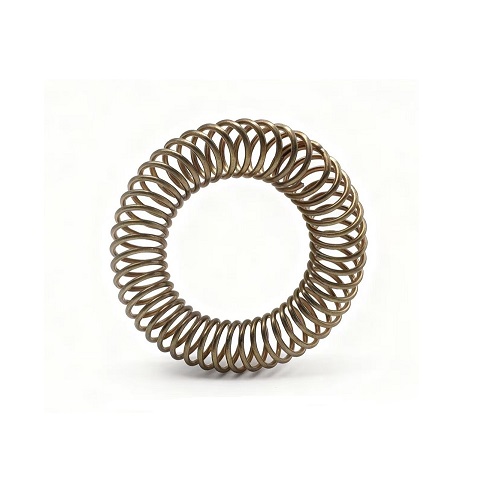
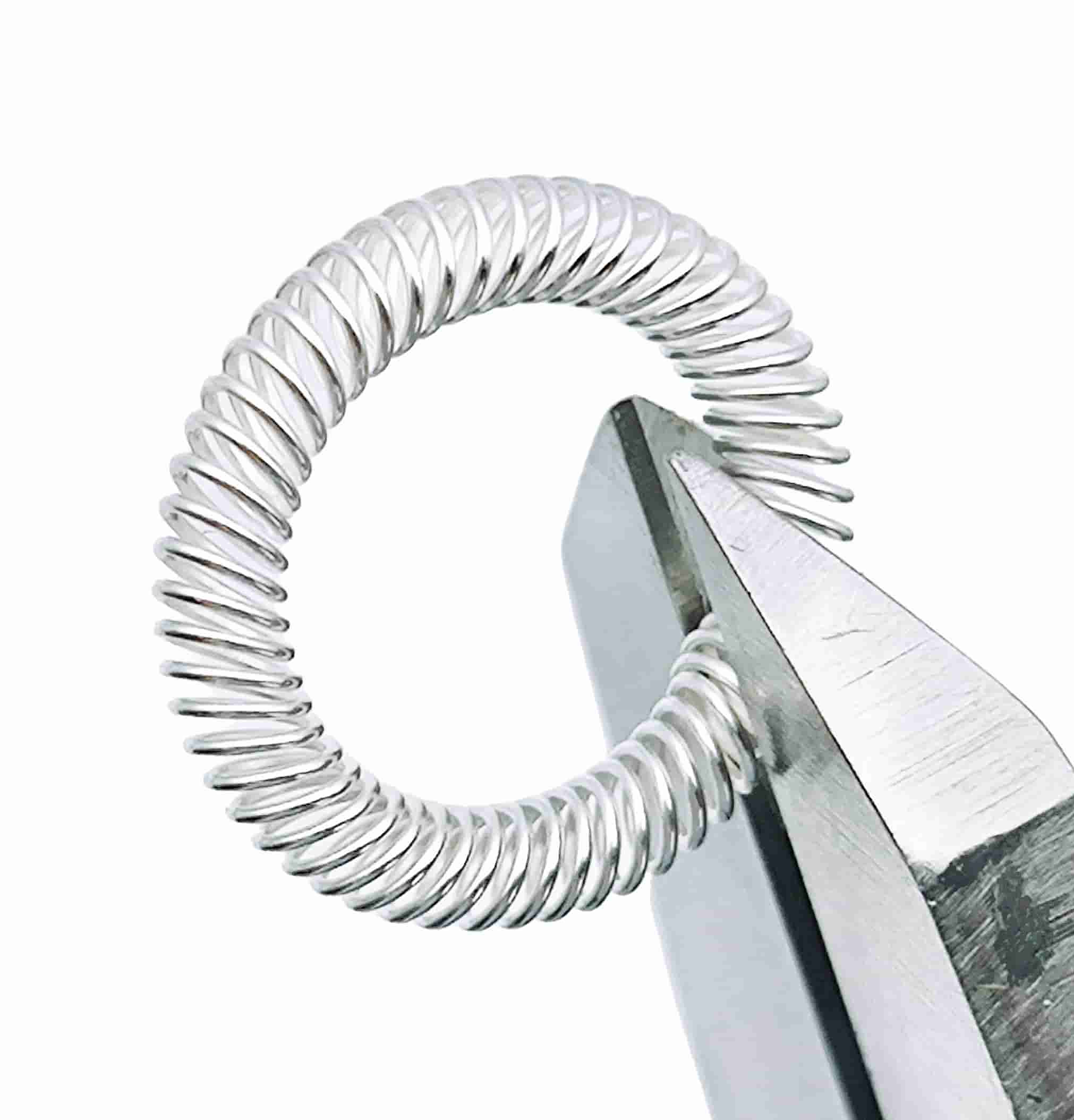
Elektrisch leitende Federn, die auch als elektrische Kontaktfedern bezeichnet werden, nutzen eine gekippte Spulengeometrie, um mehrere Kontaktpunkte, eine nahezu konstante Kraft und eine stabile elektrische Leistung in Anwendungen zu bieten, in denen Stöße, Vibrationen, Ausrichtungsfehler und thermische Schwankungen eine Herausforderung für herkömmliche Kontaktelemente darstellen können.
Wenn Ihr Design mehr Leistung auf kleinerem Raum übertragen und gleichzeitig die Kontaktsicherheit und die Betriebstemperaturen unter Kontrolle halten muss, ist die Canted Coil Spring-Technologie eine bewährte Lösung für elektrische Hochleistungsschnittstellen.
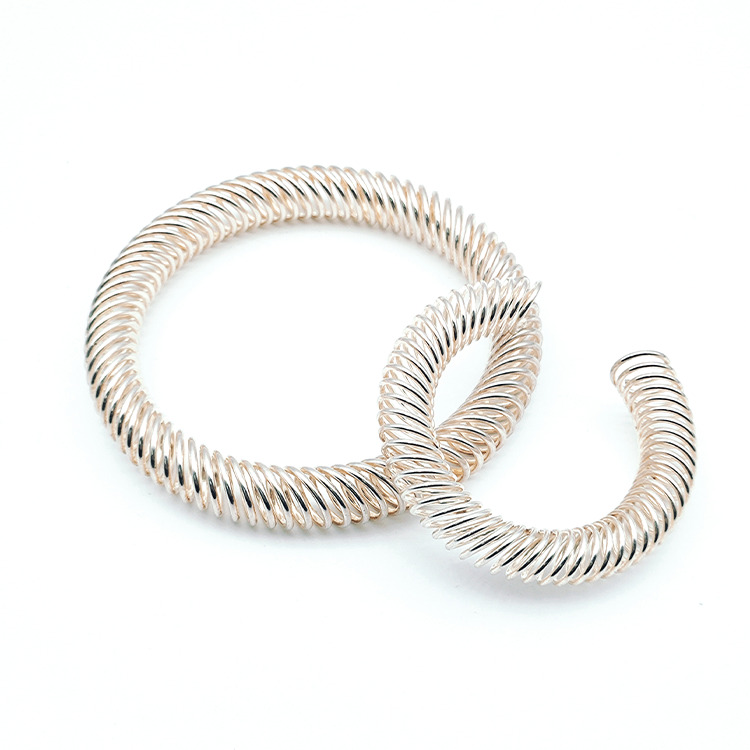
Teil unseres Lösungen für kantige Spiralfedern Familie, einschließlich:
Elektrisch leitende Federn EMI-AbschirmungsfedernMechanische Rückhaltefedern
So funktionieren elektrisch leitende Federn
Die abgewinkelte Spulengeometrie ermöglicht es jeder Spule, als unabhängiger Kontaktpunkt zu fungieren. Dadurch verfügt die Feder über mehrere leitende Pfade gleichzeitig, was zu einer konsistenten Stromübertragung und einer zuverlässigen Erdung beiträgt, selbst wenn sich zusammengehörige Teile bewegen, vibrieren oder kleine Ausrichtungsunterschiede aufweisen.
Dies ist einer der Gründe, warum geneigte Spiralfedern oft bevorzugt werden, wenn eine Konstruktion kompakte Abmessungen erfordert, ohne dass die elektrische Zuverlässigkeit darunter leidet.
Warum Ingenieure geneigte Spiralfedern für elektrische Anwendungen verwenden
- Mehrere Kontaktpunkte sorgen für eine stabile Leitfähigkeit.
- Die nahezu konstante Kraft unterstützt einen zuverlässigen Kontakt über den gesamten Arbeitsbereich.
- Die Leistung bleibt auch bei Stößen und Vibrationen konstant.
- Die kompakte Geometrie hilft, Platz in der Baugruppe zu sparen.
- Sie können für hohen, mittleren oder niedrigen Strombedarf ausgelegt werden.
- Sie tragen dazu bei, die durch Oberflächenunregelmäßigkeiten verursachten Widerstandsschwankungen zu verringern.
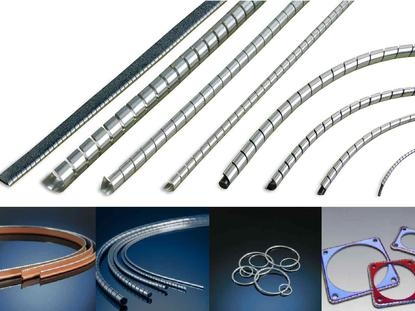
Neben elektrischen Anwendungen werden Schraubenfedern auch häufig eingesetzt für EMI-Abschirmung und mechanische Halte- und Verbindungssysteme.
Multi-Point-Kontakt für stabile Leitfähigkeit
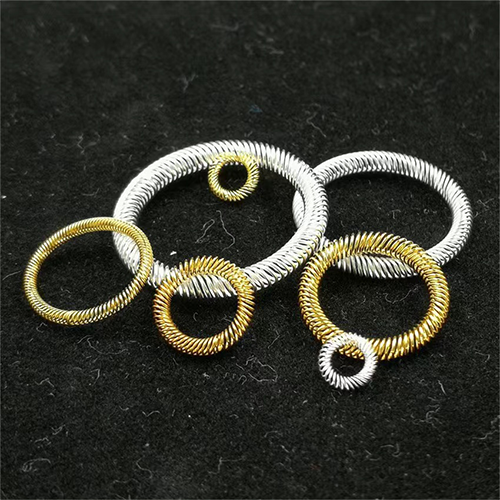
Im Gegensatz zu Ein-Punkt-Kontaktkonzepten schaffen geneigte Spiralfedern mehrere gleichzeitige Kontaktpunkte. Das verbessert die Redundanz an der Schnittstelle und trägt dazu bei, dass der elektrische Pfad im Laufe der Zeit stabiler bleibt.
Für elektrische Schnittstellen bedeutet dies eine bessere Stromübertragung, eine geringere Empfindlichkeit gegenüber Schwankungen auf der Oberfläche des Gegenstücks und eine zuverlässigere Verbindung unter dynamischen Bedingungen.
- Mehrere unabhängige Kontaktstellen
- Redundante leitende Pfade
Nahezu konstante Kraft über den gesamten Arbeitsbereich
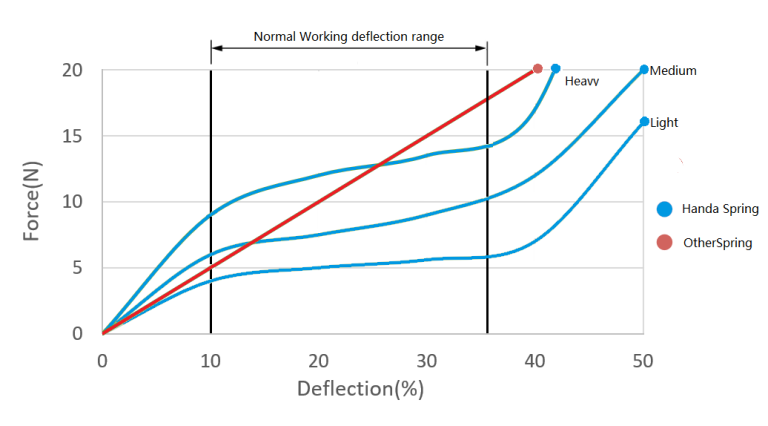
Ein großer Vorteil der Schrägspulentechnologie ist die nahezu konstante Kraft über einen großen Auslenkungsbereich. Dies trägt dazu bei, die elektrische Schnittstelle stabil zu halten, selbst wenn die Toleranzen variieren, die Baugruppe Temperaturschwankungen ausgesetzt ist oder die Anschlussfläche nicht perfekt gleichmäßig ist.
In der Praxis bedeutet dies, dass die Konstrukteure ein Federelement erhalten, das auf das Einsteck- und Ausziehverhalten abgestimmt werden kann, ohne dass die langfristige Kontaktsicherheit beeinträchtigt wird.
Kundenspezifische Fertigung
Elektrische Designvariablen, die wir entwickeln können
Die elektrische Leistung kann durch Anpassung der Federgeometrie und der Fertigungsvariablen angepasst werden. Diese Entscheidungen bestimmen, wie sich die Feder in der Baugruppe verhält und wie sie sich im Laufe der Zeit verhält.
- Material Draht
- Drahtdurchmesser
- Höhe der Spule
- Federkraft
- Dicke der Beschichtung
- Ausrichtung der Spule
Montage- und Konfigurationsoptionen
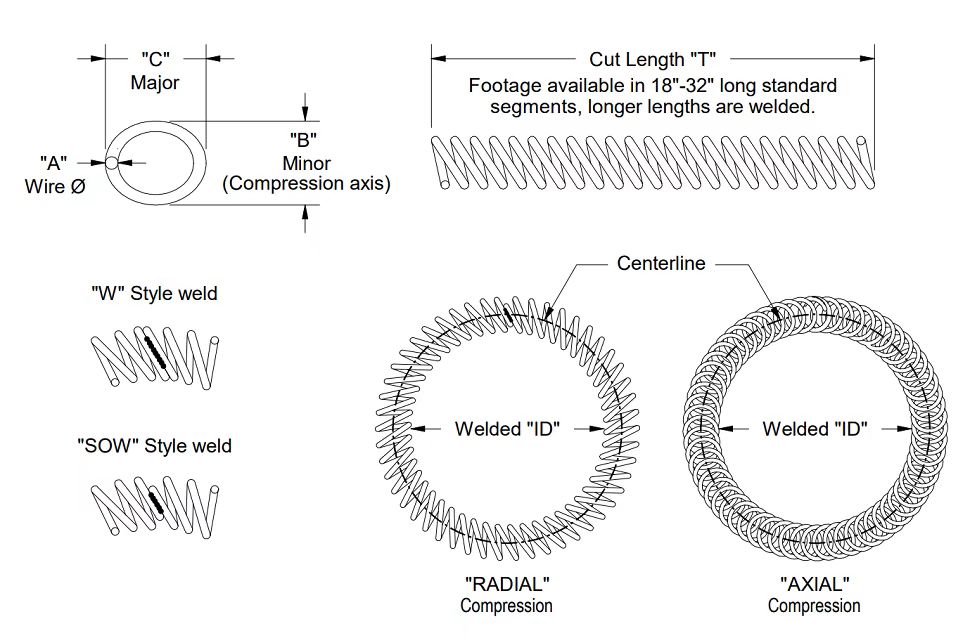
Elektrisch leitende Federn werden üblicherweise in gehäusemontierten oder kolbenmontierten Konfigurationen verwendet. Die Nuten können abgerundet, flach oder mit V-Boden ausgeführt werden, je nach Geometrie der zueinander passenden Komponenten und der benötigten Kraftrichtung.
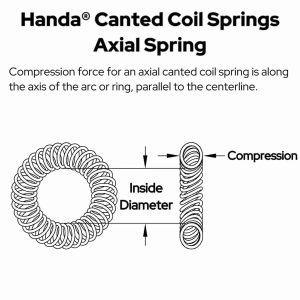
Sie können auch für eine radiale oder axiale Einfederung ausgelegt werden, so dass die Federkraft auf die tatsächliche Bewegung Ihrer Baugruppe abgestimmt ist.
- Gehäusemontierte Ausführungen
- Kolbenmontierte Ausführungen
- Radiale Ausrichtung
- Axiale Ausrichtung
- Abgerundete, flache oder V-Boden-Rillen
Materialien und Beschichtungsoptionen
Die Wahl des Materials hat einen direkten Einfluss auf die elektrische Leistung, die Haltbarkeit, die Korrosionsbeständigkeit und die Betriebstemperatur. Für anspruchsvolle elektrische Anwendungen werden in der Regel leitfähige Kupferlegierungen und rostfreie Stähle verwendet, und zur Verbesserung der Leitfähigkeit oder des Verschleißverhaltens können Beschichtungen hinzugefügt werden.
Zu den Drahtmaterialien gehören:
- ROSTFREIER STAHL (302, 316, 316L)
- Beryllium-Kupfer
- Zirkonium-Kupfer
- Andere leitfähige Hochleistungslegierungen auf Anfrage
Die Beschichtungsoptionen umfassen:
- Gold
- Silber
- Nickel
- Zinn
Wie man die richtige Spiralfeder auswählt
Viele Projekte scheitern nicht, weil das Konzept falsch ist. Sie scheitern, weil die Feder nicht auf den aktuellen Weg, den Kraftbedarf, die Nutgeometrie oder die Serviceumgebung abgestimmt ist. Wir helfen unseren Kunden, diese Variablen schnell einzugrenzen.
- Brauchen Sie Hilfe bei der Auswahl des richtigen Drahtmaterials?
- Benötigen Sie ein Kontaktdesign für einen engen Bauraum?
- Benötigen Sie eine stabile Leitfähigkeit bei Vibrationen oder Temperaturschwankungen?
- Benötigen Sie eine individuelle Kraft- oder Montageempfehlung?
- Sie benötigen einen Prototyp vor der Produktion?
Sprechen Sie mit einem Ingenieur Zeichnung hochladenMuster anfordern
Technische Unterstützung anfordern
Schicken Sie uns Ihre Anwendungsdetails und wir helfen Ihnen, die beste elektrisch leitende Federlösung für Ihre Konstruktion zu finden.
- Art der Anwendung
- Zielstrom oder Leitfähigkeitsanforderung
- Zeichnung des Gegenstücks oder Rillengröße
- Bevorzugtes Material und Beschichtung
- Betriebstemperatur, Vibration oder Korrosionsumgebung
Wenn Sie bereits eine Zeichnung haben, schicken Sie uns diese für eine schnelle technische Überprüfung zu. Wenn nicht, teilen Sie uns mit, welches Problem Sie zu lösen versuchen, und wir helfen Ihnen, die Feder zu definieren.
FAQ
Wozu werden elektrisch leitende Federn verwendet?
Sie werden verwendet, um einen zuverlässigen elektrischen Pfad in kompakten Baugruppen zu schaffen, wenn eine stabile Leitfähigkeit, Erdung oder Stromübertragung erforderlich ist.
Warum sollte man schräge Spiralfedern anstelle einer Standard-Kontaktfeder verwenden?
Abgewinkelte Spiralfedern bieten mehrere Kontaktpunkte und eine nahezu konstante Kraft, was dazu beiträgt, die zuverlässige elektrische Leistung aufrechtzuerhalten, wenn die Baugruppe Vibrationen, Stößen oder Toleranzschwankungen ausgesetzt ist.
Können elektrisch leitende Federn individuell angepasst werden?
Ja. Das Drahtmaterial, der Drahtdurchmesser, die Spulenhöhe, die Kraft, die Beschichtung und die Montagekonfiguration können an die jeweilige Anwendung angepasst werden.
Welche Informationen sollte ich für ein Angebot übermitteln?
Eine Zeichnung, die Zielanwendung, das bevorzugte Material, die bevorzugte Beschichtung und etwaige Umgebungsanforderungen wie Temperatur, Vibration oder Korrosionsbelastung sind die besten Ausgangspunkte.
Unterstützen Sie die Entwurfsprüfung vor der Produktion?
Ja. Wir können Ihre Zeichnung prüfen und Ihnen helfen, die richtige Federgeometrie und -konfiguration vor der Bemusterung oder Produktion zu empfehlen.
Erkunden Sie andere Lösungen für kantige Spiralfedern
-
Elektrische Leitfähigkeit
- Geringer Übergangswiderstand (< 10 mΩ)
- Mehrpunktkontakt gewährleistet stabile Stromübertragung
- Ideal für Steckverbinder, Batteriekontakte und Erdungssysteme
-
Mechanische Rückhaltung und Verbindung
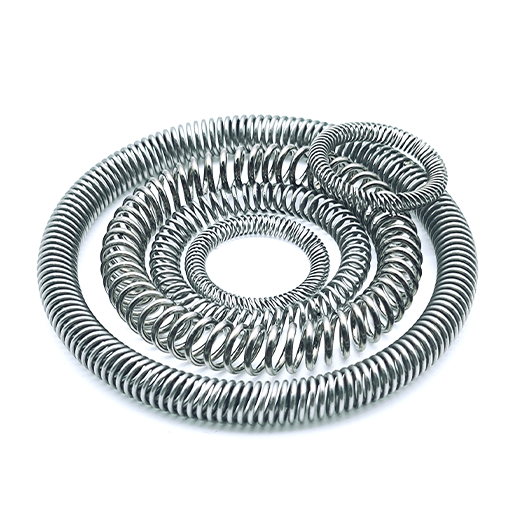
- Kontrollierte Einführungs- und Haltekräfte
- Hervorragende elastische Rückstellung für wiederholte Zyklen
- Geeignet für Verriegelungs-, Verklinkungs- und Verbindungsanwendungen
-
EMI/RFI-Abschirmung
- Kontinuierlicher leitfähiger Pfad für effektive EMI-Unterdrückung
- Erhält die Integrität der Erdung über Schnittstellen hinweg aufrecht
- Zuverlässige Leistung unter Vibrationen und dynamischen Bedingungen