Products > コイルスプリング

Electrical Contact Springs (Electrical Conducting Springs) | Low Resistance Canted Coil Solutions

Stable conductivity, reliable grounding, and compact spring performance for demanding electrical systems.

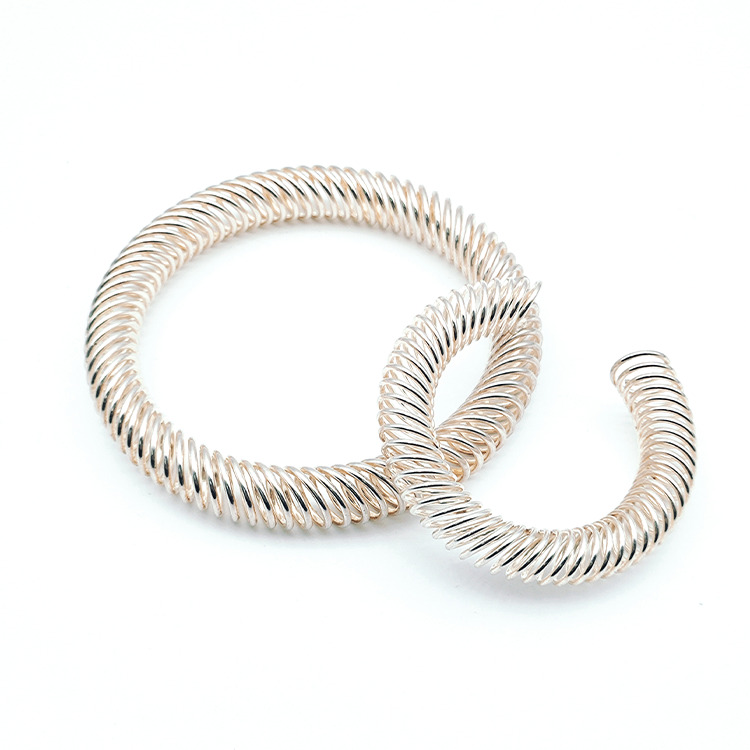
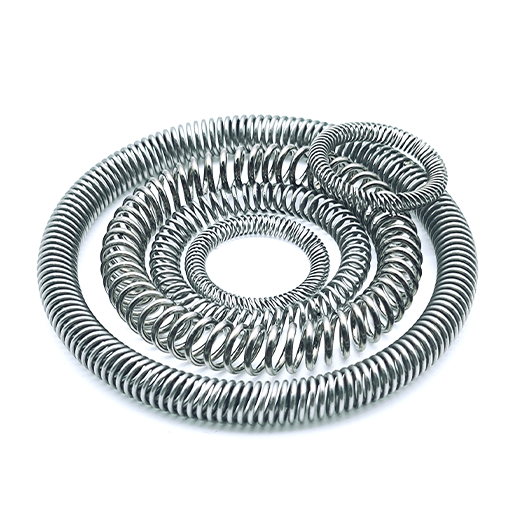
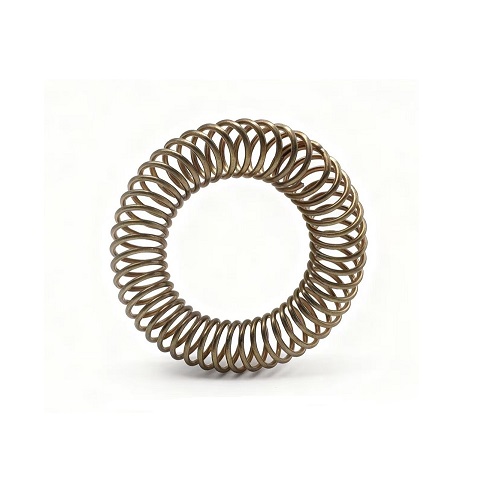
Electrical conducting springs, also known as electrical contact springs, use canted coil geometry to deliver multiple contact points, near-constant force, and stable electrical performance in applications where shock, vibration, misalignment, and thermal variation can challenge conventional contact elements.

If your design needs to move more power in less space while keeping contact reliable and running temperatures under control, canted coil spring technology is a proven solution for high-performance electrical interfaces.

Electrical Contact Springs (Electrical Conducting Springs) | Low Resistance Canted Coil Solutions

How Electrical Conducting Springs Work

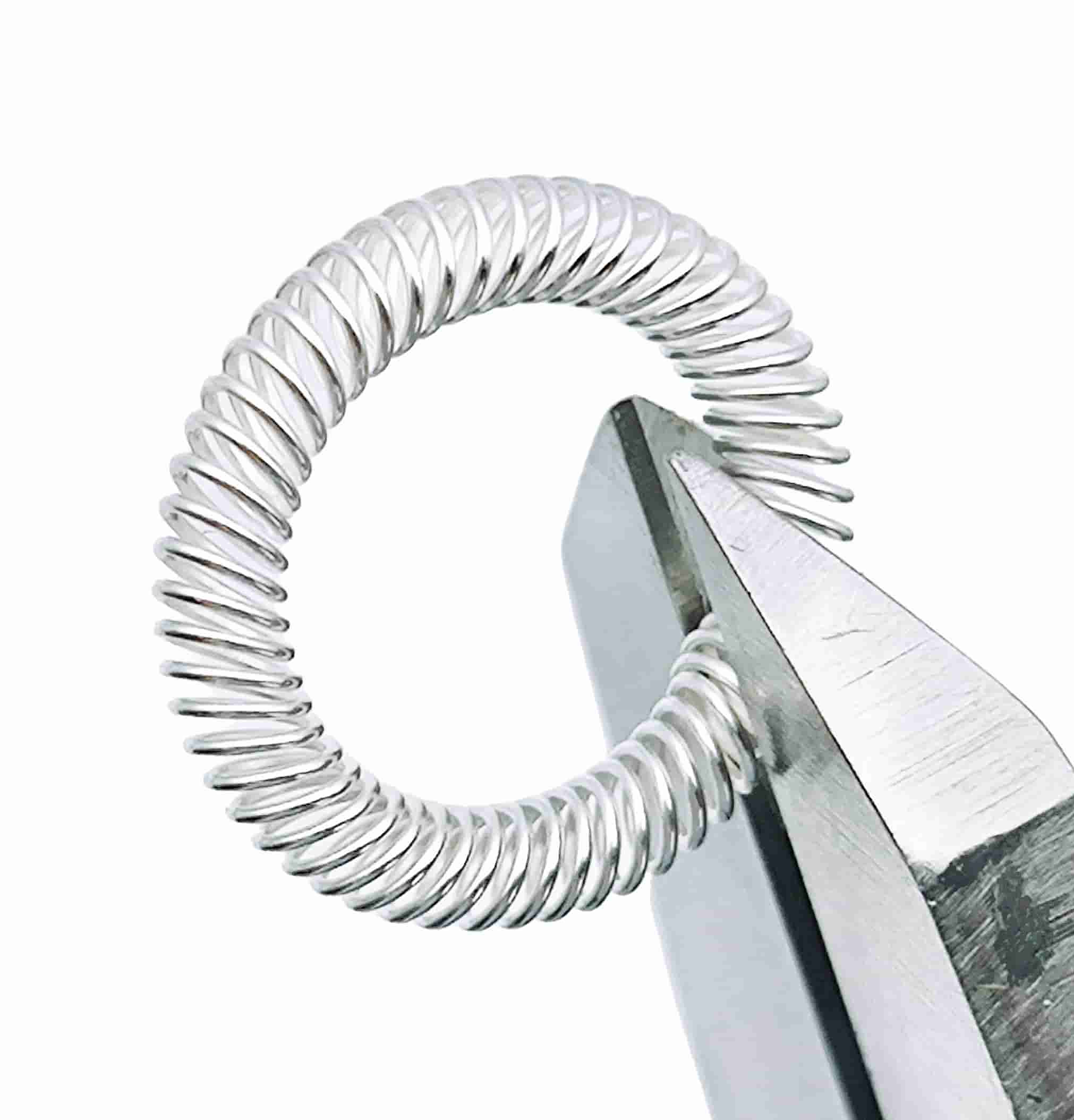
The angled coil geometry allows each coil to act as an independent contact point. That gives the spring multiple conductive paths at the same time, helping maintain consistent current transfer and dependable grounding even when mating parts move, vibrate, or carry small alignment differences.

This is one reason canted coil springs are often preferred when a design needs compact packaging without sacrificing electrical reliability.

Why Engineers Use Canted Coil Springs for Electrical Applications

  • Multiple contact points help keep conductivity stable.
  • Near-constant force supports reliable contact across the working range.
  • Performance stays consistent even under shock and vibration.
  • The compact geometry helps save space inside the assembly.
  • They can be engineered for high, medium, or low current needs.
  • They help reduce resistance fluctuation caused by surface irregularities.

In addition to electrical applications, canted coil springs are also widely used for EMIシールド そして mechanical retention and connector systems.

導電バネ 製造

Multi-Point Contact for Stable Conductivity

Unlike single-point contact concepts, canted coil springs create multiple simultaneous contact points. That improves redundancy at the interface and helps maintain a more stable electrical path over time.

For electrical interfaces, that means better current transfer, less sensitivity to mating-surface variation, and a more reliable connection in dynamic conditions.

  • Multiple Independent Contact Points
  • Redundant Conductive Paths

Near-Constant Force Across the Working Range

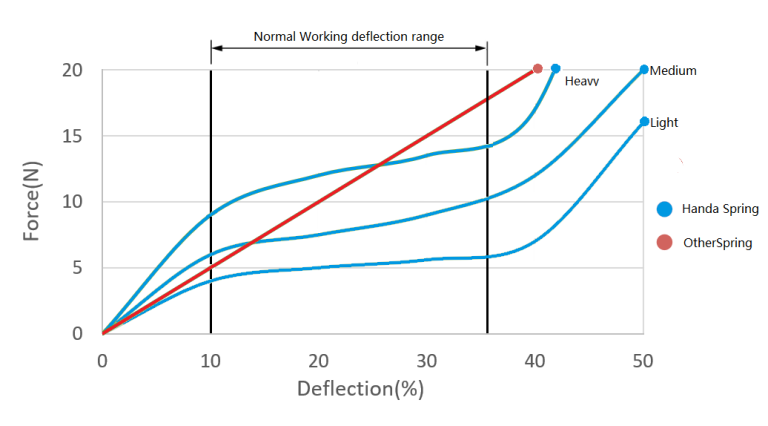
A major advantage of canted coil technology is its near-constant force over a wide deflection range. That helps keep the electrical interface stable, even when tolerances vary, the assembly is exposed to temperature changes, or the mating surface is not perfectly uniform.

In practical terms, this gives designers a spring element that can be tuned for insertion and extraction behavior while still maintaining long-term contact reliability.

Canted coil spring force versus deflection curve showing near-constant force behavior


カスタム製造

Electrical Design Variables We Can Engineer

Electrical performance can be tailored by adjusting the spring geometry and manufacturing variables. Those choices determine how the spring behaves in the assembly and how it performs over time.

  • Wire material
  • ワイヤー径
  • Coil height
  • Spring force
  • Plating thickness
  • Coil orientation

カスタム見積もり

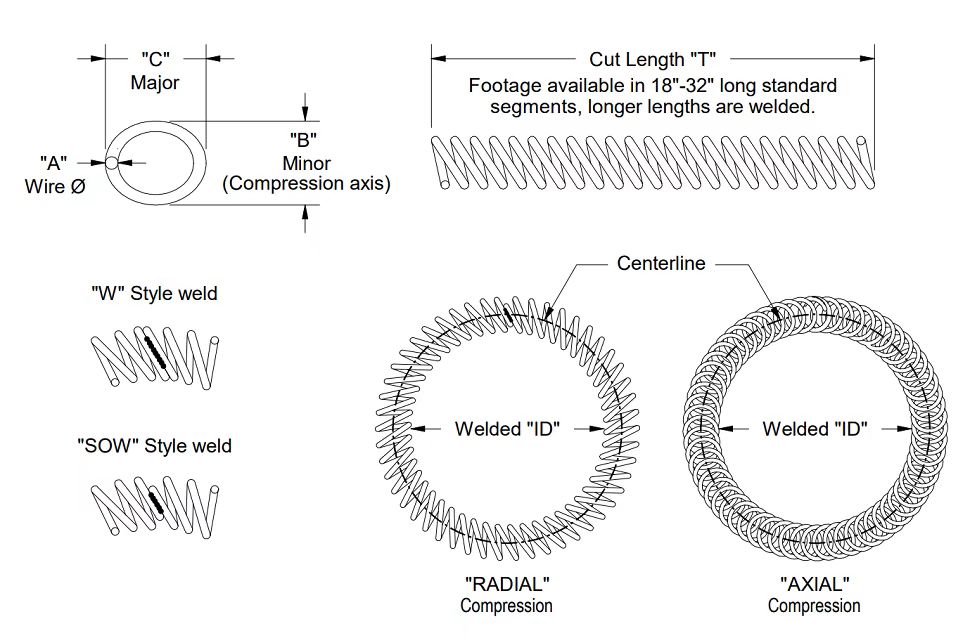
Electrical conducting spring design parameters including wire diameter coil height and force

Mounting & Configuration Options

Electrical conducting springs are commonly used in housing-mounted or piston-mounted configurations. Groove design can be rounded, flat, or V-bottom depending on the geometry of the mating components and the force direction you need.

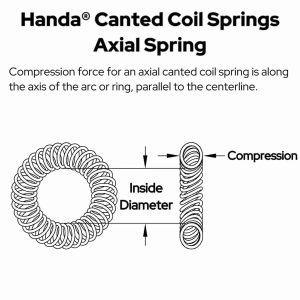
They can also be designed for radial or axial deflection, so the spring force is aligned with the way your assembly actually moves.

  • Housing-mounted designs
  • Piston-mounted designs
  • Radial orientation
  • Axial orientation
  • Rounded, flat, or V-bottom grooves

Handa カンテッドコイルスプリング 方向-軸ばね

Materials & Plating Options

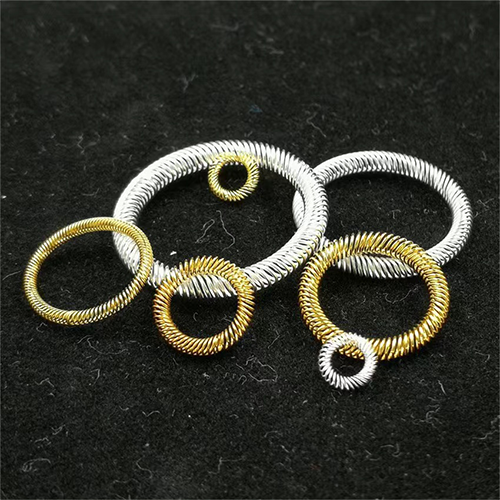
Material choice has a direct impact on electrical performance, durability, corrosion resistance, and service temperature. For demanding electrical applications, conductive copper alloys and stainless steels are commonly used, and plated finishes can be added to improve conductivity or wear behavior.

Wire materials include:

  • STAINLESS STEEL (302, 316, 316L)
  • ベリリウム銅
  • Zirconium-Copper
  • Other high-performance conductive alloys on request

Plating Options Include:

  • ゴールド
  • シルバー
  • ニッケル

How to Select the Right Canted Coil Spring

Many projects do not fail because the concept is wrong. They fail because the spring is not matched to the current path, force requirement, groove geometry, or service environment. We help customers narrow those variables quickly.

  • Need help choosing the right wire material?
  • Need a contact design for a tight package space?
  • Need stable conductivity under vibration or thermal cycling?
  • Need a custom force or mounting recommendation?
  • Need a prototype before production?

Talk to an Engineer Upload DrawingRequest Samples

Request Engineering Support

Send us your application details and we will help you evaluate the best electrical conducting spring solution for your design.

  • Application type
  • Target current or conductivity requirement
  • Mating part drawing or groove size
  • Preferred material and plating
  • Service temperature, vibration, or corrosion environment

If you already have a drawing, send it to us for a quick engineering review. If not, tell us what problem you are trying to solve, and we will help you define the spring.


よくあるご質問

What are electrical conducting springs used for?

They are used to create a reliable electrical path in compact assemblies where stable conductivity, grounding, or current transfer is required.

Why use canted coil springs instead of a standard contact spring?

Canted coil springs provide multiple contact points and near-constant force, which helps maintain reliable electrical performance when the assembly is exposed to vibration, shock, or tolerance variation.

Can electrical conducting springs be customized?

Yes. The wire material, wire diameter, coil height, force, plating, and mounting configuration can all be adjusted for the application.

What information should I send for a quote?

A drawing, target application, material preference, plating preference, and any environmental requirements such as temperature, vibration, or corrosion exposure are the most helpful starting points.

Do you support design review before production?

Yes. We can review your drawing and help recommend the right spring geometry and configuration before sampling or production.

Explore Other Canted Coil Spring Solutions

  • Mechanical Retention & Connection | Canted coil spring | Handa Shielding

    電気伝導率

    • Low contact resistance (< 10 mΩ)
    • Multi-point contact ensures stable current transfer
    • Ideal for connectors, battery contacts, and grounding systems
  • Mechanical Retention & Connection | Canted coil spring | Handa Shielding

    Mechanical Retention & Connection

    • Controlled insertion and retention forces
    • Excellent elastic recovery for repeated cycles
    • Suitable for locking, latching, and connector applications
  • EMI/RFI Shielding | Canted coil spring | Handa Shielding

    EMI/RFIシールド

    • Continuous conductive path for effective EMI suppression
    • Maintains grounding integrity across interfaces
    • Performs reliably under vibration and dynamic conditions