Products > Canted Coil Springs
Mechanical Retention Springs | Canted Coil Retaining & Connector Solutions
Secure retention, reliable connection, and controlled insertion force for precision assemblies.
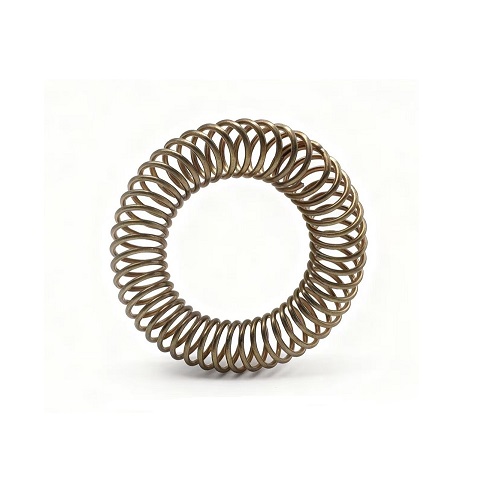
Mechanical retention springs based on canted coil technology provide reliable holding force, controlled insertion and extraction forces, and secure component retention in dynamic and high-vibration environments.
These springs are widely used where components must be securely held in place while still allowing assembly, disassembly, or movement when required.
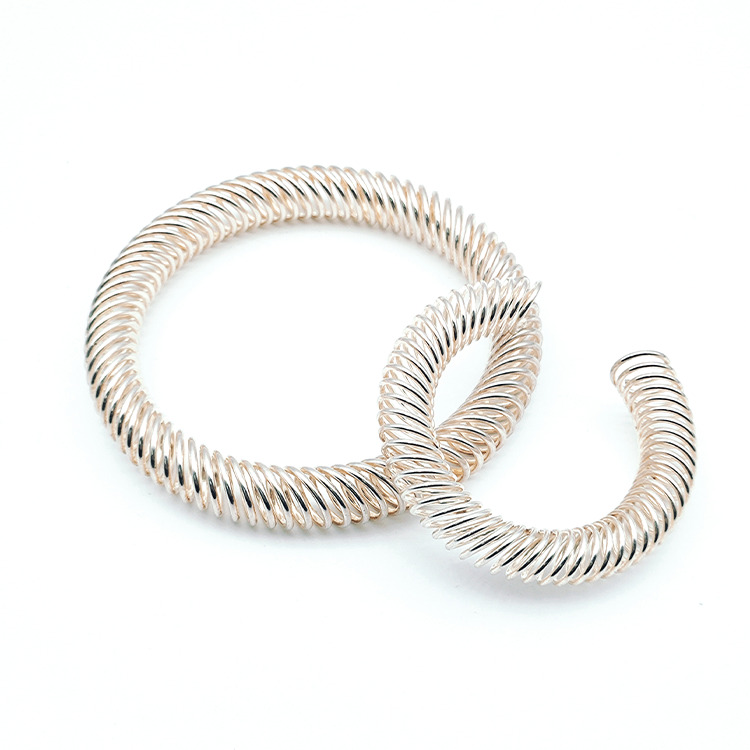
How Retention Springs Work
Canted coil retention springs generate radial or axial force that locks components into position. The spring deflects during installation and provides a consistent retaining force once assembled.
Key Benefits of Retention Springs
- Secure mechanical retention
- Controlled insertion and extraction force
- Reliable performance under vibration and shock
- Compact design for space-limited assemblies
- Long service life with repeatable performance
Canted coil springs can also be used for electrical conductivity and EMI shielding applications.
Controlled Insertion & Extraction Force
Retention springs can be engineered to provide specific insertion and removal forces, enabling smooth assembly while maintaining strong retention.
- Reduced assembly effort
- Predictable removal force
- Improved product reliability
Secure Locking in Dynamic Environments
Designed for high-vibration environments, retention springs maintain holding force and prevent loosening over time.
Latching
Secure the two equipment components together, while facilitating multiple disassembly and replacement

Locking
Two device parts are permanently put together and cannot be removed without damaging the parts or springs

Holding
By using controlled spring forces to hold and align device components and facilitate sliding function
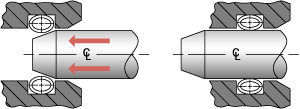
Locking & Quick-Release
Lock the components of the device together with the option to advance and bypass the lock for easy, low-force release

Custom Manufacturing
Design Flexibility
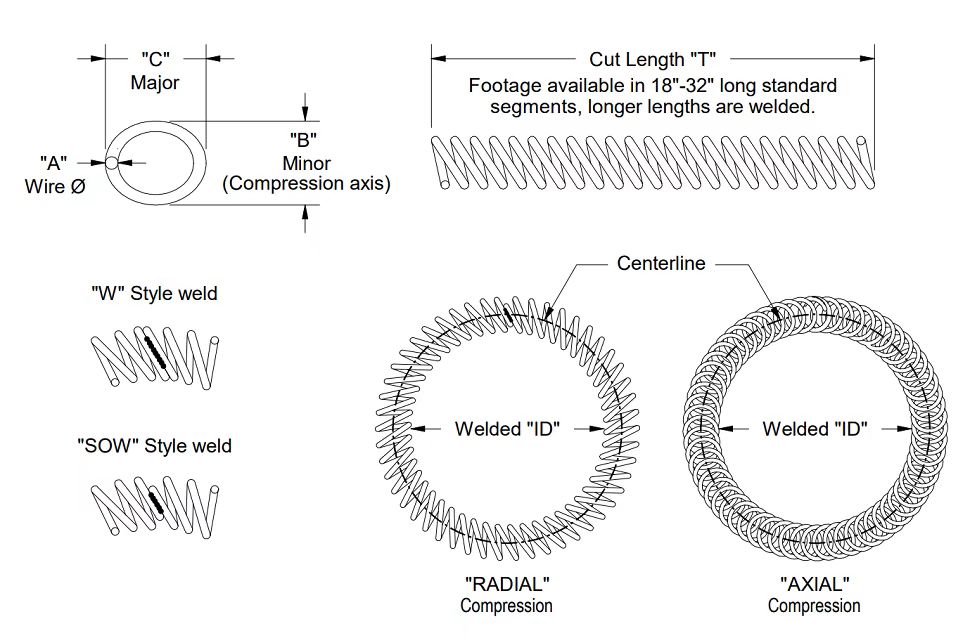
Retention performance can be tailored through:
- Spring force selection
- Wire diameter and coil geometry
- Groove design
- Material selection
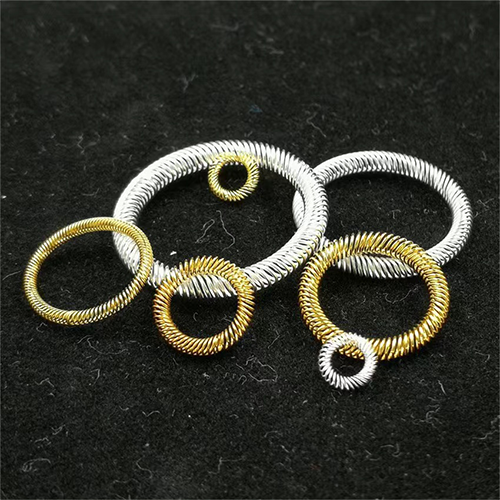
Materials & Plating Options
Material choice has a direct impact on electrical performance, durability, corrosion resistance, and service temperature. For demanding electrical applications, conductive copper alloys and stainless steels are commonly used, and plated finishes can be added to improve conductivity or wear behavior.
Wire materials include:
- Stainless Steel – strength and corrosion resistance
- Elgiloy – high fatigue resistance
- Inconel – high temperature performance
Plating Options Include:
- Gold
- Silver
- Nickel
- Tin
Typical EMI Shielding Applications
- Connectors and couplings
- Mechanical assemblies
- Aerospace components
- Industrial equipment
- Precision devices
Request Engineering Support
Need help designing a retention solution? Our engineers can assist with your application.
- ✔ Custom retention force design
- ✔ Groove and installation recommendations
- ✔ Sample and prototyping support
Contact us to optimize your mechanical connection design.
Explore Other Canted Coil Spring Solutions
-
Electrical Conductivity
- Low contact resistance (< 10 mΩ)
- Multi-point contact ensures stable current transfer
- Ideal for connectors, battery contacts, and grounding systems
-
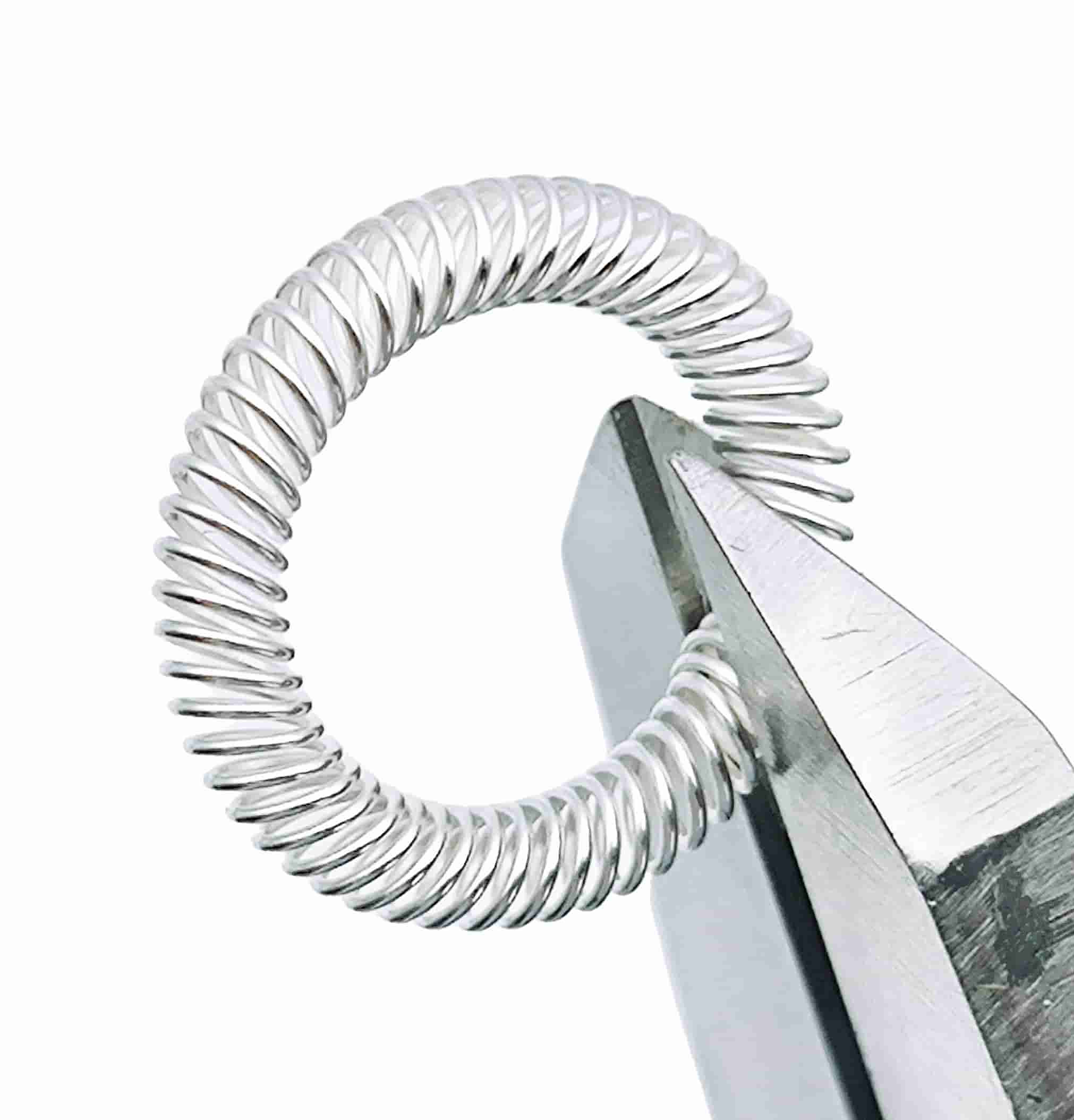
EMI/RFI Shielding
- Continuous conductive path for effective EMI suppression
- Maintains grounding integrity across interfaces
- Performs reliably under vibration and dynamic conditions
FAQ
What are retention springs?
They are used to securely hold components in place while allowing controlled assembly and disassembly.
How do they differ from electrical springs?
Retention springs focus on mechanical holding force rather than electrical conductivity.
Can retention force be customized?
Yes, insertion and extraction forces can be precisely engineered.