How Contact Force Stability Impacts EMI Shielding Effectiveness
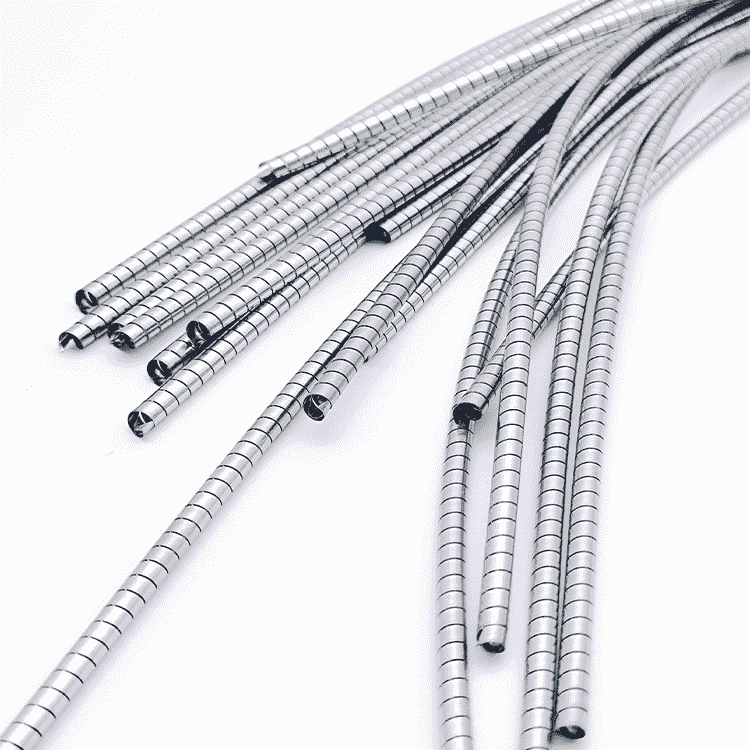
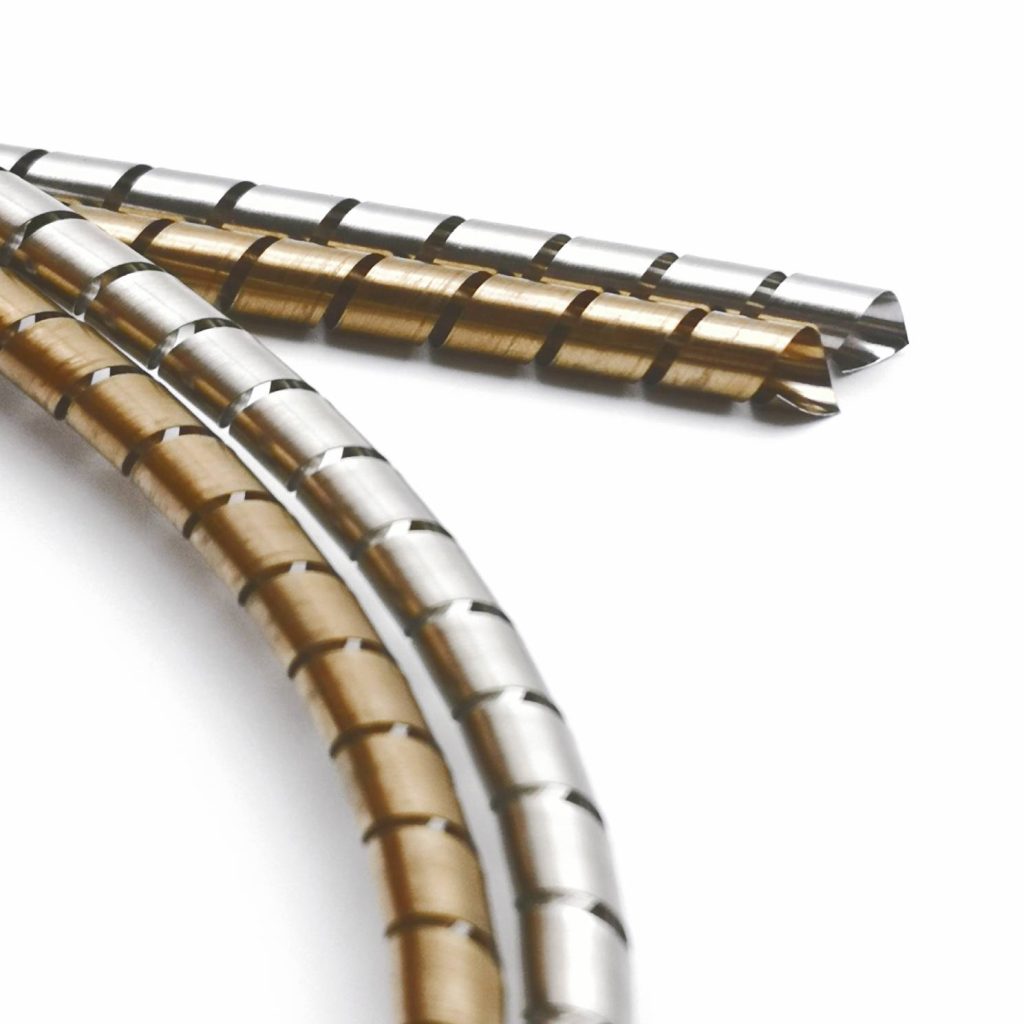
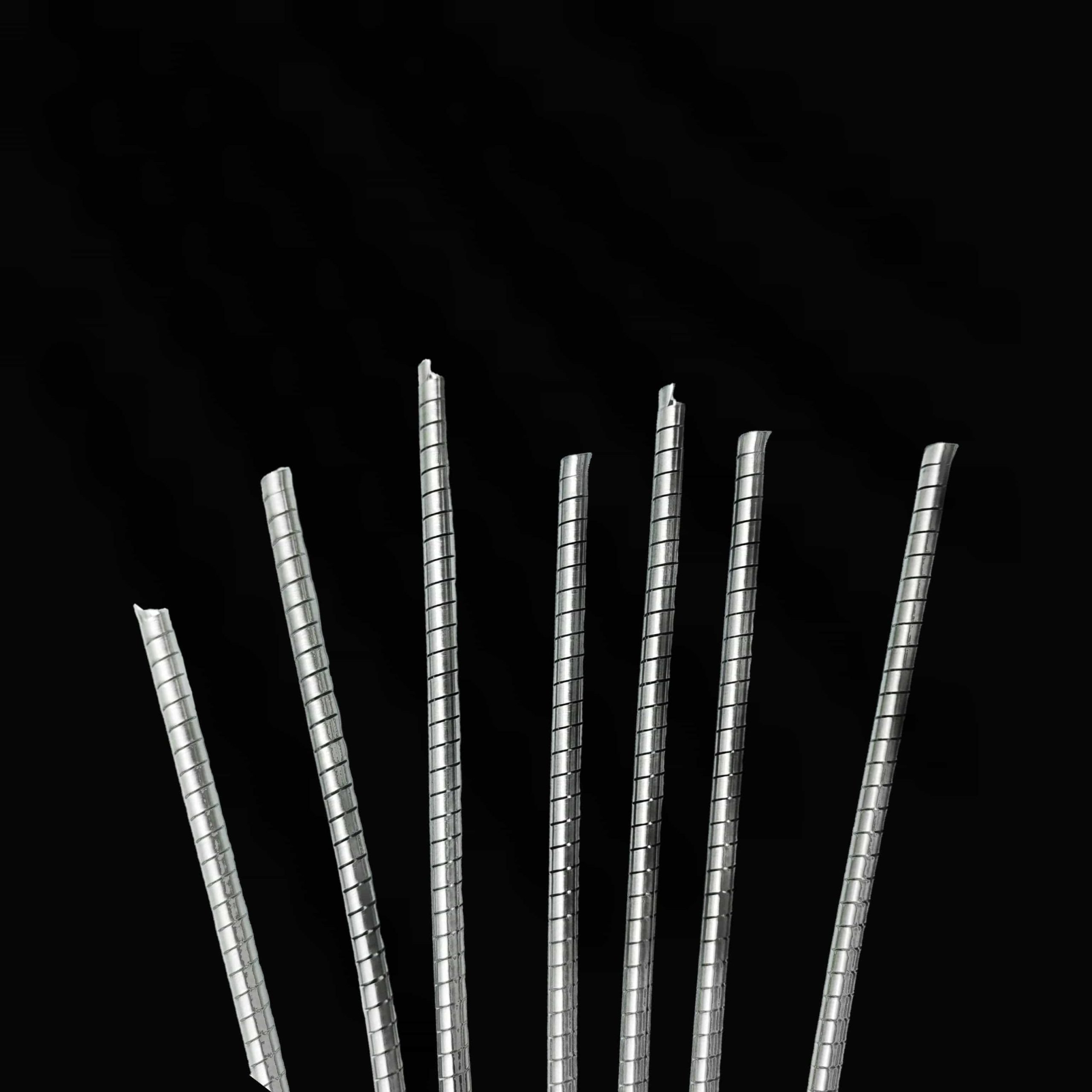
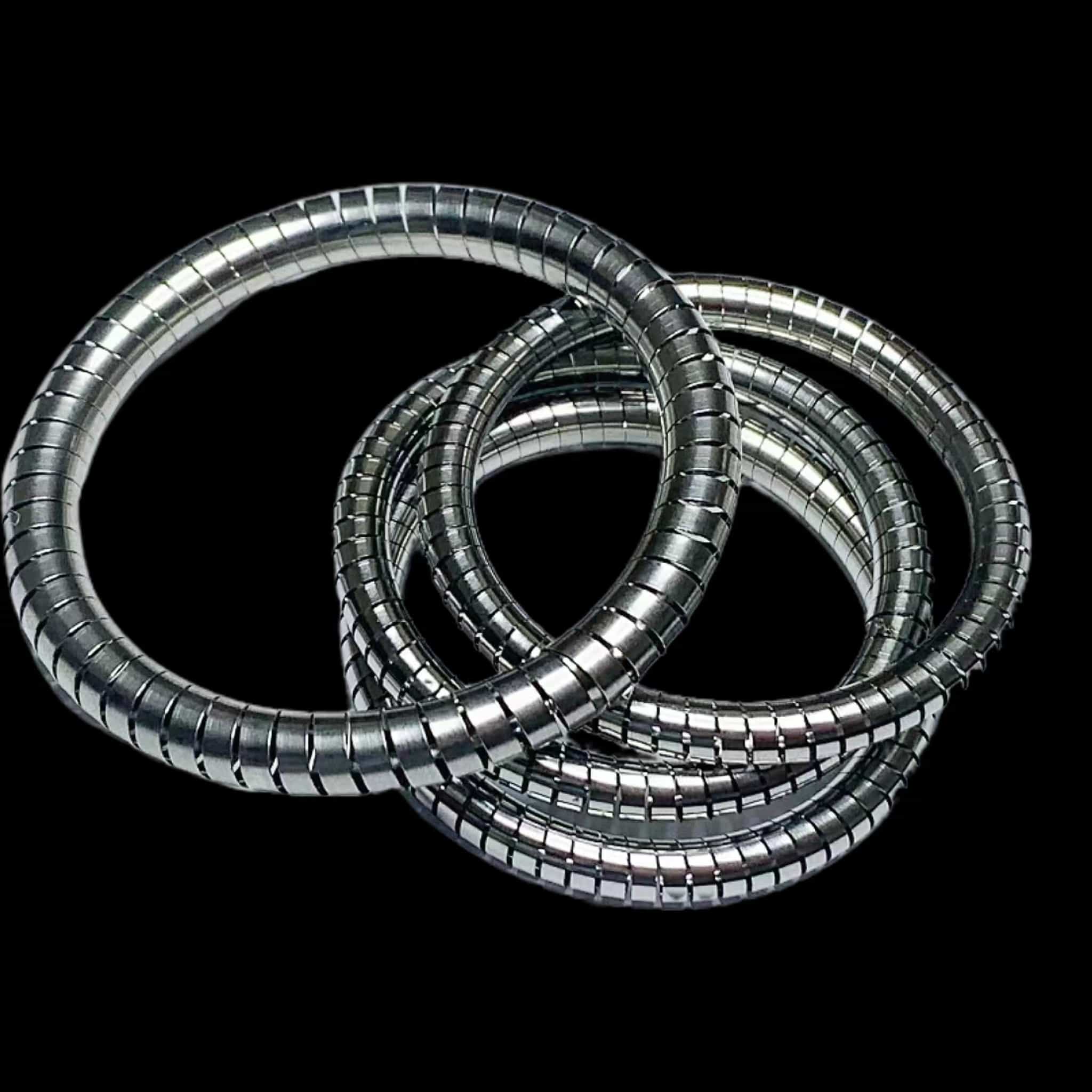
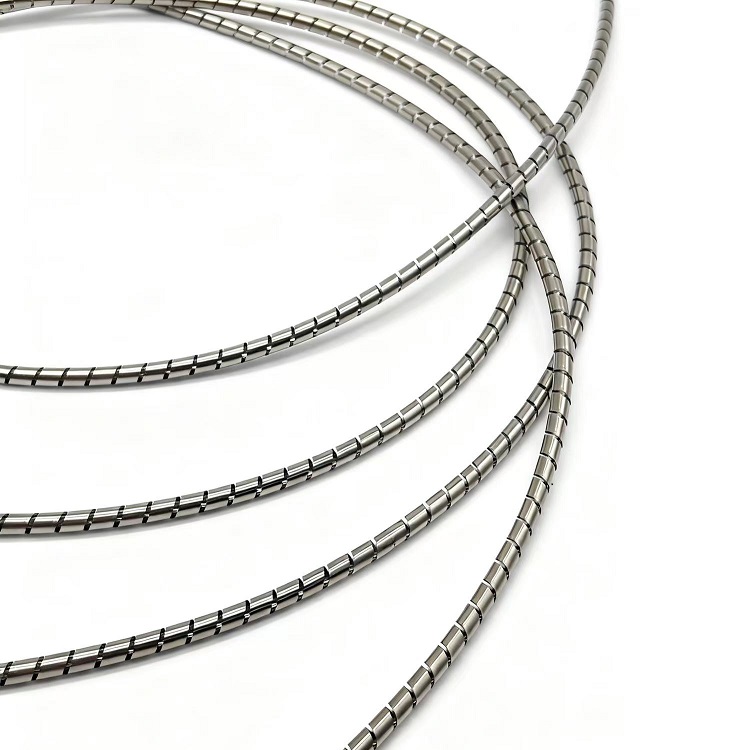
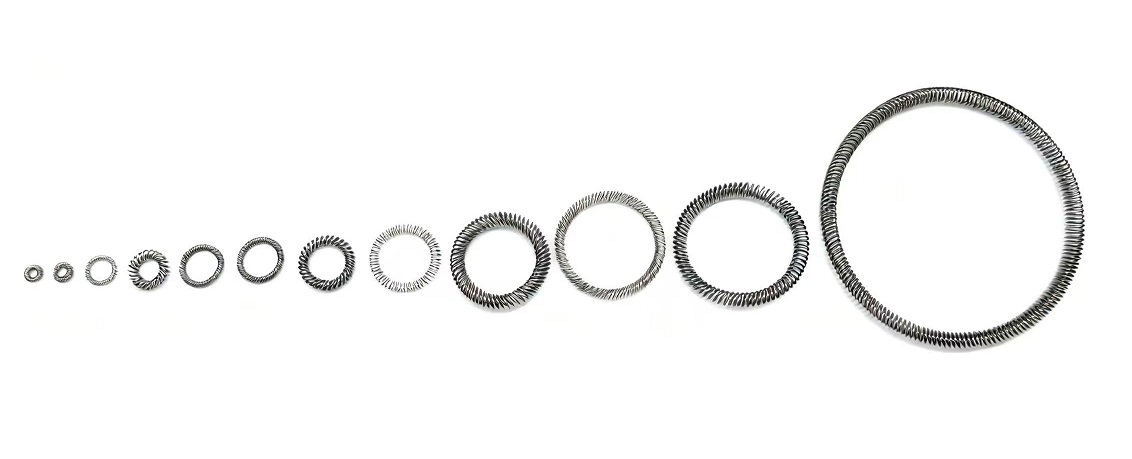
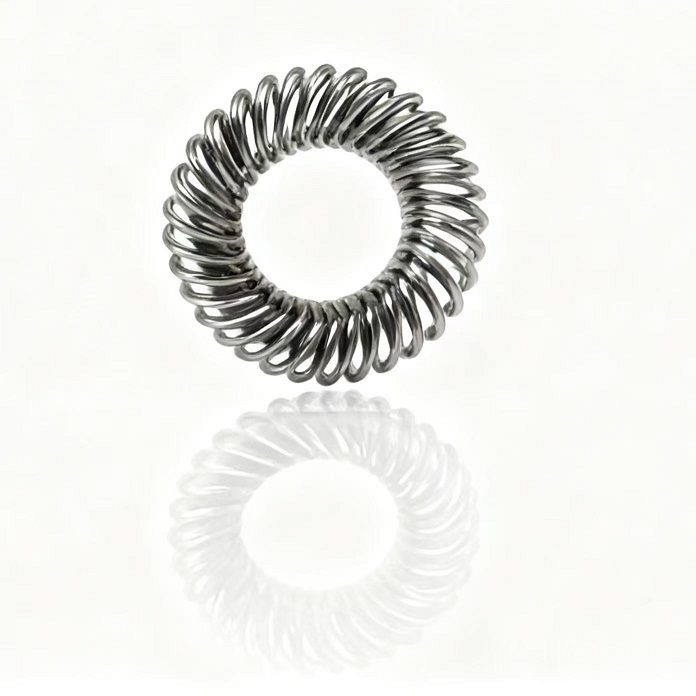
私たちの EMIシールドガスケット are engineered for applications where contact force stability is critical to long-term electromagnetic compatibility. Unlike conventional gaskets that lose compression over time due to stress relaxation, thermal cycling, or vibration, our solutions maintain consistent contact force throughout the product lifecycle.
主な利点
-
Stable shielding performance: Minimal force relaxation ensures sustained low contact resistance
-
Multiple force classes: Low, moderate, and standard force options to match your application requirements
-
Proven durability: Tested for force retention under heat aging, thermal cycling, and vibration
-
Optimized designs: Metallic spring gaskets and spring-energized elastomeric options for demanding environments
Ideal for aerospace, military, industrial electronics, and telecom applications where reliable EMI protection is non-negotiable. Available with groove design support and performance validation data.
In the world of electromagnetic interference (EMI) shielding, the performance of a gasket is often judged by its material conductivity, shielding effectiveness ratings, and environmental durability. Yet there is one critical factor that engineers sometimes overlook—contact force stability.
A shielding gasket that loses its compressive force over time will inevitably compromise the very protection it was designed to provide. This article explores why contact force stability matters, how it affects shielding performance, and what design considerations ensure long-term reliability.
Why Contact Force Matters in EMI Shielding
EMIシールドガスケット function by creating a 連続導電パス between two mating surfaces—typically a enclosure door and its frame, or two housing components. This conductive path completes a Faraday cage, preventing electromagnetic waves from entering or escaping the protected space.
For this conductive path to be effective, the gasket must maintain consistent electrical contact across its entire length. Any gap, gap, or high-resistance point can become an antenna or leakage path, drastically reducing shielding effectiveness.

The Role of Contact Force
Contact force is the compressive pressure that the gasket exerts against the mating surfaces. This force serves two essential purposes:
- Ensures low-resistance contact: Higher force typically reduces contact resistance by increasing the number of contact points and breaking through thin surface oxides.
- Maintains contact over time: Environmental factors such as vibration, thermal cycling, and material creep can cause gaps to form if the gasket lacks sufficient or stable contact force.
The relationship between contact force and shielding effectiveness is not linear. A gasket with insufficient force will exhibit rapidly declining shielding performance as even minor gaps appear. Conversely, excessive force may damage the gasket, housing, or fasteners, or create assembly challenges.
The Physics of Contact Resistance
The fundamental relationship governing EMI shielding effectiveness is 接触抵抗. When two conductive surfaces meet, the actual contact occurs only at microscopic asperities—the high points on each surface. The total contact area is a fraction of the apparent area.
Contact resistance is determined by three factors:
- Number of contact points: More points mean lower resistance.
- コンタクトフォース: Higher force deforms asperities, creating more contact points.
- Surface condition: Oxides, contaminants, and surface roughness increase resistance.
As contact force decreases, the number of active contact points diminishes. When force falls below a threshold, the remaining contact points cannot carry the required current, and the interface becomes a source of electromagnetic leakage.
How Force Instability Develops
Even a well-designed shielding system can lose contact force over time. Understanding how force instability develops is essential for selecting robust solutions.
1. Material Relaxation (Stress Relaxation & Creep)
All elastomeric and metallic materials experience some degree of stress relaxation over time—a gradual reduction in force under constant compression. This is particularly pronounced in:
- Elastomeric gaskets: Conductive silicone or fluorosilicone gaskets can lose 15–30% of their initial force over time, especially at elevated temperatures.
- Metallic gaskets: While more stable, some metallic materials (such as certain aluminum alloys) may also creep under sustained compression.
2. Thermal Cycling
Temperature variations cause differential expansion between the gasket, housing, and fasteners. Repeated thermal cycles can:
- Accelerate stress relaxation
- Loosen fasteners
- Create permanent deformation in gasket materials
3. Vibration and Mechanical Shock
In applications such as aerospace, automotive, or industrial equipment, vibration can gradually reduce contact force through:
- Fastener loosening
- Microscopic fretting wear on contact surfaces
- Gradual settling of the gasket into the groove
4. Improper Groove Design
A groove that is too deep, too shallow, or incorrectly sized can cause the gasket to be either under-compressed (insufficient force) or over-compressed (accelerated relaxation). Both scenarios lead to premature loss of contact force.
5. Tolerances Stack-Up
Manufacturing tolerances on mating components can result in actual compression varying significantly from the design intent. A stack-up of tolerances may leave the gasket with less than the required compression, or in some cases, with excessive compression that accelerates material fatigue.
The Shielding Effectiveness Curve: A Visual Representation
The relationship between contact force and shielding effectiveness can be conceptualized as having three distinct regions:
| 圧縮範囲 | Force Level | シールド効果 | Risk |
|---|---|---|---|
| Under-compressed | Below optimal | Poor to moderate | High risk of gaps and leakage |
| Optimal range | Recommended force | Optimal (design rating) | Stable performance |
| Over-compressed | Excessive force | Good initially, but declining over time | Accelerated relaxation, possible gasket damage |
Why the over-compressed zone is dangerous: While initial shielding may be excellent, excessive compression accelerates stress relaxation. Over time, the gasket may actually end up under-compressed—with worse performance than if it had been correctly compressed from the start.
Measuring Contact Force Stability
Quantifying contact force stability requires both static and dynamic considerations:
Static Contact Force
について initial compression force should fall within the manufacturer’s recommended range—typically 15% to 30% of the gasket’s original height for elastomeric types, or a specific compression percentage for metallic spring gaskets.
Force Retention
Force retention is the percentage of initial force maintained after exposure to environmental stresses. High-quality gaskets maintain at least 70–80% of initial force after accelerated aging tests such as:
- Heat aging: 70°C to 100°C for 7 to 30 days
- サーマルサイクリング: Multiple cycles between extreme temperatures
- 湿度暴露: 85% relative humidity at elevated temperatures
Engineering Solutions for Stable Contact Force
Selecting gaskets with stable contact force requires understanding the application environment and choosing appropriate technologies.
1. Metallic Spring Gaskets
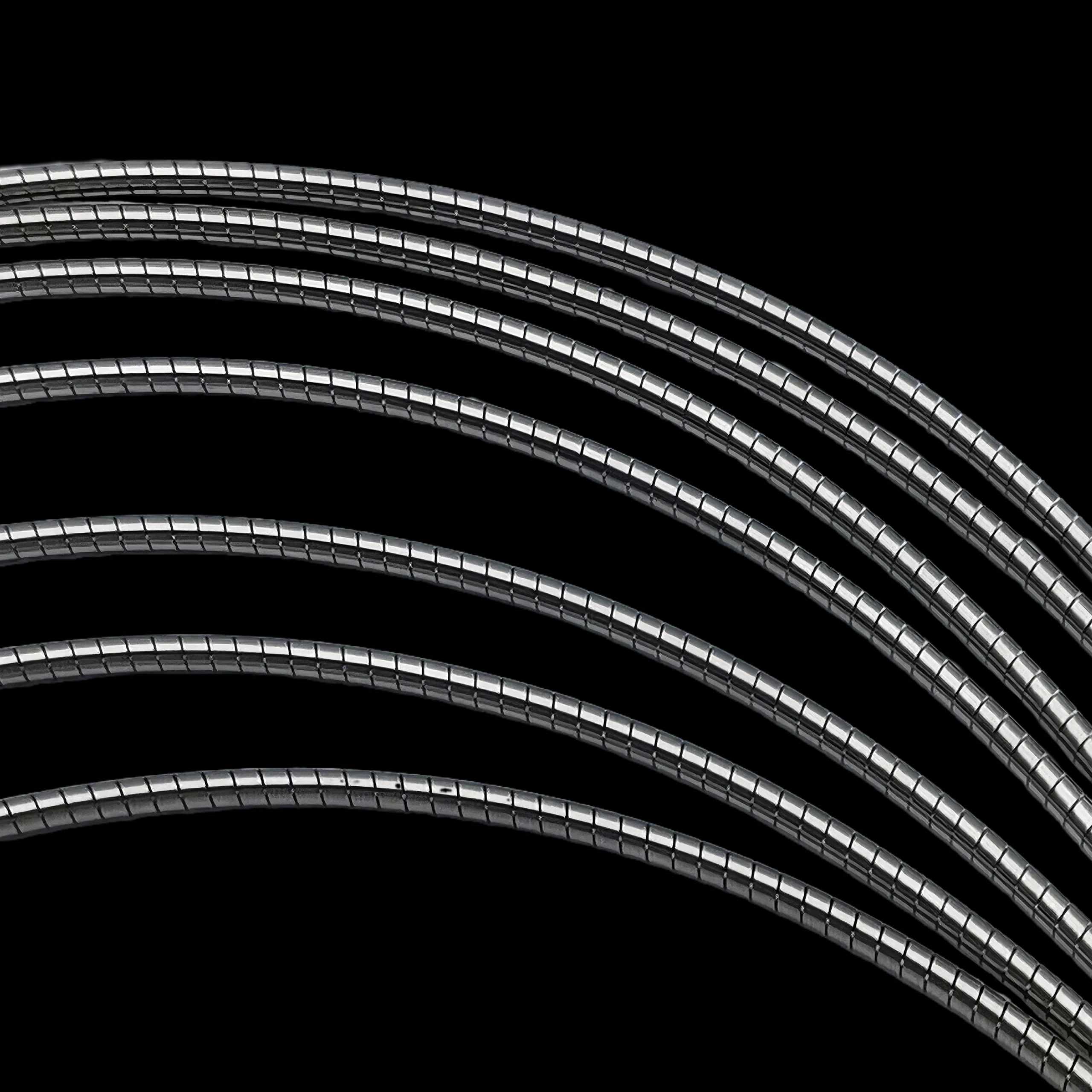
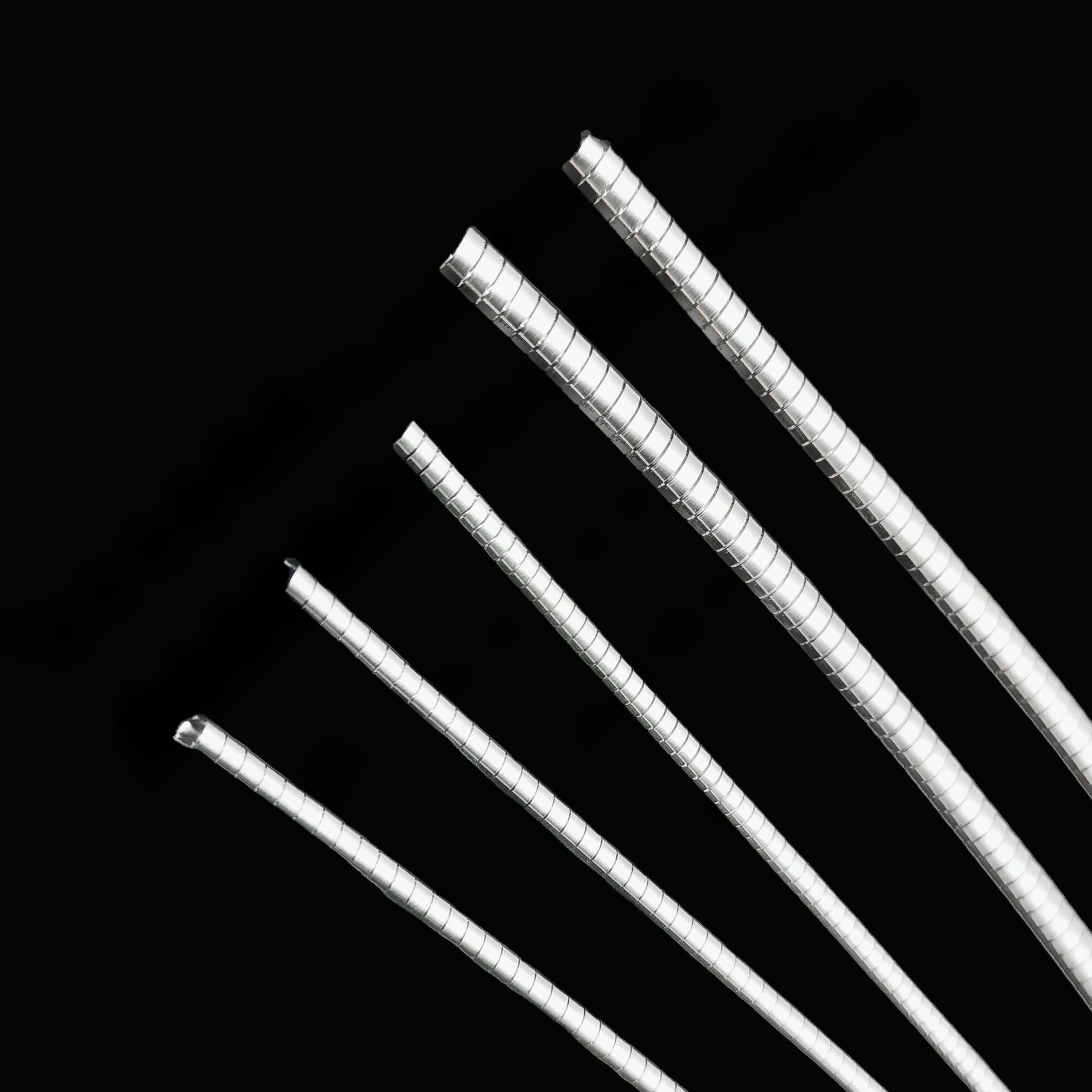
Spiral-wound, canted coil, or finger stock gaskets offer superior force stability compared to elastomeric alternatives. Their metal-on-metal contact provides:
- Minimal stress relaxation (typically <5% over life)
- Stable performance across wide temperature ranges
- Resistance to outgassing and chemical attack
However, metallic gaskets generally require higher compression forces and may have higher installed costs.
2. Elastomeric Gaskets with Spring Cores
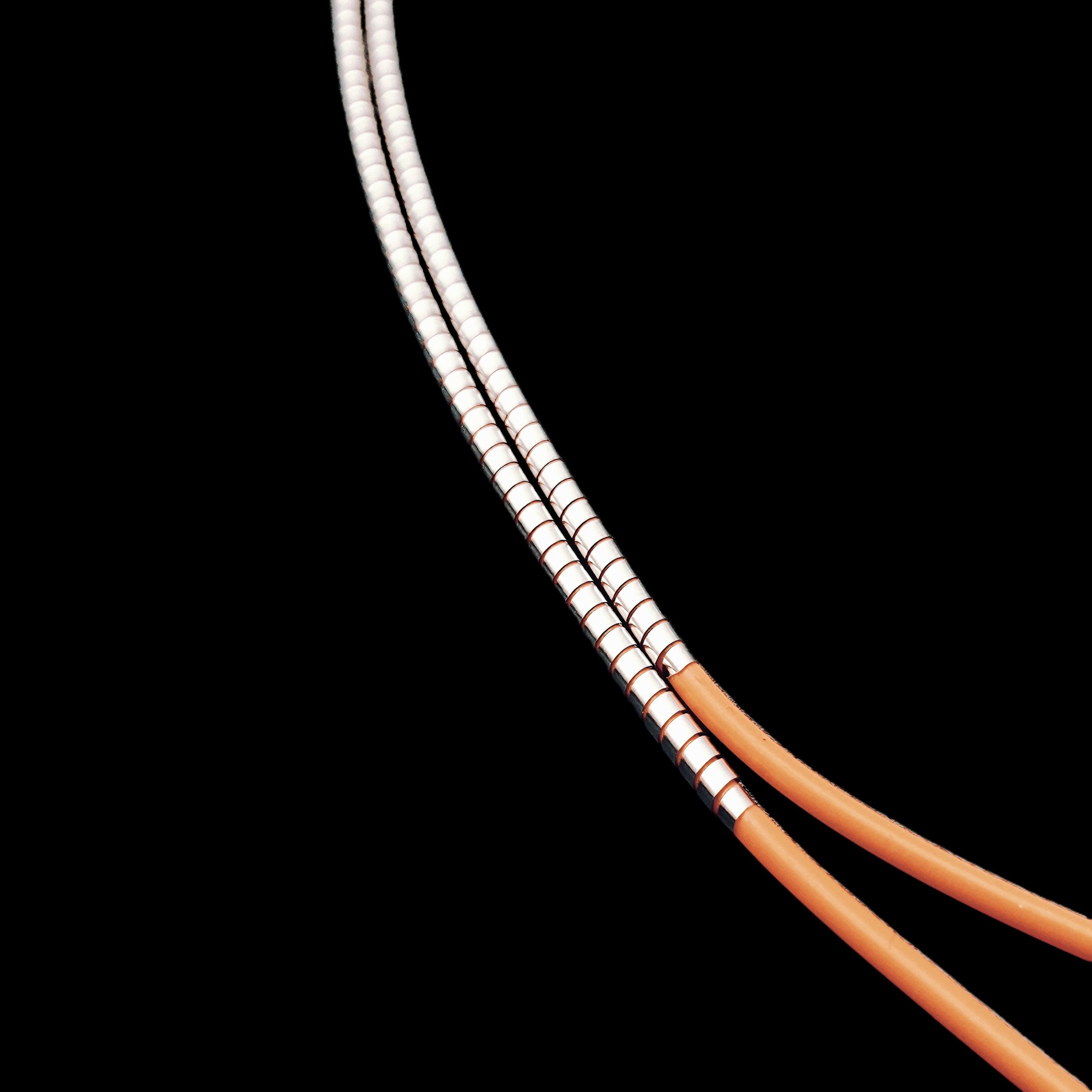
For applications requiring environmental sealing combined with EMI shielding, elastomeric gaskets with internal spring cores provide a balance. The spring maintains contact force even if the elastomer relaxes.
3. Optimized Groove Design
Regardless of gasket type, proper groove dimensions are essential. Key design parameters include:
- 溝の深さ: Should be slightly less than the gasket height (typically 70–85% of gasket height)
- Groove width: Sufficient to contain the gasket without causing excessive side compression
- 表面仕上げ: Smooth enough to prevent wear, but not so smooth that the gasket cannot grip
4. Force Classification Selection
Many EMI gasket manufacturers offer multiple force classes:
| Force Class | Relative Force | 代表的なアプリケーション |
|---|---|---|
| ロー・フォース | ~1.5 lb/in | Plastic housings, lightweight structures |
| 中程度の力 | ~10 lb/in | General industrial, standard enclosures |
| 標準フォース | ~30 lb/in | High reliability, military, aerospace |
Selecting the appropriate force class for the application is critical—too low, and contact stability may be compromised; too high, and assembly challenges may arise.
Real-World Impact: A Case Study
Consider two identical electronic enclosures, both specified with a moderate-force EMI gasket achieving 100 dB shielding effectiveness in laboratory tests.
Enclosure A: The groove is correctly designed with 25% compression. The gasket remains within its optimal range throughout thermal and vibration testing. Final shielding effectiveness: 98 dB.
Enclosure B: The groove is 0.010 inches deeper than specified due to machining tolerances. Initial compression is only 18%, still within range. However, after 100 thermal cycles and vibration testing, the gasket relaxes to 14% compression—below the minimum recommended. Shielding effectiveness drops to 65 dB, causing a compliance failure.
The difference between the two was not the gasket itself, but the stability of the contact force throughout the product’s expected operating life.
Selecting for Contact Force Stability
When evaluating EMI shielding gaskets for a new design, consider these factors:
1. Application Environment
- Temperature extremes: Select materials rated for the full operating range.
- Thermal cycling frequency: Frequent cycles require materials with low relaxation.
- Vibration exposure: Consider gaskets with mechanical retention features if needed.
2. Compression Management
- Specify tolerance control: Define allowable groove depth and mating surface variation.
- Consider force vs. deflection curves: Ensure the operating point lies in the flattest region of the curve for maximum stability.
3. Lifecycle Requirements
- Expected service life: Longer life demands materials with proven long-term relaxation data.
- Maintenance access: If the gasket will be compressed and released repeatedly, consider materials with excellent recovery.
4. Testing and Validation
- Require force retention data: Request test reports showing compression force retention after environmental exposure.
- Conduct life testing: If possible, validate with representative thermal and vibration profiles.
結論
Contact force stability is not a secondary consideration in EMIシールド—it is a primary determinant of long-term performance. A gasket that achieves excellent shielding in initial tests but loses contact force over time will inevitably fail to protect the sensitive electronics it was designed to shield.
By understanding the factors that affect force stability—material relaxation, thermal cycling, vibration, and design tolerances—engineers can make informed choices that ensure reliable electromagnetic compatibility throughout the product’s life.
Whether selecting metallic spring gaskets for critical aerospace applications, or optimizing groove designs for industrial electronics, the principle remains the same: stable contact force equals stable shielding.
こちらもおすすめ
-
EMI Helical Spring: The Complete Guide to Conductive Spiral Shielding SolutionsRF/EMIシールドスパイラルガスケット
EMIヘリカルスプリング
Discover how EMI Helical Springs (spiral springs) provide superior electromagnetic interference shielding. Learn about their design, materials, attenuation performance up to -80 dB, and applications in aerospace, medical, and electronics industries. Introduction: The Growing Challenge of Electromagnetic Interference In our......
-
カスタムOリングガスケット:材料、サイズ、製造に関する究極のガイドRF/EMIシールドスパイラルガスケット
カスタムOリングガスケット
O-rings are among the most widely used sealing elements in hydraulic, pneumatic, automotive, aerospace, and industrial systems worldwide. Despite their simple donut-shaped appearance, these components play a critical role in preventing fluid and gas leakage under diverse operating conditions . For......
-
ステンレス製クイックシールドとは?HANDAクイックシールドの特徴・メリット・用途RF/EMIシールドスパイラルガスケット
Handaクイックシールド
ステンレス鋼クイックシールドとは何か、どのように機能するのか、なぜHANDAクイックシールドがエレクトロニクス、航空宇宙、産業用アプリケーションに信頼性の高いEMIシールドを提供できるのかをご覧ください。その特徴、利点、設計上の主な考慮点をご覧ください。電子機器の小型化、高速化、......
-
EMIシールドガスケットサンプル請求|ご指定の前にテストしてください。RF/EMIシールドスパイラルガスケット
Handaスパイラルシールド
EMIシールドガスケットサンプルリクエスト|仕様の前にテストする メタ説明 重要な用途で最終仕様の前に、材料性能、フィット感、シールド効果を評価するためにEMIシールドガスケットサンプルリクエストを提出します。EMIシールドガスケットサンプルリクエスト:実用的な......
-
カスタムカントコイルスプリング:設計上の考慮点と製造工程フィンガーストリップ
直角シールドフィンガーストリップ
カスタムカントコイルスプリングは、要求の厳しい用途に合わせた力、たわみ、耐久性を提供します。カスタムカントコイルスプリングソリューションの重要な設計、材料、製造工程、品質管理について説明します。はじめに 今日の高性能な機械・電気システムでは、標準的な部品がしばしば......