Какая нержавеющая сталь лучше всего подходит для конических витых пружин?
Какая нержавеющая сталь лучше всего подходит для пружин со скошенными витками? Узнайте, как нержавеющие стали 301, 302, 304, 316 и 17-7PH соотносятся по прочности, коррозионной стойкости и производительности для пружин со скошенными витками.
Выбор правильной нержавеющей стали имеет решающее значение для производительности и долговечности пружины со скошенными витками. Эти прецизионные пружины широко используются в электрических контактах, экранировании электромагнитных помех, уплотнениях, защелках и высокоцикличных механических приложениях. Поскольку пружины со скошенными витками зависят от постоянной силы и упругого восстановления, выбор материала напрямую влияет на усталостную долговечность, коррозионную стойкость и эксплуатационную надежность.
Так какая же нержавеющая сталь лучше всего подходит для пружин со скошенными витками? Ответ зависит от условий применения, требований к нагрузке и промышленных стандартов. В этой статье сравниваются наиболее часто используемые марки нержавеющей стали и объясняется, как выбрать оптимальный материал для конической спиральной пружины.
Почему нержавеющая сталь имеет значение для конических витых пружин
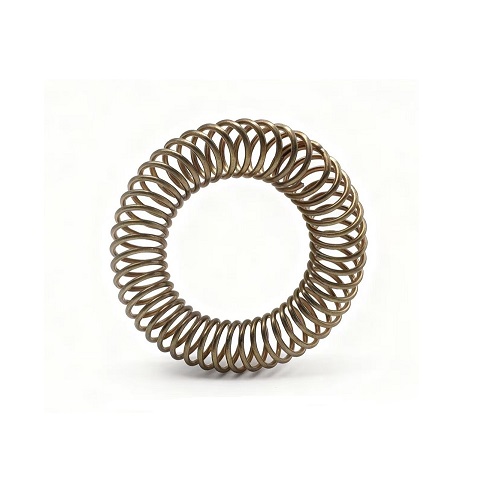
Пружины со скошенными витками От традиционных пружин сжатия они отличаются тем, что каждый виток расположен под углом, что позволяет пружине создавать практически постоянное усилие в широком диапазоне прогиба. Чтобы добиться таких характеристик, материал должен обладать следующими свойствами:
- Высокий предел упругости
- Отличная усталостная прочность
- Стабильные механические свойства в течение долгого времени
- Устойчивость к коррозии и окислению
Нержавеющая сталь отвечает этим требованиям лучше, чем большинство сплавов, что делает ее предпочтительным материалом для пружины со скошенными витками в сложных отраслях промышленности.
Распространенные марки нержавеющей стали, используемые в конических спиральных пружинах
Нержавеющая сталь 301
Нержавеющая сталь 301 известна своей высокой прочностью на разрыв после холодной обработки.
Ключевые преимущества:
- Высокая прочность и твердость
- Хорошая усталостная прочность
- Экономичность при крупносерийном производстве
Типичные области применения:
- Облегченные механические пружины со скошенными витками
- Потребительская электроника
- Низкокоррозионные среды
Ограничения:
- Более низкая коррозионная стойкость по сравнению с 304 или 316
Нержавеющая сталь 302
Нержавеющая сталь 302 является одним из наиболее широко используемых материалов для пружины со скошенными витками.
Ключевые преимущества:
- Сбалансированная прочность и пластичность
- Хорошая коррозионная стойкость
- Стабильная работа пружины
Типичные области применения:
- Пружины для электрических контактов
- Общепромышленные пружины со скошенными витками
Ограничения:
- Не идеально подходит для высокоагрессивных сред
Нержавеющая сталь 304
Нержавеющая сталь 304 обладает превосходной коррозионной стойкостью и часто выбирается в тех случаях, когда важна устойчивость к воздействию окружающей среды.
Ключевые преимущества:
- Отличная устойчивость к коррозии и окислению
- Хорошая формуемость
- Подходит для чистой и влажной среды
Типичные области применения:
- Медицинские изделия
- Оборудование для пищевой промышленности и чистых помещений
- Экранирование электромагнитных полей коническими пружинами
Ограничения:
- Более низкая прочность по сравнению с 301 и 17-7PH
Нержавеющая сталь 316
Нержавеющая сталь 316 - лучший выбор для суровых и агрессивных сред.
Ключевые преимущества:
- Превосходная коррозионная стойкость, особенно к хлоридам
- Отличная химическая стабильность
- Длительный срок службы
Типичные области применения:
- Морское оборудование
- Химическая обработка
- Наружные системы экранирования и герметизации электромагнитных помех
Ограничения:
- Более высокая стоимость материалов
- Немного меньшая прочность пружины
17-7PH Нержавеющая сталь
Закаленная осаждением нержавеющая сталь 17-7 часто считается Лучшая нержавеющая сталь для высокопроизводительных пружин со скошенными витками.
Ключевые преимущества:
- Очень высокая прочность и предел упругости
- Выдающаяся усталостная прочность
- Стабильная работа при высоких нагрузках
Типичные области применения:
- Аэрокосмическая и оборонная промышленность
- Полупроводниковое оборудование
- Пружины для электрических контактов с высоким циклом работы
Ограничения:
- Более сложная термическая обработка
- Более высокая стоимость по сравнению со стандартными аустенитными марками
Сравнительная таблица нержавеющих сталей для конических спиральных пружин
| Марка нержавеющей стали | Прочность | Устойчивость к коррозии | Срок службы при усталости | Типичное использование |
|---|---|---|---|---|
| 301 | Высокий | Умеренный | Хорошо | Пружины для легких условий эксплуатации |
| 302 | Средний | Хорошо | Хорошо | Общее назначение |
| 304 | Средний | Очень хорошо | Средний | Медицина, ЭМИ |
| 316 | Средний | Превосходно | Средний | Морской, химический |
| 17-7PH | Очень высокий | Хорошо | Превосходно | Аэрокосмическая промышленность, высокий цикл |
Как выбрать лучшую нержавеющую сталь для конических спиральных пружин
При выборе нержавеющей стали для пружин со скошенными витками учитывайте следующие факторы:
- Условия эксплуатации: Влага, химикаты, соляной туман
- Требования к нагрузке и прогибу: Постоянная сила против высокой нагрузки
- Срок службы: Применение при высоких циклах или статических нагрузках
- Отраслевые стандарты: Соответствие требованиям в области медицины, аэрокосмической промышленности или военного дела
Для общего применения достаточно нержавеющей стали 302 или 304. Для коррозионной среды предпочтительнее использовать нержавеющую сталь 316. Для высокопроизводительных или прецизионных применений, Нержавеющая сталь 17-7PH часто является лучшим выбором для пружин со скошенными витками.
Описание продукта: Пружины из нержавеющей стали с коническими витками
Наша нержавеющая сталь пружины со скошенными витками разработаны для обеспечения точности, долговечности и стабильного усилия. Эти пружины изготавливаются из нержавеющей стали 301, 302, 304, 316 и 17-7PH и могут быть адаптированы к точным размерам канавки, требованиям к нагрузке и условиям окружающей среды.
Наши пружины со скошенными витками, предназначенные для экранирования электромагнитных помех, электрических контактов, уплотнений, защелок и замков, отличаются длительным сроком службы, превосходной коррозионной стойкостью и надежной работой в таких сложных отраслях, как аэрокосмическая, медицинская, электронная и полупроводниковая промышленность.
Почему HANDA выбирает подходящую нержавеющую сталь для конических спиральных пружин
На сайте ХАНДАВыбор материала является основной частью нашей инженерной философии. Имея десятилетия опыта в производстве прецизионных пружин, мы понимаем, что производительность пружины со скошенными витками зависит не только от дизайна, но и от выбора оптимальной нержавеющей стали для каждого конкретного случая применения.
HANDA предлагает изготовленные на заказ конические спиральные пружины из высококачественных сортов нержавеющей стали, включая 301, 302, 304, 316 и 17-7PH. Каждый материал тщательно оценивается с учетом требований к нагрузке, срока службы, коррозионной стойкости и условий эксплуатации. От стандартных промышленных применений до высоконадежных аэрокосмических и полупроводниковых систем, HANDA обеспечивает стабильную мощность, длительный усталостный ресурс и стабильную работу.
Наша команда инженеров работает в тесном сотрудничестве с клиентами, чтобы рекомендовать наилучшее решение из нержавеющей стали, помогая снизить сложность системы и одновременно повысить надежность и срок службы.
Конические пружины из нержавеющей стали HANDA
Нержавеющая сталь HANDA пружины со скошенными витками прецизионно спроектированы для обеспечения постоянного усилия, превосходного восстановления упругости и долговременной надежности. Изготовленные с использованием высококачественных материалов из нержавеющей стали, таких как 301, 302, 304, 316 и 17-7PH, эти пружины предназначены для работы в сложных механических, электрических и электромагнитных условиях.
В отличие от традиционных пружин сжатия, пружины HANDA со скошенными витками имеют наклонные витки, которые обеспечивают практически постоянное усилие в широком диапазоне прогиба. Эта уникальная структура позволяет добиться превосходных характеристик при уплотнении, электрических контактах, защелках, блокировке и заземлении. В зависимости от потребностей применения, HANDA предлагает решения, оптимизированные для усталости при высоких циклах, коррозионной стойкости или стабильности при высоких нагрузках.
Для общего применения нержавеющая сталь 302 и 304 обеспечивает сбалансированное сочетание прочности и коррозионной стойкости. В жестких или агрессивных средах нержавеющая сталь 316 обеспечивает длительный срок службы и химическую стабильность. Для высокопроизводительных систем, требующих исключительной усталостной прочности и пределов упругости, предпочтительным выбором является нержавеющая сталь 17-7PH.
Конические спиральные пружины HANDA выпускаются в нестандартных диаметрах, сечениях и диапазонах нагрузок, с дополнительной обработкой поверхности и гальваническим покрытием. Каждая пружина производится под строгим контролем качества для обеспечения стабильной работы в таких отраслях, как аэрокосмическая промышленность, медицинское оборудование, электроника и полупроводниковое оборудование.
ЧАСТО ЗАДАВАЕМЫЕ ВОПРОСЫ
FAQ: Пружины из нержавеющей стали с конической спиралью от HANDA
Q1: Какую нержавеющую сталь рекомендует HANDA для большинства применений пружин со скошенными витками?
Для общепромышленных и электротехнических применений компания HANDA обычно рекомендует Нержавеющая сталь 302 или 304Надежная работа и хорошая коррозионная стойкость.
Вопрос 2: Какая нержавеющая сталь лучше всего подходит для высокоцикличных конических пружин?
Для применения в условиях высокого цикла и высоких нагрузок, 17-7PH нержавеющая сталь является лучшим выбором благодаря превосходной усталостной прочности и эластичности.
Q3: Подходят ли конические спиральные пружины HANDA для работы в агрессивных средах?
Да. HANDA производит пружины со скошенными витками, используя 316 нержавеющая стальчто обеспечивает превосходную устойчивость к коррозии, химическим веществам и солевому туману.
Q4: Может ли HANDA обеспечить пользовательские конические пружины из нержавеющей стали?
Абсолютно. HANDA специализируется на Пружины со скошенными виткамиОни адаптированы к размерам канавки, требованиям к усилию и условиям окружающей среды.