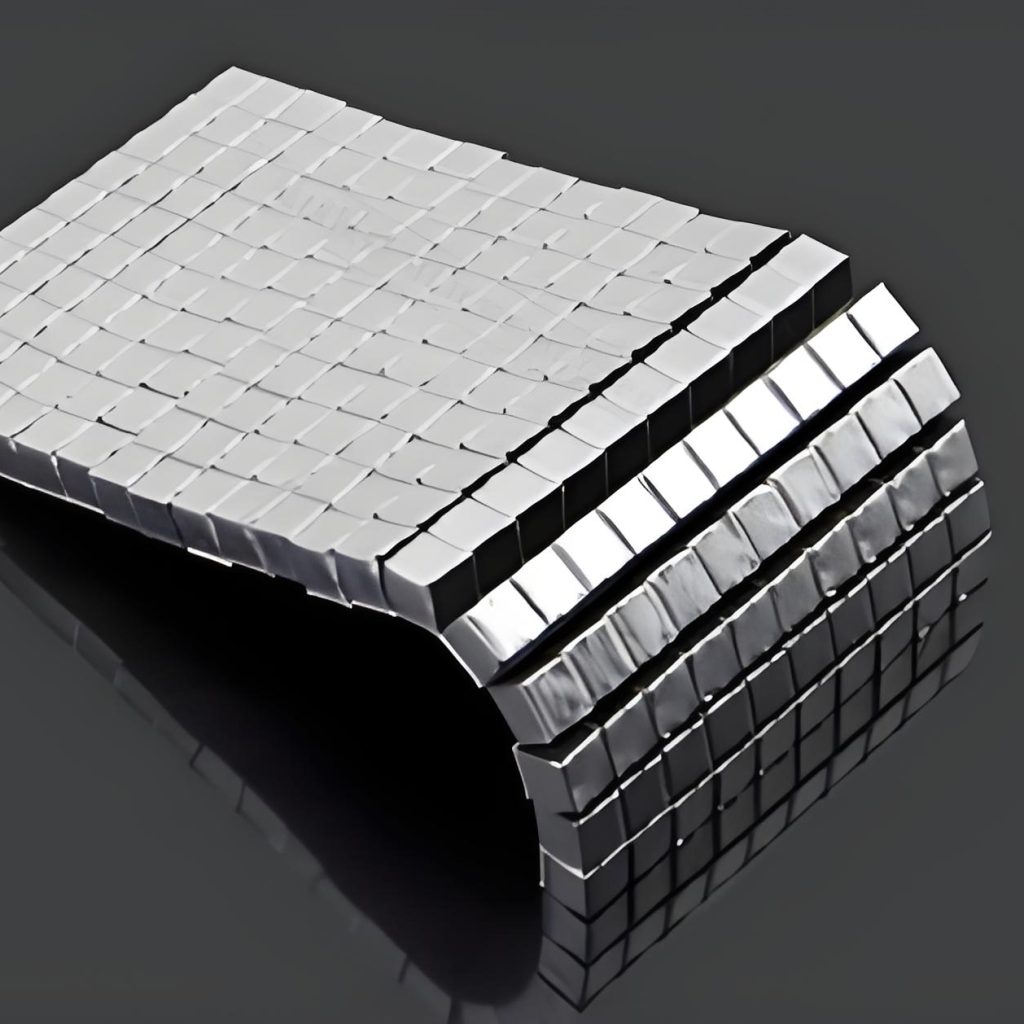
Conductive Aluminum Foil Foam: The Complete Engineering Guide to EMI Shielding, Materials & Applications

中国湖南省郴州市

Conductive Aluminum Foil Foam: In the ever-evolving landscape of electronic devices, electromagnetic interference (EMI) has become a critical design challenge. From smartphones and automotive electronics to medical implants and aerospace systems, controlling unwanted electromagnetic energy is essential for reliable operation and regulatory compliance.

Among the various EMI shielding solutions available, conductive aluminum foil foam has emerged as a versatile, lightweight, and cost-effective option. This comprehensive guide explores the engineering principles behind conductive aluminum foil foam, its material composition, key applications, and how to select the right product for your specific requirements.


What Is Conductive Aluminum Foil Foam?

Conductive aluminum foil foam is a composite shielding material consisting of three primary layers:

Layer素材機能
導電層アルミホイルProvides primary EMI shielding through reflection and absorption
Core LayerPolyurethane or polyethylene foamOffers compressibility, resilience, and gap-filling capability
粘着層Conductive or non-conductive adhesiveEnsures secure mounting to enclosure surfaces

について アルミホイル provides excellent electrical conductivity, while the foam core allows the gasket to conform to irregular surfaces, compensate for tolerances, and maintain consistent contact pressure. This combination makes aluminum foil foam gaskets ideal for applications requiring both shielding effectiveness and mechanical compliance.


How Conductive Aluminum Foil Foam Works for EMI Shielding

EMI shielding operates on three fundamental principles: reflection, absorption, and multiple reflections.

導電性アルミ箔フォームハンドシールド

遮蔽メカニズム

When electromagnetic waves encounter a conductive material like aluminum foil:

  1. リフレクション: A portion of the incident wave is reflected at the air-conductor interface due to impedance mismatch
  2. 吸収: Energy that penetrates the conductor is converted to heat through eddy currents
  3. 多重反射: Waves reflected between internal surfaces undergo further attenuation

Shielding Effectiveness (SE) is expressed in decibels (dB) and follows the formula:

SE = R + A + B

Where:

  • R = Reflection loss (depends on material conductivity and wave impedance)
  • A = Absorption loss (depends on material thickness and permeability)
  • B = Multiple reflection correction (significant only for thin materials)

For aluminum foil foam gaskets, typical shielding effectiveness ranges from 60 dB to 100 dB depending on frequency, compression, and material thickness.


Materials and Construction

Conductive Layer: Aluminum Foil

Aluminum foil is the primary conductive element in these gaskets. Its key properties include:

プロパティ価値Advantage
電気伝導率~3.5 × 10⁷ S/mExcellent EMI reflection capability
Density2.7 g/cm³Lightweight compared to copper (8.96 g/cm³)
耐食性Forms protective oxide layerSuitable for many environments
Thickness Range0.02 mm – 0.2 mmFlexible design options

Aluminum vs. Copper: While copper offers higher conductivity, aluminum provides significant weight savings and cost advantages, making it the preferred choice for portable electronics, automotive, and aerospace applications where weight is critical.

Foam Core: Compressible Foundation

The foam core determines the mechanical behavior of the gasket:

Foam TypeCharacteristicsアプリケーション
Polyurethane FoamExcellent resilience, good compression set resistanceGeneral industrial, consumer electronics
Polyethylene FoamClosed-cell structure, moisture resistantOutdoor, marine, high-humidity environments
Silicone FoamWide temperature range (-55°C to 200°C), excellent durabilityAerospace, automotive engine compartments

Adhesive Options

The adhesive layer can be either conductive or non-conductive:

  • Conductive Adhesive: Maintains electrical continuity between the foil and the mounting surface; essential for grounding applications
  • Non-Conductive Adhesive: Provides mechanical attachment only; suitable when the gasket is mechanically compressed by the enclosure design

Key Applications

1.家電製品

Smartphones, tablets, laptops, and wearables require compact, lightweight EMI shielding to prevent interference between internal components.

Why aluminum foil foam is preferred:

  • Lightweight construction preserves device portability
  • Thin profiles fit tight internal spaces
  • Compressible foam accommodates assembly tolerances

2. Automotive Electronics

Modern vehicles contain dozens of electronic control units (ECUs), sensors, and infotainment systems that must coexist without interference.

ComponentShielding Requirement
Engine Control UnitsHigh-temperature resistance, vibration tolerance
Infotainment SystemsBroad frequency coverage (AM/FM, GPS, cellular)
ADAS SensorsConsistent performance across temperature range

3. Medical Devices

Medical electronics demand reliable EMI shielding to ensure patient safety and diagnostic accuracy.

  • イメージング装置: MRI, CT, and X-ray systems require high shielding effectiveness
  • Implantable devices: Biocompatible materials and reliable performance
  • Monitoring equipment: Interference-free operation in hospital environments

4.航空宇宙・防衛

Avionics and military electronics operate in demanding environments with stringent reliability requirements.

Key considerations:

  • Wide temperature range capability
  • Outgassing compliance (NASA, ESA standards)
  • Flame retardancy requirements
  • Weight savings for aircraft efficiency

5. Telecommunications

Base stations, routers, and networking equipment require EMI gaskets that maintain performance over years of continuous operation.


Selection Criteria: How to Choose the Right Conductive Aluminum Foil Foam

Step 1: Define Shielding Requirements

RequirementConsideration
周波数範囲Aluminum foil is effective from low frequencies to several GHz; verify performance at your specific frequencies
シールド効果Determine required dB level (typically 60–100 dB for most applications)
EMI SourceIdentify whether shielding against radiated emissions or susceptibility

Step 2: Evaluate Mechanical Requirements

パラメータKey Considerations
圧縮範囲Recommended compression: 20–50% of original thickness
Gap ToleranceFoam core compensates for 0.5–3 mm gaps typically
サイクル・ライフPolyurethane foam generally offers better resilience for repeated compression cycles
動作温度Select foam type based on temperature extremes

Step 3: Assess Environmental Conditions

EnvironmentRecommended Materials
High HumidityClosed-cell polyethylene foam, corrosion-resistant foil
Outdoor ExposureUV-stable materials, protective coatings
Chemical ExposureFluoropolymer or silicone-based constructions
VacuumLow-outgassing materials (silicone foam, aluminum)

Step 4: Select Adhesive Type

粘着タイプ最適
Conductive AdhesiveApplications requiring electrical continuity to ground
Non-Conductive AdhesiveMechanically compressed gaskets, applications with separate grounding paths

Installation and Mounting

Proper installation ensures optimal shielding performance:

表面処理

  • Clean mounting surfaces to remove dust, oil, and oxidation
  • Ensure surfaces are flat and free of burrs

Compression Guidelines

  • Design compression to maintain 20–50% of original thickness
  • Avoid over-compression, which can damage foam structure
  • Ensure uniform compression across the gasket length

Common Mounting Methods

Method説明メリット
Pressure-Sensitive Adhesive (PSA)Peel-and-stick applicationSimple, no hardware required
Groove MountingGasket sits in machined groovePrecise positioning, mechanical retention
Mechanical FasteningClips, screws, or other hardwareHighest retention, suitable for frequent access

Performance Testing and Validation

To ensure conductive aluminum foil foam gaskets meet application requirements, consider the following tests:

Shielding Effectiveness Testing

Performed according to standards such as IEEE 299 または MIL-STD-285, measuring attenuation across the frequency range of interest.

Compression Force-Deflection

Verifies that the gasket provides the specified contact force at the intended compression.

圧縮セット試験

Measures permanent deformation after prolonged compression—a critical parameter for long-term reliability.

Foam TypeTypical Compression Set (25% compression, 22h at 70°C)
Polyurethane< 10%
Polyethylene< 5%
Silicone< 15%

環境試験

  • 温度サイクル: -40°C to +85°C (or application range)
  • 湿度暴露: 85% RH at 85°C for 7 days
  • 塩霧: For marine and outdoor applications
  • Outgassing: For aerospace and vacuum applications

Comparison: Conductive Aluminum Foil Foam vs. Other Shielding Materials

素材重量シールド効果コストベストアプリケーション
Aluminum Foil FoamLight60–100 dBLow–ModerateConsumer electronics, automotive, general industrial
Copper Foil FoamHeavy70–110 dBModerate–HighHigh-performance electronics, military
Conductive Elastomer中程度60–90 dB中程度Environmental sealing + EMI shielding
Finger StockLight80–100 dB中程度High-cycle, sliding applications
Wire Mesh中程度60–80 dB低いLarge gaps, low-cost applications

よくある質問

Is conductive aluminum foil foam RoHS compliant?

Yes, aluminum foil foam gaskets can be manufactured to meet RoHS, REACH, and other environmental standards. Verify with your supplier for specific compliance documentation.

Can it be used for both EMI shielding and grounding?

Yes, when used with conductive adhesive or properly compressed between conductive surfaces, aluminum foil foam gaskets provide both shielding and grounding functions.

What is the typical lifespan of these gaskets?

With proper material selection and installation, aluminum foil foam gaskets can last 10+ years in normal indoor environments. Harsh environments may require more frequent replacement.

How does temperature affect performance?

Aluminum foil itself is stable across a wide temperature range. The foam core determines temperature limits:

  • Polyurethane: -40°C to +85°C
  • Silicone: -55°C to +200°C

結論

Conductive aluminum foil foam gaskets offer a compelling combination of lightweight construction, cost-effectiveness, and reliable EMI shielding performance. Their versatility makes them suitable for a wide range of applications—from consumer electronics and automotive systems to medical devices and aerospace equipment.

When selecting a conductive aluminum foil foam solution, engineers should consider:

  • シールド効果 requirements across the frequency range
  • Mechanical requirements including compression range and cycle life
  • 環境条件 such as temperature extremes, humidity, and chemical exposure
  • Installation method and adhesive type

By understanding these factors and working with experienced suppliers who provide performance data and application support, engineers can confidently specify conductive aluminum foil foam gaskets that deliver reliable electromagnetic compatibility throughout the product lifecycle.


Need assistance selecting conductive aluminum foil foam gaskets for your application? Contact our engineering team for material recommendations, performance data, and custom design support.