Проводящая алюминиевая пена: Полное инженерное руководство по экранированию электромагнитных помех, материалам и применению
Токопроводящая алюминиевая фольга: В постоянно развивающемся мире электронных устройств электромагнитные помехи (ЭМП) стали важнейшей проблемой проектирования. От смартфонов и автомобильной электроники до медицинских имплантатов и аэрокосмических систем, контроль нежелательной электромагнитной энергии необходим для надежной работы и соответствия нормативным требованиям.
Среди различных доступных решений по экранированию электромагнитных помех, проводящая алюминиевая фольга стала универсальным, легким и экономически эффективным вариантом. В этом подробном руководстве рассматриваются инженерные принципы, лежащие в основе токопроводящей алюминиевой фольги, состав ее материала, основные области применения и способы выбора подходящего продукта для ваших конкретных требований.
Что такое проводящая алюминиевая фольга?
Проводящая алюминиевая фольга представляет собой композитный экранирующий материал, состоящий из трех основных слоев:
| Слой | Материал | Функция |
|---|---|---|
| Проводящий слой | Алюминиевая фольга | Обеспечивает первичное экранирование ЭМИ за счет отражения и поглощения |
| Основной слой | Полиуретан или пенополиэтилен | Обеспечивает сжимаемость, упругость и способность заполнять зазоры |
| Клеевой слой | Токопроводящий или непроводящий клей | Обеспечивает надежное крепление к поверхности шкафа |
Сайт алюминиевая фольга обеспечивает отличную электропроводность, а вспененная сердцевина позволяет прокладке прилегать к неровным поверхностям, компенсировать допуски и поддерживать постоянное контактное давление. Такое сочетание делает прокладки из вспененной алюминиевой фольги идеальным решением для приложений, требующих как эффективности экранирования, так и механического соответствия.
Как работает проводящая алюминиевая фольга для экранирования электромагнитных помех
Экранирование электромагнитных помех основано на трех фундаментальных принципах: отражение, поглощение и многократное отражение.
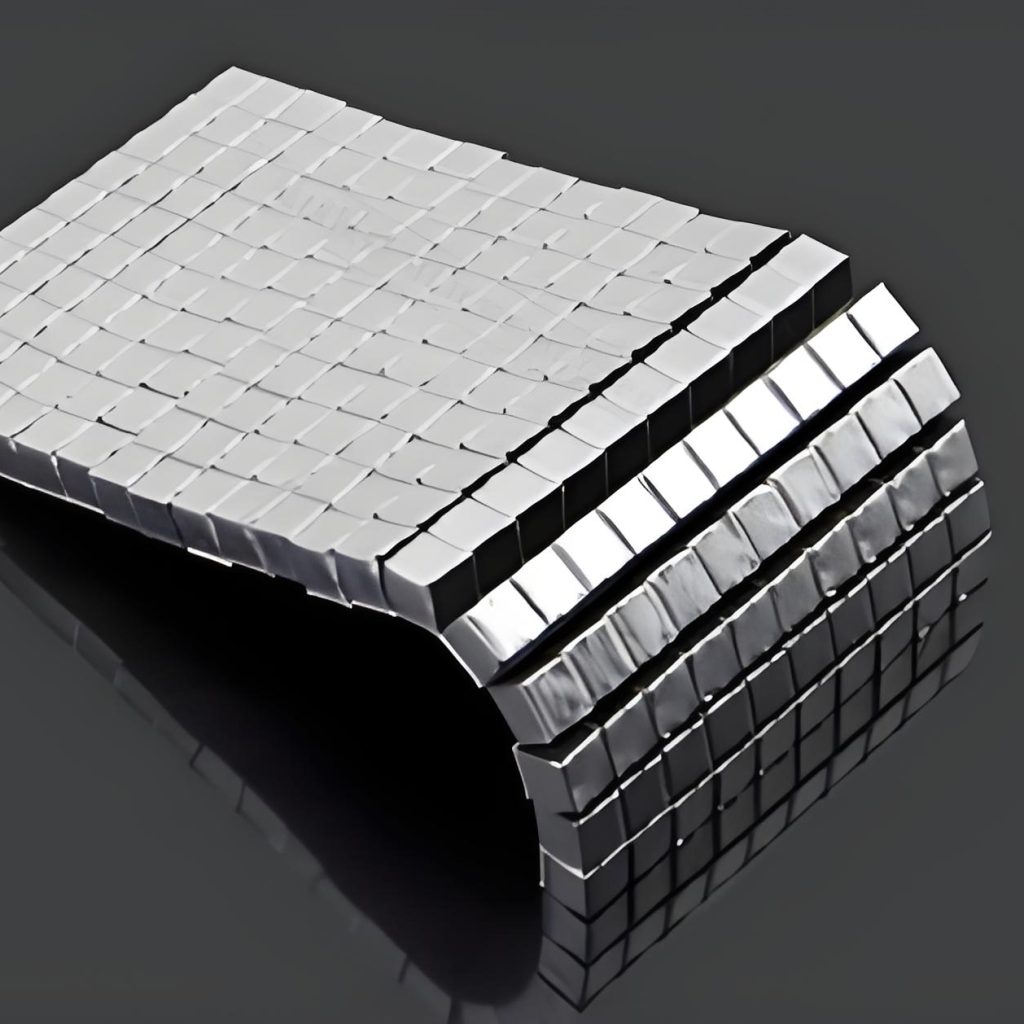
Механизм экранирования
Когда электромагнитные волны сталкиваются с проводящим материалом, таким как алюминиевая фольга:
- Отражение: Часть падающей волны отражается от границы раздела воздух-проводник из-за несоответствия импеданса
- Поглощение: Энергия, проникающая в проводник, преобразуется в тепло благодаря вихревым токам
- Множественные отражения: Волны, отраженные от внутренних поверхностей, подвергаются дальнейшему затуханию
Эффективность экранирования (SE) выражается в децибелах (дБ) и определяется по формуле:
SE = R + A + B
Где:
- R = Потери на отражение (зависит от проводимости материала и волнового сопротивления)
- A = Потери на поглощение (зависит от толщины и проницаемости материала)
- B = Коррекция многократного отражения (существенна только для тонких материалов)
Для прокладок из вспененной алюминиевой фольги типичная эффективность экранирования варьируется от 60 дБ - 100 дБ в зависимости от частоты, сжатия и толщины материала.
Материалы и строительство
Проводящий слой: Алюминиевая фольга
Алюминиевая фольга является основным проводящим элементом в этих прокладках. Ее основные свойства включают:
| Недвижимость | Значение | Преимущество |
|---|---|---|
| Электропроводность | ~3,5 × 10⁷ S/m | Отличная способность к отражению электромагнитных помех |
| Плотность | 2,7 г/см³ | Легкий по сравнению с медью (8,96 г/см³) |
| Устойчивость к коррозии | Образует защитный оксидный слой | Подходит для различных сред |
| Диапазон толщины | 0,02 мм - 0,2 мм | Гибкие варианты дизайна |
Алюминий против меди: Хотя медь обеспечивает более высокую проводимость, алюминий дает значительную экономию веса и преимущества в стоимости, что делает его предпочтительным выбором для портативной электроники, автомобильной и аэрокосмической промышленности, где вес имеет решающее значение.
Пенопластовый сердечник: Сжимаемая основа
Пенопластовая сердцевина определяет механические свойства прокладки:
| Тип пены | Характеристики | Приложения |
|---|---|---|
| Пенополиуретан | Отличная эластичность, хорошая устойчивость к сжатию | Общепромышленные товары, бытовая электроника |
| Вспененный полиэтилен | Структура с закрытыми порами, влагостойкая | Открытый воздух, морская среда, высокая влажность |
| Силиконовая пена | Широкий температурный диапазон (от -55°C до 200°C), отличная долговечность | Аэрокосмические, автомобильные моторные отсеки |
Варианты клея
Клеевой слой может быть как проводящим, так и непроводящим:
- Токопроводящий клей: Поддерживает электрическую непрерывность между пленкой и монтажной поверхностью; необходим для заземления
- Непроводящий клей: Обеспечивает только механическое крепление; подходит, когда прокладка механически сжимается конструкцией шкафа
Ключевые приложения
1. Потребительская электроника
Смартфоны, планшеты, ноутбуки и носимые устройства нуждаются в компактных и легких экранах для защиты от электромагнитных помех, чтобы предотвратить интерференцию между внутренними компонентами.
Почему предпочтительнее использовать пенопласт из алюминиевой фольги:
- Легкая конструкция сохраняет портативность устройства
- Тонкие профили подходят для узких внутренних пространств
- Сжимаемая пена позволяет выдерживать монтажные допуски
2. Автомобильная электроника
Современные автомобили содержат десятки электронных блоков управления (ЭБУ), датчиков и информационно-развлекательных систем, которые должны сосуществовать без помех.
| Компонент | Требование к экранированию |
|---|---|
| Блоки управления двигателем | Устойчивость к высоким температурам, устойчивость к вибрациям |
| Информационно-развлекательные системы | Широкое частотное покрытие (AM/FM, GPS, сотовая связь) |
| Датчики ADAS | Постоянная производительность в диапазоне температур |
3. Медицинские приборы
Медицинская электроника требует надежной защиты от электромагнитных помех для обеспечения безопасности пациентов и точности диагностики.
- Оборудование для получения изображений: Системы МРТ, КТ и рентгеновские установки требуют высокой эффективности экранирования
- Имплантируемые устройства: Биосовместимые материалы и надежная работа
- Оборудование для мониторинга: Работа без помех в больничных условиях
4. Аэрокосмическая и оборонная промышленность
Авионика и военная электроника работают в сложных условиях с жесткими требованиями к надежности.
Ключевые соображения:
- Возможность работы в широком диапазоне температур
- Соответствие требованиям по газовыделению (стандарты NASA, ESA)
- Требования к огнестойкости
- Снижение веса для повышения эффективности самолета
5. Телекоммуникации
Базовые станции, маршрутизаторы и сетевое оборудование нуждаются в прокладках для защиты от электромагнитных помех, которые сохраняют свои характеристики в течение многих лет непрерывной работы.
Критерии выбора: Как правильно выбрать проводящую алюминиевую фольгу
Шаг 1: Определите требования к экранированию
| Требование | Рассмотрение |
|---|---|
| Диапазон частот | Алюминиевая фольга эффективна в диапазоне от низких частот до нескольких ГГц; проверьте эффективность на конкретных частотах. |
| Эффективность экранирования | Определите необходимый уровень дБ (обычно 60-100 дБ для большинства приложений) |
| Источник электромагнитного излучения | Определите, является ли экранирование от излучения или восприимчивость |
Шаг 2: Оцените механические требования
| Параметр | Ключевые соображения |
|---|---|
| Диапазон сжатия | Рекомендуемая компрессия: 20-50% от первоначальной толщины |
| Допустимый зазор | Пенопластовый сердечник обычно компенсирует зазоры 0,5-3 мм. |
| Цикл жизни | Пенополиуретан, как правило, обладает повышенной прочностью при многократных циклах сжатия |
| Рабочая температура | Выберите тип пены в зависимости от экстремальных температур |
Шаг 3: Оцените условия окружающей среды
| Окружающая среда | Рекомендуемые материалы |
|---|---|
| Высокая влажность | Пенополиэтилен с закрытыми порами, коррозионностойкая фольга |
| Воздействие на открытом воздухе | УФ-стойкие материалы, защитные покрытия |
| Химическое воздействие | Конструкции на основе фторполимера или силикона |
| Вакуум | Материалы с низким уровнем газовыделения (силиконовая пена, алюминий) |
Шаг 4: Выберите тип клея
| Тип клея | Лучшее для |
|---|---|
| Токопроводящий клей | Приложения, требующие непрерывного электрического соединения с землей |
| Непроводящий клей | Механически сжимаемые прокладки, применение с отдельными путями заземления |
Установка и монтаж
Правильная установка обеспечивает оптимальную эффективность экранирования:
Подготовка поверхности
- Очистите монтажные поверхности от пыли, масла и окисления
- Убедитесь, что поверхности плоские и не имеют заусенцев
Рекомендации по компрессии
- Сжатие конструкции для поддержания 20-50% оригинальной толщины
- Избегайте чрезмерного сжатия, которое может повредить структуру пены
- Обеспечьте равномерное сжатие по всей длине прокладки
Распространенные способы монтажа
| Метод | Описание | Преимущества |
|---|---|---|
| Чувствительный к давлению клей (PSA) | Нанесение наклейки | Простота, не требует оборудования |
| Монтаж в пазы | Прокладка помещается в обработанный паз | Точное позиционирование, механическая фиксация |
| Механическое крепление | Зажимы, винты или другие скобяные изделия | Высочайшая степень фиксации, подходит для частого использования |
Тестирование производительности и проверка
Чтобы убедиться, что токопроводящие прокладки из вспененной алюминиевой фольги соответствуют требованиям, предъявляемым к ним, проведите следующие испытания:
Испытание эффективности экранирования
Выполняется в соответствии с такими стандартами, как IEEE 299 или MIL-STD-285Измерение затухания в интересующем диапазоне частот.
Сила сжатия - Прогиб
Проверяет, обеспечивает ли прокладка заданное контактное усилие при предполагаемом сжатии.
Испытание на компрессионный комплект
Измеряет постоянную деформацию после длительного сжатия - критический параметр для долгосрочной надежности.
| Тип пены | Типичный набор для сжатия (сжатие 25%, 22 часа при 70°C) |
|---|---|
| Полиуретан | < 10% |
| Полиэтилен | < 5% |
| Силикон | < 15% |
Экологические испытания
- Циклирование температуры: от -40°C до +85°C (или диапазон применения)
- Воздействие влажности: 85% RH при 85°C в течение 7 дней
- Соляной туман: Для применения в морских условиях и на открытом воздухе
- Outgassing: Для аэрокосмической и вакуумной техники
Сравнение: Проводящая алюминиевая фольга в сравнении с другими экранирующими материалами
| Материал | Вес | Эффективность экранирования | Стоимость | Лучшие приложения |
|---|---|---|---|---|
| Алюминиевая фольга Пенопласт | Свет | 60-100 дБ | Низкий-умеренный | Бытовая электроника, автомобилестроение, общепромышленные товары |
| Медная фольга Пенопласт | Heavy | 70-110 дБ | Умеренно-высокий | Высокопроизводительная электроника, военная техника |
| Проводящий эластомер | Умеренный | 60-90 дБ | Умеренный | Герметизация от воздействия окружающей среды + защита от электромагнитных помех |
| Пальцевый запас | Свет | 80-100 дБ | Умеренный | Высокочастотные, скользящие приложения |
| Проволочная сетка | Умеренный | 60-80 дБ | Низкий | Большие зазоры, недорогие приложения |
Часто задаваемые вопросы
Соответствует ли токопроводящая алюминиевая фольга RoHS?
Да, прокладки из вспененной алюминиевой фольги могут быть изготовлены в соответствии с требованиями RoHS, REACH и других экологических стандартов. Уточняйте у поставщика документацию о соответствии.
Можно ли использовать его как для экранирования ЭМИ, так и для заземления?
Да, при использовании токопроводящего клея или правильном сжатии между токопроводящими поверхностями прокладки из вспененной алюминиевой фольги выполняют функции как экранирования, так и заземления.
Каков типичный срок службы этих прокладок?
При правильном выборе материала и установке прокладки из вспененной алюминиевой фольги могут прослужить более 10 лет в обычных условиях внутри помещений. В суровых условиях может потребоваться более частая замена.
Как температура влияет на производительность?
Алюминиевая фольга сама по себе стабильна в широком диапазоне температур. Пенопластовая сердцевина определяет температурные пределы:
- Полиуретан: от -40°C до +85°C
- Силикон: от -55°C до +200°C
Заключение
Токопроводящая пена из алюминиевой фольги Прокладки предлагают привлекательное сочетание Легкая конструкция, экономичность и надежная защита от электромагнитных помех. Благодаря своей универсальности они подходят для широкого спектра применений - от бытовой электроники и автомобильных систем до медицинских приборов и аэрокосмического оборудования.
При выборе проводящего решения из вспененной алюминиевой фольги инженеры должны учитывать:
- Эффективность экранирования требования в диапазоне частот
- Механические требования включая диапазон сжатия и срок службы
- Условия окружающей среды такие как перепады температуры, влажность и воздействие химических веществ
- Способ установки и тип клея
Понимая эти факторы и работая с опытными поставщиками, которые предоставляют данные о характеристиках и поддержку по применению, инженеры могут с уверенностью выбирать проводящие прокладки из вспененной алюминиевой фольги, которые обеспечивают надежную электромагнитную совместимость на протяжении всего жизненного цикла изделия.
Нужна помощь в выборе проводящих прокладок из вспененной алюминиевой фольги для вашего применения? Свяжитесь с нашей командой инженеров, чтобы получить рекомендации по материалам, эксплуатационные характеристики и поддержку при проектировании по индивидуальному заказу.