Wie man das richtige Spiralrohr für die EMI-Abschirmung auswählt: Ein vollständiger Leitfaden zur Auswahl
Erfahren Sie, wie Sie das richtige Spiralrohr für EMI-Abschirmungsanwendungen auswählen. Entdecken Sie Schlüsselfaktoren wie Materialauswahl, Druckkraft, Leitfähigkeit, Umweltbeständigkeit und branchenspezifische Designanforderungen.
Wie man das richtige Spiralrohr für die EMI-Abschirmung auswählt: Ein vollständiger Leitfaden zur Auswahl
Einführung
Da elektronische Systeme immer kleiner, schneller und leistungsfähiger werden, ist die elektromagnetische Interferenz (EMI) zu einer kritischen technischen Herausforderung in Branchen wie Luft- und Raumfahrt, Telekommunikation, medizinische Geräte, Automobilelektronik und Verteidigungssysteme geworden.
Eine der effektivsten Lösungen für die EMI-Abschirmung in anspruchsvollen Umgebungen ist das Spiralrohr-Federkontakt. Das Spiralrohr ist für seine hervorragende elektrische Leitfähigkeit, zuverlässige mechanische Belastbarkeit und lange Lebensdauer bekannt und findet breite Anwendung in Abschirmgehäusen, Stecksystemen, Erdungsanwendungen und leitfähigen Dichtungssystemen.
Bei der Auswahl des richtigen Spiralrohrs für die EMI-Abschirmung geht es jedoch nicht nur um die Wahl einer Größe. Ingenieure müssen die elektrische Leistung, die Umweltbedingungen, die Kompressionseigenschaften, die Beschichtungsoptionen und die Installationsanforderungen sorgfältig bewerten.
Dieser Leitfaden erklärt, wie Sie das richtige Spiralrohr für Ihre EMI-Abschirmungsanwendung auswählen.
Was ist ein Spiralrohr zur EMI-Abschirmung?
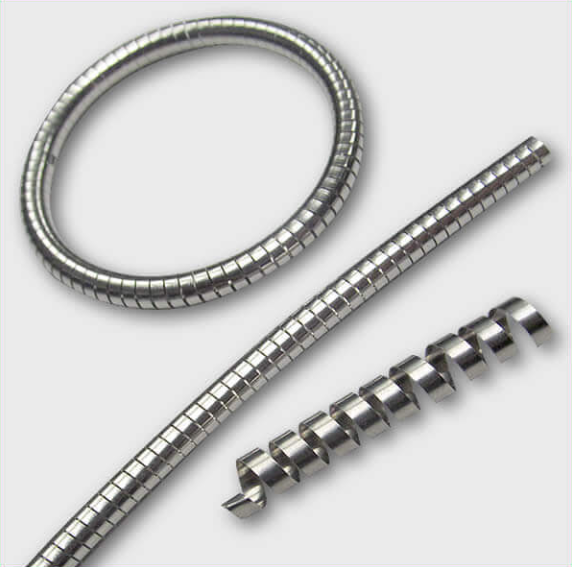
Ein Spiralrohr ist eine kontinuierliche, gewundene Metallfederstruktur, die für die Bereitstellung von:
- Elektrische Leitfähigkeit
- EMI/RFI-Abschirmung
- Kontinuität der Erdung
- Mechanische Übereinstimmung
- Wiederholte Kompressionsleistung
Im Gegensatz zu herkömmlichen Fingerkontakten oder massiven Dichtungen bieten Spiralrohre einen leitenden Mehrpunktkontakt mit geringem Kontaktwiderstand und gleichmäßiger Federkraft.
Typische EMI-Abschirmungsanwendungen
- Geschirmte Elektronikgehäuse
- Luft- und Raumfahrt Avionik
- RF-Kommunikationssysteme
- Medizinische Elektronik
- Militärische Ausrüstung
- Erdungssysteme für Batterien
- Erdung des Steckers
- Leitfähige Plattenschnittstellen
Warum Spiralrohre für die EMI-Abschirmung effektiv sind
1. Kontinuierlich leitender Pfad
Die spiralförmige Struktur schafft mehrere leitende Kontaktpunkte entlang der Kontaktfläche und verbessert so die Abschirmwirkung.
2. Hervorragende Erholung durch Kompression
Die Spiralrohre behalten ihre Federkraft auch nach wiederholten Kompressionszyklen bei und gewährleisten so eine langfristige Zuverlässigkeit der Abschirmung.
3. Niedriger Kontaktwiderstand
Hochwertige leitfähige Materialien und Beschichtungen verringern den elektrischen Widerstand zwischen den sich berührenden Oberflächen.
4. Vibrationsbeständigkeit
Die elastische Struktur absorbiert Stöße und Vibrationen, während die elektrische Kontinuität erhalten bleibt.
5. Anpassungsfähigkeit an komplexe Designs
Spiralrohre können in verschiedenen Durchmessern, Drahtgrößen und Konfigurationen für unterschiedliche Rillen- und Gehäusedesigns angepasst werden.
Schlüsselfaktoren bei der Auswahl eines Spiralrohrs für die EMI-Abschirmung
1. Bestimmen Sie die erforderliche Abschirmwirkung
Die Wirksamkeit der Abschirmung wird in der Regel in Dezibel (dB) gemessen.
Typische Anforderungen sind:
| Industrie | Typische EMI-Abschirmungsanforderung |
|---|---|
| Kommerzielle Elektronik | 40-60 dB |
| Telekommunikation | 60-80 dB |
| Luft- und Raumfahrt & Verteidigung | 80-120 dB |
| Medizinische Geräte | 60-100 dB |
Umgebungen mit höheren Frequenzen erfordern im Allgemeinen eine engere leitende Kontinuität und einen geringeren Kontaktwiderstand.
2. Wählen Sie das richtige Material
Die Auswahl des Materials wirkt sich direkt aus:
- Leitfähigkeit
- Korrosionsbeständigkeit
- Mechanische Festigkeit
- Temperaturfähigkeit
- Ermüdungslebensdauer
Gängige Spiralrohrmaterialien
| Material | Vorteile | Typische Anwendungen |
|---|---|---|
| Rostfreier Stahl | Korrosionsbeständig, langlebig | Allgemeine Industrie |
| Beryllium-Kupfer | Ausgezeichnete Leitfähigkeit und Federeigenschaften | Hochwertige EMI-Abschirmung |
| Elgiloy®. | Hohe Ermüdungsfestigkeit | Luft- und Raumfahrt und Verteidigung |
| MP35N®. | Ausgezeichnete Korrosion und Festigkeit | Marine und Medizin |
| Inconel®. | Hochtemperaturbeständigkeit | Triebwerke für die Luft- und Raumfahrt |
Tipps zur Materialauswahl
- Wählen Sie Berylliumkupfer wenn die Leitfähigkeit im Vordergrund steht.
- Verwenden Sie rostfreier Stahl wenn die Korrosionsbeständigkeit wichtiger ist als die Leitfähigkeit.
- Wählen Sie Elgiloy® oder MP35N® für Anwendungen mit extremer Zuverlässigkeit.
3. Bewertung der Beschichtungsoptionen
Die Beschichtung verbessert die elektrische Leistung und die Korrosionsbeständigkeit erheblich.
Gemeinsame EMI-Abschirmungsplatten
| Beschichtung | Vorteile |
|---|---|
| Silber | Ausgezeichnete Leitfähigkeit |
| Gold | Hervorragende Korrosionsbeständigkeit |
| Nickel | Abriebfestigkeit |
| Zinn | Kostengünstige Leitfähigkeit |
Empfohlene Beschichtung nach Umgebung
| Umwelt | Empfohlene Beschichtung |
|---|---|
| Luft- und Raumfahrt | Gold oder Silber |
| Marine | Gold oder Nickel |
| Industriell | Nickel oder Zinn |
| Hochfrequenz RF | Silber |
4. Verstehen der Komprimierungsanforderungen
Die richtige Kompression ist entscheidend für die Aufrechterhaltung einer wirksamen EMI-Abschirmung.
Eine zu geringe Kompression kann dazu führen:
- Schlechter elektrischer Kontakt
- Erhöhte EMI-Leckagen
- Instabile Erdung
Eine zu starke Kompression kann dazu führen:
- Dauerhafte Verformung
- Verkürzte Lebensdauer der Feder
- Erhöhte Einsteckkraft
Typischer Kompressionsbereich
Die meisten Spiralrohre funktionieren am besten innerhalb:
15% bis 30% Kompression15\% \text{ bis } 30\% \text{ Kompression}15% bis 30% Kompression
Die optimale Kompression hängt davon ab:
- Drahtdurchmesser
- Rohrgeometrie
- Steifigkeit des Materials
- Erforderliche Abschirmungsleistung
5. Anforderungen an den Kontaktwiderstand berücksichtigen
Der niedrige Übergangswiderstand verbessert die Abschirmungsleistung und die Zuverlässigkeit der Erdung.
Zu den Faktoren, die den Kontaktwiderstand beeinflussen, gehören:
- Leitfähigkeit des Grundmaterials
- Oberflächenbeschichtung
- Kontaktkraft
- Oberflächengüte
- Umweltverschmutzung
Typische Ziele für den Kontaktwiderstand
| Anmeldung | Durchgangswiderstand |
|---|---|
| Standard-EMI-Abschirmung | < 100 mΩ |
| Leistungsstarke RF | < 20 mΩ |
| Luft- und Raumfahrtsysteme | < 10 mΩ |
6. Analysieren Sie die Umweltbedingungen
Die Umwelteinflüsse haben einen großen Einfluss auf die Wahl des Spiralrohrs.
Wichtige Umweltfaktoren
Temperatur
Hohe Temperaturen können die Elastizität der Feder verringern.
| Material | Typischer Temperaturbereich |
|---|---|
| Rostfreier Stahl | Bis zu 300°C |
| Elgiloy®. | Bis zu 450°C |
| Inconel®. | Bis zu 700°C |
Korrosion
Salznebel, Feuchtigkeit und Chemikalien können leitfähige Oberflächen beschädigen.
Vibration und Schock
Dynamische Umgebungen erfordern Materialien mit hoher Ermüdungsbeständigkeit.
Vakuum- oder Weltraumanwendungen
Für Luft- und Raumfahrtsysteme können Materialien mit geringer Ausgasung erforderlich sein.
7. Anpassen der Nut und des Einbaudesigns
Das richtige Rillendesign gewährleistet eine stabile Positionierung und einen zuverlässigen Kontakt.
Überlegungen zum Rillendesign
- Breite der Rille
- Tiefe der Rille
- Verdichtungsverhältnis
- Einbautoleranz
- Ebenheit der Passfläche
Ungeeignete Rillenabmessungen können dazu führen:
- Ungleichmäßige Kompression
- EMI-Leckage
- Vorzeitiger Verschleiß
- Kontaktinstabilität
8. Bewertung der Abschirmung Frequenzbereich
Unterschiedliche Frequenzen erfordern unterschiedliche Abschirmungsstrategien.
Übersicht über die Frequenzleistung
| Frequenzbereich | Herausforderung Abschirmung |
|---|---|
| Niedrige Frequenz | Eindringen des Magnetfeldes |
| Mittlere Frequenz | Leitungsgebundene Störungen |
| Hohe Frequenz | Oberflächenleckagen und Lücken |
Bei Hochfrequenzanwendungen ist ein kontinuierlicher leitfähiger Kontakt besonders wichtig.
Spiralschlauch im Vergleich zu anderen EMI-Abschirmungslösungen
| Lösung | Vorteile | Beschränkungen |
|---|---|---|
| Spiralschlauch | Langlebig, geringer Widerstand, lange Lebensdauer | Höhere Präzision erforderlich |
| Finger Stock | Einfache Installation | Müdigkeit im Laufe der Zeit |
| Leitfähiges Elastomer | Versiegelung der Umwelt | Höherer Widerstand |
| Maschendrahtdichtung | Flexibel | Geringere Lebensdauer |
Branchenspezifische Auswahlempfehlungen
Luft- und Raumfahrt
Empfohlene Merkmale:
- Versilberung oder Vergoldung
- Leichte Hochleistungslegierungen
- Hohe Vibrationsfestigkeit
- Geringer Übergangswiderstand
Medizinische Geräte
Empfohlene Merkmale:
- Biokompatible Materialien
- Stabile Leitfähigkeit
- Korrosionsbeständigkeit
- Präzise Miniaturisierung
Telekommunikation
Empfohlene Merkmale:
- Hochfrequenz-Abschirmungsfähigkeit
- Geringe Einsteckkraft
- Lange Lebensdauer
Kfz-Elektronik
Empfohlene Merkmale:
- Temperaturbeständigkeit
- Vibrationsfestigkeit
- Kostengünstige Beschichtung
Häufige Fehler bei der Auswahl von Spiralrohren
Auswahl nur aufgrund der Größe
Die elektrische Leistung ist ebenso wichtig wie die physischen Abmessungen.
Kompatibilität der Plattierung ignorieren
Unverträgliche Metalle können galvanische Korrosion verursachen.
Übermäßige Kompression
Ein zu starkes Zusammendrücken verringert die Lebensdauer der Feder.
Unterschätzung der Umweltexposition
Luftfeuchtigkeit und Chemikalien können die Leitfähigkeit schnell beeinträchtigen.
Nicht zum Prototypentest zugelassen
EMI-Tests unter realen Bedingungen sind vor der Massenproduktion unerlässlich.
Bewährte Praktiken für die Konstruktion von EMI-abschirmenden Spiralrohren
Arbeiten Sie mit Unterstützung von Custom Engineering
Maßgeschneiderte Lösungen bieten oft eine deutlich bessere Abschirmleistung.
Validierung durch EMI-Tests
Die Tests sollten umfassen:
- Wirksamkeit der Abschirmung
- Durchgangswiderstand
- Komprimiertes Radfahren
- Umweltbedingte Alterung
- Vibrationsfestigkeit
Langfristige Zuverlässigkeit berücksichtigen
Die kostengünstigste Option kann unter harten Bedingungen früher versagen.
Zukünftige Trends bei EMI-abschirmenden Spiralrohren
Die Zukunft der EMI-Abschirmungstechnologie bewegt sich in diese Richtung:
- Miniaturisierte Elektronik
- Kommunikation mit höheren Frequenzen
- Leichte Luft- und Raumfahrtsysteme
- Elektronik für Elektrofahrzeuge
- Fortschrittliche leitfähige Beschichtungen
- Hybride leitfähige Materialien
Da die EMI-Anforderungen immer anspruchsvoller werden, werden präzisionsgefertigte Spiralrohre weiterhin eine entscheidende Rolle bei der Entwicklung zuverlässiger elektronischer Systeme spielen.
Schlussfolgerung
Die Wahl des richtigen Spiralrohrs für die EMI-Abschirmung erfordert ein Gleichgewicht zwischen elektrischer Leistung, mechanischer Zuverlässigkeit, Umweltbeständigkeit und Installationsanforderungen.
Die ideale Lösung hängt davon ab:
- Ziele für die Wirksamkeit der Abschirmung
- Leitfähigkeit des Materials
- Kompressionseigenschaften
- Betriebsumgebung
- Frequenzbereich
- Erwartungen an die Dauerhaftigkeit
Durch die sorgfältige Bewertung dieser Faktoren und die Durchführung von Validierungstests unter realen Bedingungen können Ingenieure die Zuverlässigkeit der EMI-Abschirmung und die langfristige Systemleistung erheblich verbessern.
Hochwertige Spiralrohrlösungen reduzieren nicht nur elektromagnetische Störungen, sondern verbessern auch die Erdungsstabilität, die Haltbarkeit der Geräte und die allgemeine Produktzuverlässigkeit in kritischen Branchen.