Как правильно выбрать спиральную трубку для экранирования электромагнитных помех: Полное руководство по выбору
Узнайте, как правильно выбрать спиральную трубку для экранирования электромагнитных помех. Узнайте о ключевых факторах, включая выбор материала, силу сжатия, проводимость, устойчивость к воздействию окружающей среды и отраслевые требования к конструкции.
Как правильно выбрать спиральную трубку для экранирования электромагнитных помех: Полное руководство по выбору
Введение
По мере того как электронные системы становятся все меньше, быстрее и мощнее, электромагнитные помехи (EMI) превратились в важнейшую инженерную проблему в таких отраслях, как аэрокосмическая, телекоммуникационная, медицинская, автомобильная электроника и оборонные системы.
Одним из наиболее эффективных решений для защиты от электромагнитных помех в сложных условиях является пружинный контакт спиральной трубки. Известная своей превосходной электропроводностью, надежной механической прочностью и длительным сроком службы, спиральная трубка широко используется в экранирующих кожухах, системах разъемов, заземлениях и системах проводящего уплотнения.
Однако выбор подходящей спиральной трубки для экранирования электромагнитных помех - это не просто вопрос выбора размера. Инженеры должны тщательно оценить электрические характеристики, условия окружающей среды, характеристики сжатия, варианты покрытия и требования к установке.
Это руководство объясняет, как правильно выбрать спиральную трубку для экранирования электромагнитных помех.
Что такое спиральная трубка для экранирования электромагнитных помех?
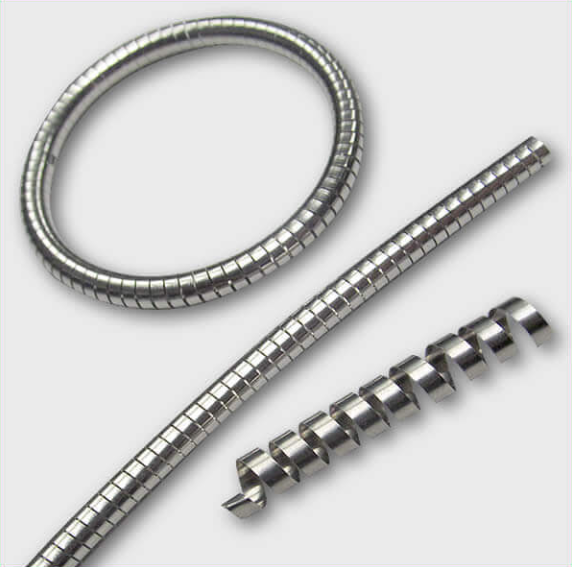
Спиральная трубка представляет собой металлическую пружинную конструкцию с непрерывной намоткой, предназначенную для обеспечения:
- Электропроводность
- Экранирование ЭМИ/РФИ
- Непрерывность заземления
- Соответствие механическим требованиям
- Повторное сжатие
В отличие от традиционных контактов с пальцами или твердых прокладок, спиральные трубки обеспечивают многоточечный токопроводящий контакт с низким контактным сопротивлением и постоянным усилием пружины.
Типичные области применения экранирования электромагнитных помех
- Экранированные электронные корпуса
- Аэрокосмическая авионика
- Системы радиочастотной связи
- Медицинская электроника
- Военная техника
- Системы заземления аккумуляторов
- Заземление разъемов
- Токопроводящие интерфейсы панелей
Почему спиральные трубки эффективны для экранирования электромагнитных помех
1. Непрерывный проводящий путь
Спиральная структура создает множество проводящих точек контакта вдоль сопрягаемой поверхности, повышая эффективность экранирования.
2. Отличное восстановление после сжатия
Спиральные трубки сохраняют силу пружины после многократных циклов сжатия, обеспечивая долговременную надежность экранирования.
3. Низкое контактное сопротивление
Высококачественные проводящие материалы и гальваническое покрытие снижают электрическое сопротивление между сопрягаемыми поверхностями.
4. Устойчивость к вибрации
Эластичная структура поглощает удары и вибрацию, сохраняя непрерывность электрического тока.
5. Адаптация к сложным конструкциям
Спиральные трубки могут иметь различные диаметры, размеры проволоки и конфигурации для различных конструкций канавок и корпусов.
Ключевые факторы при выборе спиральной трубки для экранирования электромагнитных помех
1. Определите требуемую эффективность экранирования
Эффективность экранирования обычно измеряется в децибелах (дБ).
Типичные требования включают:
| Промышленность | Типичные требования к экранированию электромагнитных помех |
|---|---|
| Коммерческая электроника | 40-60 дБ |
| Телекоммуникации | 60-80 дБ |
| Аэрокосмическая и оборонная промышленность | 80-120 дБ |
| Медицинские приборы | 60-100 дБ |
Более высокочастотные среды, как правило, требуют более плотной проводящей целостности и меньшего сопротивления контактов.
2. Выберите правильный материал
Выбор материала оказывает непосредственное влияние:
- Проводимость
- Устойчивость к коррозии
- Механическая прочность
- Температурная способность
- Срок службы при усталости
Распространенные материалы для спиральных трубок
| Материал | Преимущества | Типовые применения |
|---|---|---|
| Нержавеющая сталь | Коррозионная стойкость, долговечность | Общепромышленные |
| Бериллиевая медь | Отличная проводимость и пружинящие свойства | Высокоэффективная защита от электромагнитных помех |
| Elgiloy® | Высокая усталостная прочность | Аэрокосмическая и оборонная промышленность |
| MP35N® | Отличная коррозия и прочность | Морские и медицинские |
| Инконель® | Устойчивость к высоким температурам | Аэрокосмические двигатели |
Советы по выбору материала
- Выберите бериллиевая медь когда приоритет отдается проводимости.
- Используйте нержавеющая сталь когда коррозионная стойкость важнее проводимости.
- Выберите Elgiloy® или MP35N® для применения в условиях повышенной надежности.
3. Оцените варианты нанесения покрытия
Нанесение покрытия значительно улучшает электрические характеристики и коррозионную стойкость.
Распространенные экранирующие пластины для защиты от электромагнитных помех
| Покрытие | Преимущества |
|---|---|
| Серебро | Отличная проводимость |
| Золото | Превосходная коррозионная стойкость |
| Никель | Износостойкость |
| Олово | Экономичная проводимость |
Рекомендуемое покрытие в зависимости от условий окружающей среды
| Окружающая среда | Рекомендуемое покрытие |
|---|---|
| Аэрокосмическая промышленность | Золото или серебро |
| Морской | Золото или никель |
| Промышленность | Никель или олово |
| Высокочастотные радиочастоты | Серебро |
4. Понимание требований к сжатию
Правильное сжатие имеет решающее значение для обеспечения эффективного экранирования электромагнитных помех.
Слишком низкая степень сжатия может стать причиной:
- Плохой электрический контакт
- Повышенная утечка электромагнитных помех
- Нестабильное заземление
Слишком сильное сжатие может привести к:
- Постоянная деформация
- Сокращение срока службы пружин
- Увеличенное усилие введения
Типичный диапазон сжатия
Большинство спиральных труб лучше всего работают в пределах:
15% до 30% сжатие15\% \text{до } 30\% \text{ сжатие}15% до 30% сжатие
Оптимальное сжатие зависит от:
- Диаметр проволоки
- Геометрия трубы
- Жесткость материала
- Требуемые характеристики экранирования
5. Учитывайте требования к сопротивлению контактов
Низкое контактное сопротивление повышает эффективность экранирования и надежность заземления.
Факторы, влияющие на сопротивление контакта, включают:
- Проводимость основного материала
- Покрытие поверхности
- Контактная сила
- Отделка поверхности
- Загрязнение окружающей среды
Типичные цели по контактному сопротивлению
| Приложение | Сопротивление контактов |
|---|---|
| Стандартное электромагнитное экранирование | < 100 мΩ |
| Высокопроизводительные радиочастоты | < 20 мΩ |
| Аэрокосмические системы | < 10 мΩ |
6. Проанализируйте условия окружающей среды
Воздействие окружающей среды сильно влияет на выбор спиральной трубки.
Важные факторы окружающей среды
Температура
Высокие температуры могут снизить эластичность пружины.
| Материал | Типичные температурные возможности |
|---|---|
| Нержавеющая сталь | До 300°C |
| Elgiloy® | До 450°C |
| Инконель® | До 700°C |
Коррозия
Солевые брызги, влажность и химикаты могут повредить проводящие поверхности.
Вибрация и удары
Динамичные среды требуют материалов с высокой усталостной прочностью.
Вакуумное или космическое применение
Для аэрокосмических систем могут потребоваться материалы с низким газовыделением.
7. Соответствие паза и конструкции установки
Правильная конструкция канавки обеспечивает стабильное позиционирование и надежный контакт.
Особенности конструкции канавки
- Ширина канавки
- Глубина канавки
- Степень сжатия
- Допуск на установку
- Плоскостность сопрягаемых поверхностей
Неправильные размеры пазов могут привести к:
- Неравномерное сжатие
- Утечка электромагнитного излучения
- Преждевременный износ
- Неустойчивость контакта
8. Оцените частотный диапазон экранирования
Для разных частот требуются разные стратегии экранирования.
Обзор частотных характеристик
| Диапазон частот | Задача экранирования |
|---|---|
| Низкая частота | Проникновение магнитного поля |
| Средние частоты | Кондуктивные помехи |
| Высокая частота | Поверхностные утечки и зазоры |
Для высокочастотных применений непрерывный токопроводящий контакт приобретает особое значение.
Спиральная трубка в сравнении с другими решениями для экранирования электромагнитных помех
| Решение | Преимущества | Ограничения |
|---|---|---|
| Спиральная трубка | Прочность, низкое сопротивление, долгий срок службы | Требуется более высокая точность |
| Пальцевый запас | Простая установка | Усталость с течением времени |
| Проводящий эластомер | Герметизация окружающей среды | Повышенная устойчивость |
| Прокладка из проволочной сетки | Гибкий | Низкая прочность |
Рекомендации по выбору с учетом специфики отрасли
Аэрокосмическая промышленность
Рекомендуемые характеристики:
- Серебряное или золотое покрытие
- Легкие высокопроизводительные сплавы
- Высокая устойчивость к вибрации
- Низкое контактное сопротивление
Медицинские приборы
Рекомендуемые характеристики:
- Биосовместимые материалы
- Стабильная проводимость
- Устойчивость к коррозии
- Прецизионная миниатюризация
Телекоммуникации
Рекомендуемые характеристики:
- Возможность высокочастотного экранирования
- Низкое усилие вставки
- Длительный срок службы
Автомобильная электроника
Рекомендуемые характеристики:
- Температурная стойкость
- Виброустойчивость
- Экономичное нанесение покрытия
Распространенные ошибки при выборе спиральных трубок
Выбор только по размеру
Электрические характеристики имеют не меньшее значение, чем физические размеры.
Игнорирование совместимости покрытий
Несовместимые металлы могут вызвать гальваническую коррозию.
Чрезмерное сжатие
Чрезмерное сжатие сокращает срок службы пружины.
Недооценка воздействия окружающей среды
Влажность и химические вещества могут быстро ухудшить проводимость.
Неудачный тест прототипа
Испытания на электромагнитную совместимость в реальных условиях необходимы перед началом серийного производства.
Лучшие практики проектирования спиральных трубок для экранирования электромагнитных помех
Работайте с индивидуальной инженерной поддержкой
Индивидуальные решения часто обеспечивают значительно лучшие характеристики экранирования.
Проверка с помощью испытаний на электромагнитную совместимость
Тестирование должно включать в себя:
- Эффективность экранирования
- Контактное сопротивление
- Компрессионный велоспорт
- Старение окружающей среды
- Устойчивость к вибрации
Учитывайте долгосрочную надежность
Самый недорогой вариант может раньше выйти из строя в суровых условиях.
Будущие тенденции в спиральных трубках для экранирования электромагнитных помех
Будущее технологии экранирования электромагнитных помех движется вперед:
- Миниатюрная электроника
- Высокочастотная связь
- Легкие аэрокосмические системы
- Электроника для электромобилей
- Усовершенствованные проводящие покрытия
- Гибридные проводящие материалы
Поскольку требования к электромагнитным помехам становятся все более жесткими, прецизионные спиральные трубки будут продолжать играть важную роль в разработке надежных электронных систем.
Заключение
Выбор подходящей спиральной трубки для экранирования электромагнитных помех требует соблюдения баланса между электрическими характеристиками, механической надежностью, устойчивостью к воздействию окружающей среды и требованиями к установке.
Идеальное решение зависит от:
- Цели эффективности экранирования
- Проводимость материала
- Характеристики сжатия
- Операционная среда
- Диапазон частот
- Ожидания долговечности
Тщательно оценив эти факторы и проведя испытания в реальных условиях, инженеры могут значительно повысить надежность экранирования электромагнитных помех и улучшить долгосрочные характеристики системы.
Высококачественные решения на основе спиральных трубок не только снижают уровень электромагнитных помех, но и повышают стабильность заземления, долговечность оборудования и общую надежность продукции в критически важных отраслях промышленности.