Häufige Fehler bei der Auswahl von Spiralfedern für Ingenieure
Entdecken Sie die häufigsten Fehler, die Ingenieure bei der Auswahl von Spiralfedern machen, und erfahren Sie, wie Sie die richtige Feder für Dichtungs-, EMI-Abschirmungs- und elektrische Kontaktanwendungen auswählen. Verbessern Sie Zuverlässigkeit, Leistung und Produktlebensdauer.
Häufige Fehler bei der Auswahl von Spiralfedern für Ingenieure
Einführung
Kantige Spiralfedern sind in Branchen wie Luft- und Raumfahrt, Medizintechnik, Halbleiterherstellung, Öl und Gas sowie Elektronik weit verbreitet. Dank ihrer einzigartigen Schraubengeometrie bieten sie eine niedrige und vorhersehbare Federkraft, hervorragende Leitfähigkeit, lange Lebensdauer und zuverlässige Dichtungsleistung.
Dennoch machen viele Ingenieure immer noch kritische Fehler bei der Auswahl. Die Wahl der falschen kantigen Spiralfeder kann zu Dichtungsfehlern, instabilem elektrischem Kontakt, EMI-Leckagen, vorzeitigem Verschleiß oder übermäßiger Einsteckkraft führen.
Dieser Artikel erklärt die häufigsten Fehler, die Ingenieure bei der Auswahl von Schraubenfedern machen, und wie man sie vermeiden kann, um die Zuverlässigkeit des Systems zu erhöhen und die langfristigen Kosten zu senken.
Was ist eine gebogene Spiralfeder?
A Schrägzugfeder ist eine Schraubenfeder, die aus Drahtwindungen besteht, die in einem bestimmten Winkel (Überhöhung) zur Federachse angeordnet sind. Im Gegensatz zu herkömmlichen Druckfedern bieten schräge Schraubenfedern:
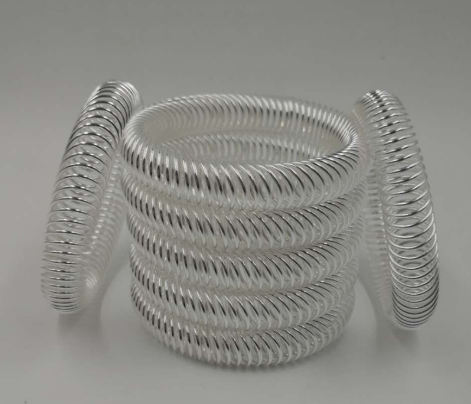
- Geringe Schließkraft
- Großer Arbeitsbereich der Ablenkung
- Nahezu konstante Federkraft
- Ausgezeichnete Leitfähigkeit
- Lange Lebensdauer
Sie werden häufig verwendet in:
- Federunterstützte Dichtungen
- EMI-Abschirmung
- Elektrische Anschlüsse
- Batteriekontakte
- Medizinische Geräte
- Luft- und Raumfahrtsysteme
Warum die richtige Auswahl der Feder wichtig ist
Die Wahl der richtigen schrägen Schraubenfeder wirkt sich direkt aus:
| Leistungsfaktor | Auswirkungen einer fehlerhaften Auswahl |
|---|---|
| Verlässliche Versiegelung | Leckage oder Druckverlust |
| Elektrische Leitfähigkeit | Hoher Durchgangswiderstand |
| EMI-Abschirmung | Signalstörungen |
| Mechanische Lebensdauer | Frühzeitiges Ermüdungsversagen |
| Montageleistung | Übermäßige Einführungskraft |
| Produktkosten | Verstärkte Wartung und Umgestaltung |
Selbst kleine Konstruktionsfehler können bei kritischen Anwendungen zu großen Zuverlässigkeitsproblemen führen.
1. Ignorieren der Last-Durchbiegungsmerkmale
Einer der häufigsten Fehler besteht darin, eine Feder nur nach der Größe und nicht nach dem Last-Durchbiegungsverhalten auszuwählen.
Gekantete Schraubenfedern sind speziell dafür ausgelegt, eine kontrollierte Federkraft über einen großen Einfederungsbereich zu liefern. Ingenieure wählen manchmal eine Feder mit:
- Überhöhte Federkraft
- Unzureichende Arbeitsablenkung
- Ungeeignete Lastkurve
Dies kann dazu führen:
- Übermäßiger Verschleiß
- Schwierige Montage
- Beschädigung der Dichtung
- Elektrische Instabilität
Wie man sie vermeidet
Immer bewerten:
- Arbeitsbereich der Ablenkung
- Anfängliche Einsteckkraft
- Betriebslast
- Endgültige Druckkraft
Fordern Sie vor der endgültigen Festlegung der Konstruktion vom Hersteller Daten zur Lastverformung an.
2. Die Wahl des falschen Federmaterials
Die Auswahl des Materials ist entscheidend für die langfristige Leistung.
Unterschiedliche Umgebungen erfordern unterschiedliche Legierungen. Ein Federwerkstoff, der unter industriellen Standardbedingungen gut funktioniert, kann unter anderen Bedingungen versagen:
- Kryogenische Temperaturen
- Hohe Hitze
- Ätzende Chemikalien
- Vakuum-Umgebungen
- Anwendungen in der Schifffahrt
Gängige Materialien und Anwendungen
| Material | Typische Anwendungen |
|---|---|
| Rostfreier Stahl 302/316 | Allgemeine industrielle Nutzung |
| Elgiloy®. | Korrosive und medizinische Umgebungen |
| MP35N®. | Luft- und Raumfahrt und Hochleistungssysteme |
| Inconel®. | Hochtemperaturanwendungen |
| Beryllium-Kupfer | Hohe Anforderungen an die Leitfähigkeit |
Häufiger Irrtum
Die Wahl von rostfreiem Stahl für stark korrosive Umgebungen führt häufig zu Korrosionsermüdung und einer geringeren Lebensdauer der Feder.
3. Elektrische Anforderungen übersehen
Viele Ingenieure konzentrieren sich nur auf die mechanische Kraft und vernachlässigen die elektrische Leistung.
Bei elektrischen Kontaktanwendungen kann eine schlechte Federauswahl zu Problemen führen:
- Hoher Durchgangswiderstand
- Signalinstabilität
- Wärmeerzeugung
- Leistungsverlust
Wichtige elektrische Faktoren
- Leitfähigkeit
- Kontaktkraft
- Oberflächenbeschichtung
- Aktuelle Tragfähigkeit
- Oxidationsbeständigkeit in der Umwelt
Je nach Anwendung kann eine Vergoldung, Versilberung, Vernickelung oder Verzinnung erforderlich sein.
4. Falsches Rillendesign
Selbst eine richtig ausgewählte Feder kann versagen, wenn die Abmessungen der Rillen nicht stimmen.
Häufige Probleme im Zusammenhang mit Rillen sind:
- Exzessive Kompression
- Unzureichende Federrückhaltung
- Ungleichmäßige Kraftverteilung
- Verformung der Feder
Typische Fehler bei der Rillengestaltung
| Irrtum | Ergebnis |
|---|---|
| Zu flache Rille | Überkomprimierung |
| Rille zu tief | Geringe Kontaktkraft |
| Scharfe Rillenkanten | Schäden im Frühjahr |
| Schlechte Toleranzkontrolle | Inkonsistente Leistung |
Die Hersteller geben oft empfohlene Rillenmaße an, die sorgfältig eingehalten werden sollten.
5. Ignorieren der Umweltbedingungen
Die Umweltbedingungen haben einen erheblichen Einfluss auf die Leistung der Feder.
Kritische Umweltfaktoren
- Temperaturbereich
- Luftfeuchtigkeit
- Chemische Belastung
- Vakuum-Bedingungen
- Druckzyklus
- Exposition gegenüber Salznebel
Zum Beispiel:
- Niedrige Temperaturen können die Elastizität verringern
- Hohe Temperaturen können zu Stressabbau führen
- Vakuumumgebungen erfordern Materialien mit geringer Ausgasung
Die Nichtbeachtung dieser Faktoren kann die Lebensdauer der Feder drastisch verkürzen.
6. Auswahl zu hoher Kraftniveaus
Viele Ingenieure gehen davon aus, dass eine höhere Federkraft immer die Zuverlässigkeit verbessert.
In der Realität kann übermäßige Gewalt entstehen:
- Beschleunigter Verschleiß
- Höhere Reibung
- Beschädigung der Dichtung
- Erhöhte Einsteckkraft
- Kürzere Lebensdauer des Produkts
Gekantete Schraubenfedern sind wertvoll, weil sie eine optimale Kraft bei minimalem Verschleiß bieten.
Die ideale Konstruktion verwendet die geringste Kraft, die für einen zuverlässigen Kontakt oder eine Abdichtung erforderlich ist.
7. Dynamische vs. statische Anwendungen werden nicht berücksichtigt
Statische Dichtungen und dynamische Dichtungen erfordern unterschiedliche Federeigenschaften.
Statische Anwendungen
In der Regel erforderlich:
- Stabile Langzeitbelastung
- Korrosionsbeständigkeit
- Minimale Entspannung
Dynamische Anwendungen
Erfordern:
- Geringe Reibung
- Ermüdungsfestigkeit
- Konstante Leistung beim Radfahren
- Geringerer Verschleiß
Die Verwendung einer für statische Bedingungen optimierten Feder in dynamischen Systemen führt häufig zu einem vorzeitigen Ausfall.
8. Vernachlässigung der EMI-Abschirmungsleistung
Bei EMI-Abschirmungsanwendungen sind sowohl die Federgeometrie als auch die Leitfähigkeit entscheidend.
Häufige Fehler sind:
- Unzureichende Kontaktdichte
- Falsche Beschichtung
- Schlechter Sitz des Gehäuses
- Unzureichende Kompression
Dies kann zu elektromagnetischen Leckagen und Systemstörungen führen.
Branchen wie die Luft- und Raumfahrt, die Telekommunikation und die Verteidigungsindustrie benötigen eine äußerst zuverlässige EMI-Abschirmung.
9. Keine Tests unter realen Bedingungen
Die Leistung im Labor entspricht nicht immer den tatsächlichen Betriebsbedingungen.
Manche Ingenieure verzichten auf Prototypentests, um die Entwicklungszeit zu verkürzen, was jedoch das Risiko erhöht:
- Unerwartetes Ermüdungsversagen
- Chemische Unverträglichkeit
- Probleme mit der Wärmeausdehnung
- Probleme bei der Montage
Empfohlene Validierungstests
| Test Typ | Zweck |
|---|---|
| Komprimiertes Radfahren | Bewertung der Ermüdungslebensdauer |
| Salzsprühnebeltest | Korrosionsbeständigkeit |
| Thermisches Zyklieren | Temperaturbeständigkeit |
| Prüfung des Kontaktwiderstands | Elektrische Leistung |
| Vakuumprüfung | Überprüfung der Ausgasung |
10. Nur auf die Anfangskosten achten
Preisgünstige Federn mögen auf den ersten Blick verlockend erscheinen, aber minderwertige Federn verursachen oft Probleme:
- Höhere Wartungskosten
- Produktrückrufe
- Ausfallzeit
- Geringere Zuverlässigkeit
- Kürzere Nutzungsdauer
Hochwertige kantige Schraubenfedern bieten eine bessere Konsistenz, engere Toleranzen und eine bessere Langzeitleistung.
In kritischen Branchen ist Zuverlässigkeit in der Regel wertvoller als kleine Einsparungen im Voraus.
Bewährte Praktiken für die Auswahl von Canted Coil-Federn
Empfohlenes Auswahlverfahren
- Definieren Sie die Betriebsumgebung
- Erforderliche Federkraft bestimmen
- Ablenkungsbereich auswerten
- Geeignetes Material auswählen
- Bestätigen Sie die elektrischen Anforderungen
- Optimieren der Rillenabmessungen
- Prototyp und Test
- Validierung der langfristigen Leistung
Wie HANDA Engineering-Projekte unterstützt
Als professioneller Hersteller von schrägen Spiralfedern bietet HANDA:
- Unterstützung bei der Entwicklung individueller Federn
- Anleitung zur Materialauswahl
- Empfehlungen zum Rillendesign
- Herstellung von Prototypen
- Hochpräzise Produktion
- Optimierung von Elektrik und Dichtung
- OEM und kundenspezifische technische Lösungen
HANDA-Schrägzugfedern sind weit verbreitet in:
- Luft- und Raumfahrt
- Medizinische Geräte
- Halbleiter-Systeme
- Öl- und Gasausrüstung
- EMI-Abschirmungsanwendungen
- Leistungsstarke elektrische Steckverbinder
Schlussfolgerung
Die Auswahl der richtigen Schrägzugfeder erfordert mehr als die Auswahl einer Standardgröße. Ingenieure müssen die Belastungseigenschaften, die Materialverträglichkeit, die Umgebungsbedingungen, das Nutendesign, die elektrische Leistung und die langfristige Zuverlässigkeit sorgfältig bewerten.
Wenn Sie diese häufigen Auswahlfehler vermeiden, können Sie Ihre Chancen deutlich verbessern:
- Lebensdauer des Produkts
- Zuverlässigkeit der Versiegelung
- Elektrische Leistung
- Wirksamkeit der EMI-Abschirmung
- Stabilität des Gesamtsystems
Durch die Zusammenarbeit mit einem erfahrenen Hersteller und die Durchführung geeigneter Validierungstests können Ingenieure selbst bei den anspruchsvollsten Anwendungen eine optimale Leistung erzielen.