Verhindern Sie Kraftverluste bei kantigen Spiralfedern
Entdecken Sie die Ursachen und Lösungen für den Kraftverlust bei geneigten Schraubenfedern, um die Zuverlässigkeit und Effizienz des Systems zu verbessern. Gewährleisten Sie Langlebigkeit mit proaktiven Wartungsstrategien.
Verstehen, warum schräge Schraubenfedern Der Verlust ihrer Kraft ist entscheidend für die Aufrechterhaltung der Effizienz und Langlebigkeit von mechanischen Systemen. Diese Federn, die für ihr einzigartiges Design und ihre Funktionalität bekannt sind, sind integrale Bestandteile in verschiedenen Anwendungen, von der Luft- und Raumfahrt bis hin zu medizinischen Geräten. Wie jedes mechanische Element sind sie jedoch anfällig für Ausfälle, was zu erheblichen Betriebsstörungen führen kann.
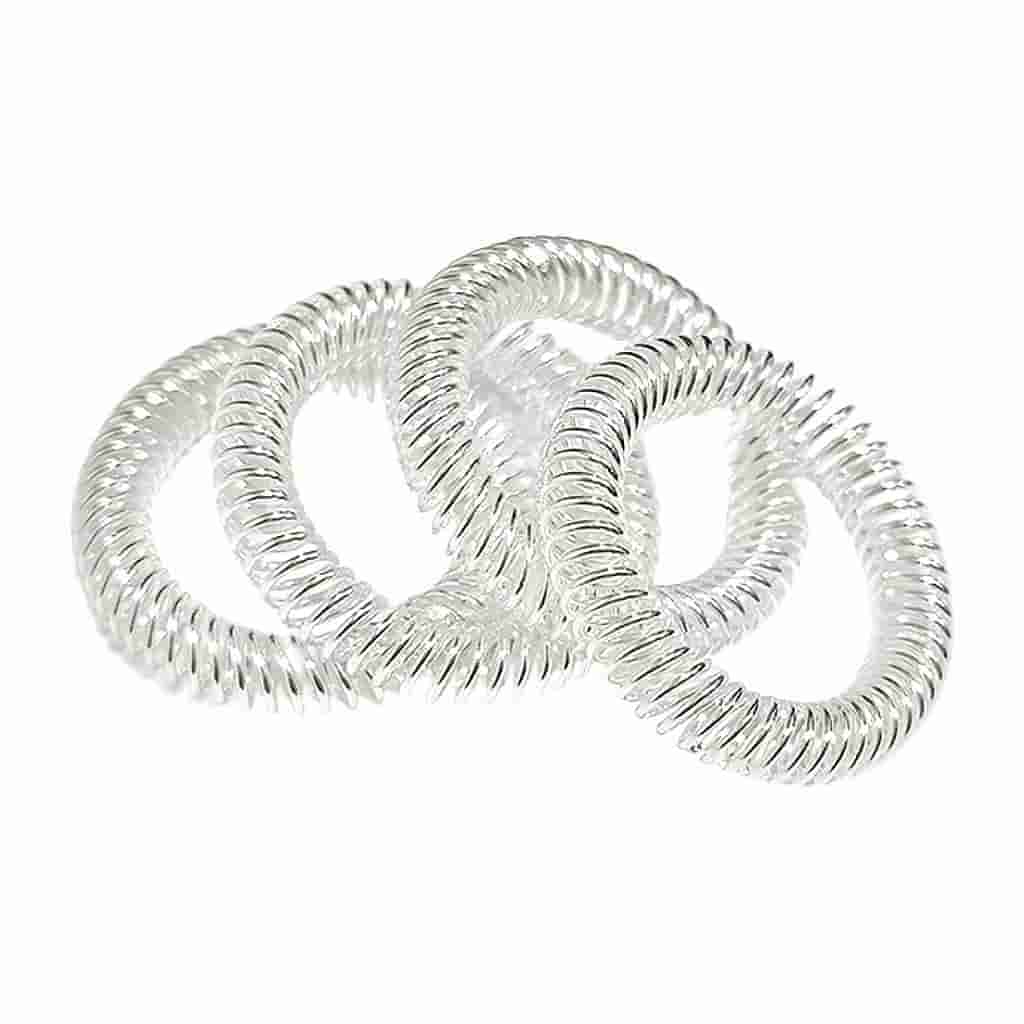
In diesem Artikel gehen wir auf die häufigsten Ursachen für den Kraftverlust bei kantigen Schraubenfedern ein und bieten praktische Lösungen für diese Herausforderungen an. Unser Ziel ist es, Ihnen das Wissen zu vermitteln, mit dem Sie potenzielle Probleme frühzeitig erkennen und wirksame Strategien zur Verlängerung der Lebensdauer Ihrer Federn umsetzen können.
Kantige Schraubenfedern, auch bekannt als schräge Schraubenfedern, zeichnen sich durch ihre abgewinkelte Spulenform aus. Diese einzigartige Konfiguration ermöglicht es ihnen, eine gleichmäßige Kraft über einen großen Verformungsbereich zu liefern. Sie werden häufig in Anwendungen eingesetzt, die eine präzise Kraft und zuverlässige Leistung erfordern, z. B. in elektrischen Steckern, Dichtungen und Schwingungsdämpfern.
Ihre Konstruktion bietet mehrere Vorteile, darunter eine geringe Betriebsbelastung, eine hohe Tragfähigkeit und die Fähigkeit, die Kontaktkraft auch bei Fehlausrichtung aufrechtzuerhalten. Trotz dieser Vorteile können sie jedoch mit der Zeit an Kraft verlieren.
Häufige Ursachen für das Versagen von Schraubenfedern
Materialermüdung
Einer der Hauptgründe für den Kraftverlust bei schrägen Schraubenfedern ist die Materialermüdung. Im Laufe der Zeit können die wiederholte Belastung und Beanspruchung der Feder Mikrorisse im Material verursachen, was zu einer allmählichen Abnahme der Leistung führt.
Überlastung
Eine weitere häufige Ursache für Kraftverluste ist Überlastung. Wird eine Feder mit Kräften belastet, die über ihre Auslegungsgrenzen hinausgehen, kann sie dauerhaft verformt werden. Diese Verformung verringert die Fähigkeit der Feder, in ihre ursprüngliche Form zurückzukehren, was zu einem Kraftverlust führt.
Umweltfaktoren
Auch Umweltbedingungen können sich auf die Leistung von Schraubenfedern auswirken. Extreme Temperaturen, korrosive Substanzen oder hohe Luftfeuchtigkeit können den Materialverschleiß beschleunigen und zu einem vorzeitigen Ausfall führen.
Schlechte Installation
Ein unsachgemäßer Einbau kann zu einer Fehlausrichtung oder einer ungleichmäßigen Verteilung der Belastung auf die Feder führen. Diese Fehlausrichtung kann zu ungleichmäßigem Verschleiß führen, was mit der Zeit einen Kraftverlust zur Folge hat.
Erkennen von Anzeichen für Kraftverlust
Um schwerwiegende Ausfälle zu vermeiden, ist es wichtig, die Anzeichen für einen Kraftverlust bei kantigen Schraubenfedern frühzeitig zu erkennen. Häufige Indikatoren sind:
- Verminderte Leistung: Wenn das System nicht die erwartete Leistung erbringt, könnte dies auf einen Kraftverlust in den Federn zurückzuführen sein.
- Sichtbare Abnutzung: Bei einer physischen Inspektion können Verschleiß oder Verformungen der Federn festgestellt werden.
- Ungewöhnliche Geräusche: Eine Veränderung des Geräuschs des Systems während des Betriebs kann auf ein Problem mit den Federn hinweisen.
Lösungen zur Verhinderung von Kraftverlust
Regelmäßige Wartung
Ein regelmäßiger Wartungsplan kann helfen, potenzielle Probleme zu erkennen, bevor sie zu einem Totalausfall führen. Regelmäßige Inspektionen können Verschleißerscheinungen aufdecken und einen rechtzeitigen Austausch oder eine Anpassung ermöglichen.
Richtige Materialauswahl
Die Wahl des richtigen Materials für Ihre schrägen Schraubenfedern ist entscheidend. Die Werkstoffe sollten entsprechend der Betriebsumgebung und den Belastungsanforderungen ausgewählt werden. So sind beispielsweise Edelstahl oder andere korrosionsbeständige Materialien ideal für Umgebungen, die Feuchtigkeit oder Chemikalien ausgesetzt sind.
Korrekter Einbau
Der richtige Einbau ist der Schlüssel zur Vermeidung von Kraftverlusten. Die Federn sollten gemäß den Herstellerangaben eingebaut werden, um sicherzustellen, dass sie nicht übermäßig belastet oder falsch ausgerichtet werden.
Belastungstests
Die Durchführung von Belastungstests kann dazu beitragen, zu überprüfen, ob Federn innerhalb ihrer vorgegebenen Parameter funktionieren. Durch diese Tests können Abweichungen von der erwarteten Leistung festgestellt und Korrekturmaßnahmen eingeleitet werden.
Schutz der Umwelt
Wenn Ihre Federn in rauen Umgebungen eingesetzt werden, sollten Sie Schutzbeschichtungen oder Gehäuse in Betracht ziehen, um sie vor korrosiven Elementen zu schützen. Dieser Schutz kann die Lebensdauer der Federn verlängern und ihre Kraftleistung aufrechterhalten.
Fallstudie: Erfolgreiche Implementierung
In einem Fertigungsunternehmen kam es zu häufigen Ausfällen von Schraubenfedern, die in einer Hochtemperaturanwendung eingesetzt wurden. Nach einer Analyse der Situation führte das Unternehmen mehrere Änderungen ein:
- Material-Upgrade: Sie wechselten zu einer Hochtemperaturlegierung, um den Betriebsbedingungen besser standhalten zu können.
- Schutzbeschichtungen: Hinzufügen einer korrosionsbeständigen Beschichtung zum weiteren Schutz der Federn.
- Routineinspektionen: Einführung eines häufigeren Inspektionsplans zur Überwachung der Frühjahrsleistung.
Diese Änderungen führten zu einer deutlichen Verringerung der Federausfälle und einer verbesserten Zuverlässigkeit des Systems.
Schlussfolgerung
Kantige Schraubenfedern sind lebenswichtige Komponenten, die zur Gewährleistung einer optimalen Leistung einer sorgfältigen Prüfung bedürfen. Das Verständnis der Ursachen für den Kraftverlust und die Implementierung geeigneter Lösungen kann ihre Langlebigkeit und Zuverlässigkeit erheblich verbessern. Indem Sie sich auf die Materialauswahl, den richtigen Einbau, die regelmäßige Wartung und den Schutz der Umwelt konzentrieren, können Sie die mit dem Ausfall von Schraubenfedern verbundenen Risiken verringern.
Wenn Sie diese Strategien in Ihren Wartungsplan aufnehmen, können Sie die Effizienz Ihrer Systeme aufrechterhalten und kostspielige Ausfallzeiten vermeiden. Unabhängig davon, ob Sie mit Federn in Industriemaschinen, medizinischen Geräten oder in der Luft- und Raumfahrt arbeiten, können Sie mit diesen Erkenntnissen sicherstellen, dass Ihre schrägen Schraubenfedern während ihrer gesamten Lebensdauer eine gleichbleibende Leistung erbringen.