Custom O-Ring Gaskets: The Ultimate Guide to Materials, Sizes & Manufacturing
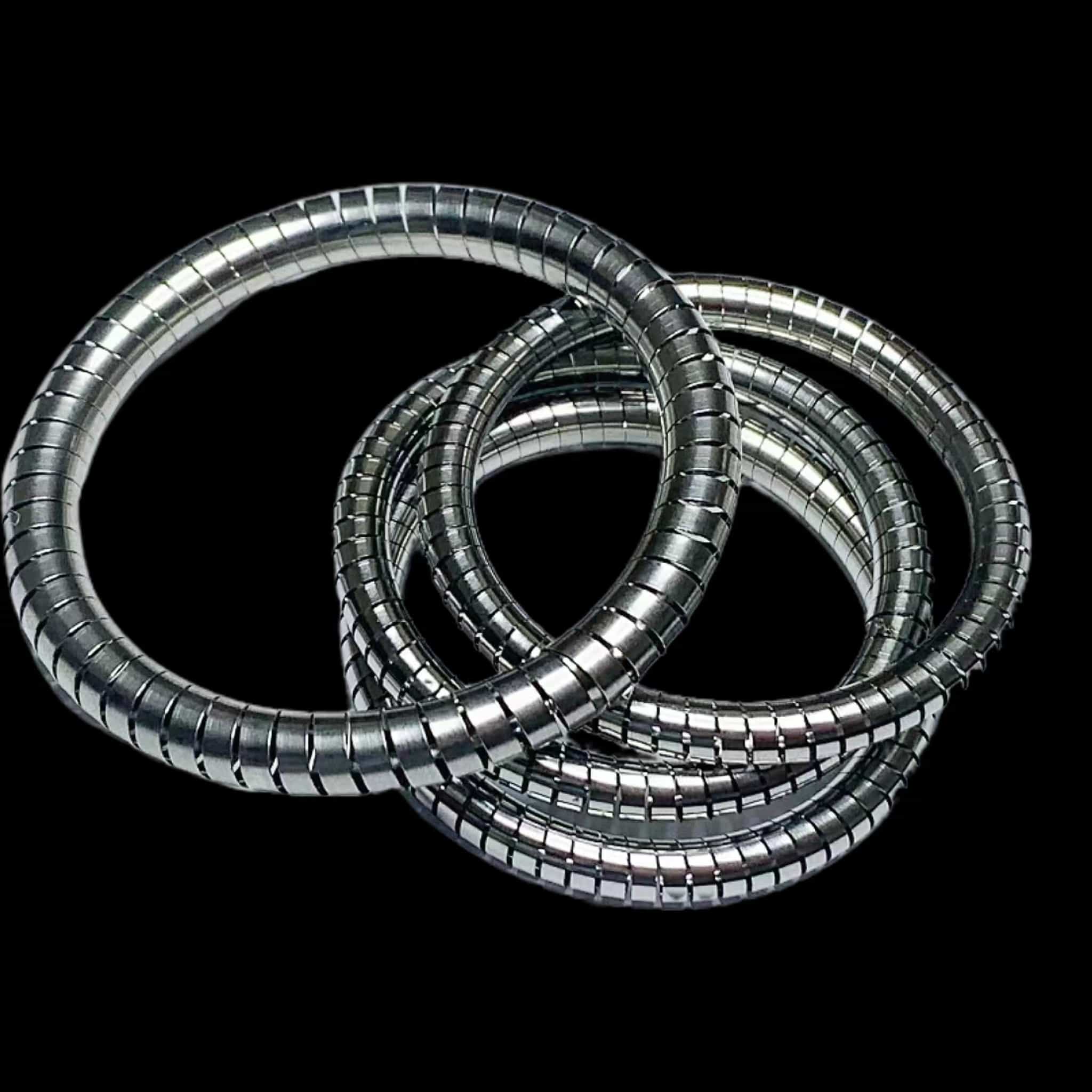
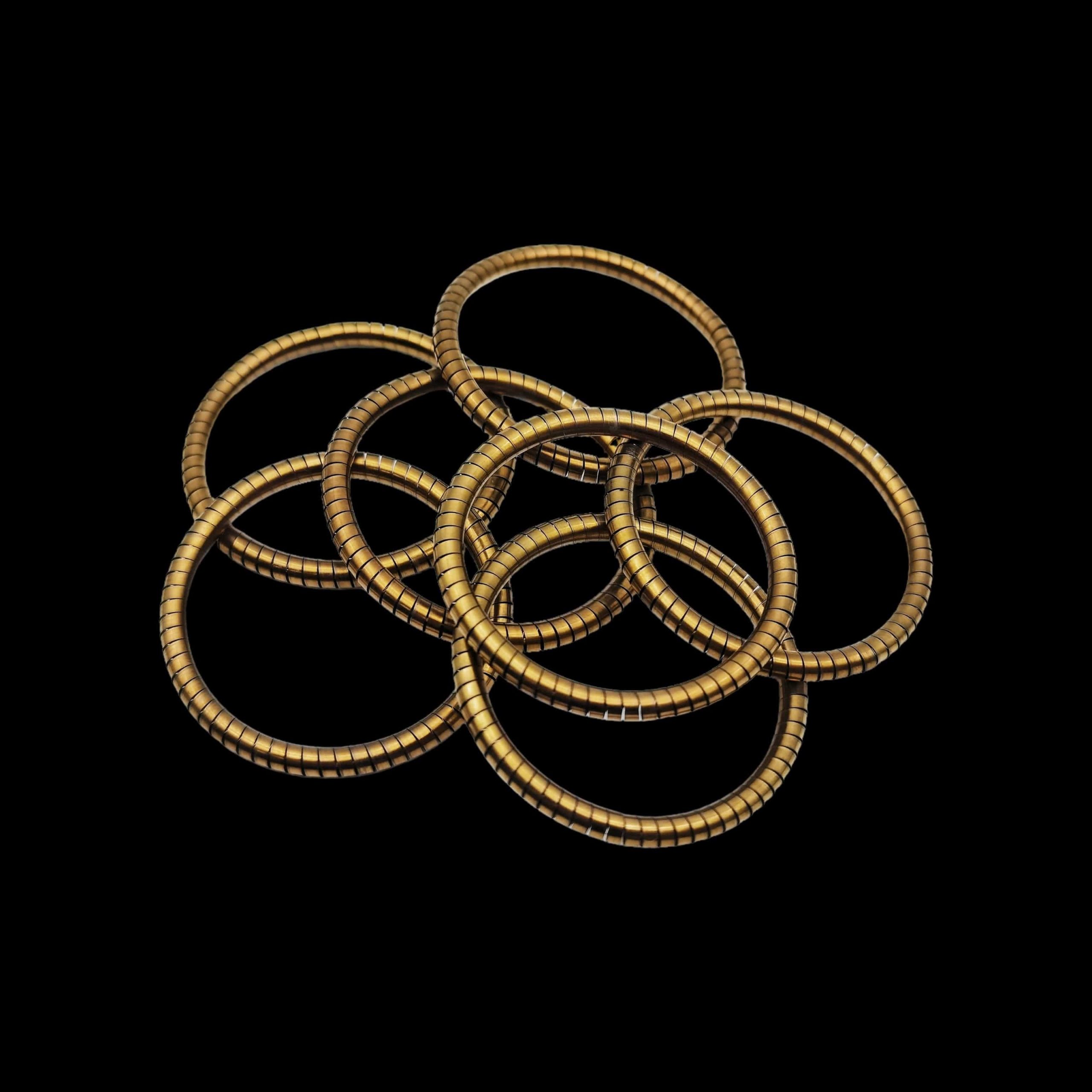
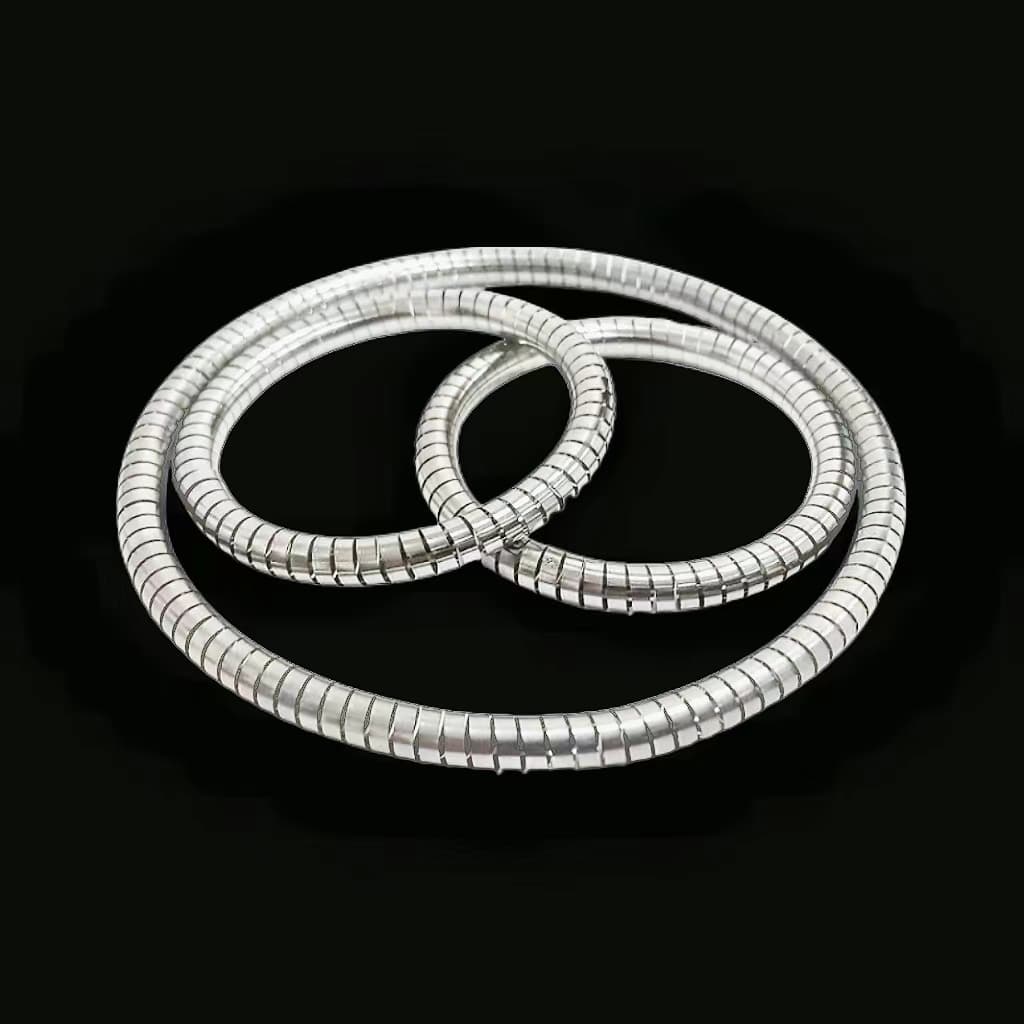
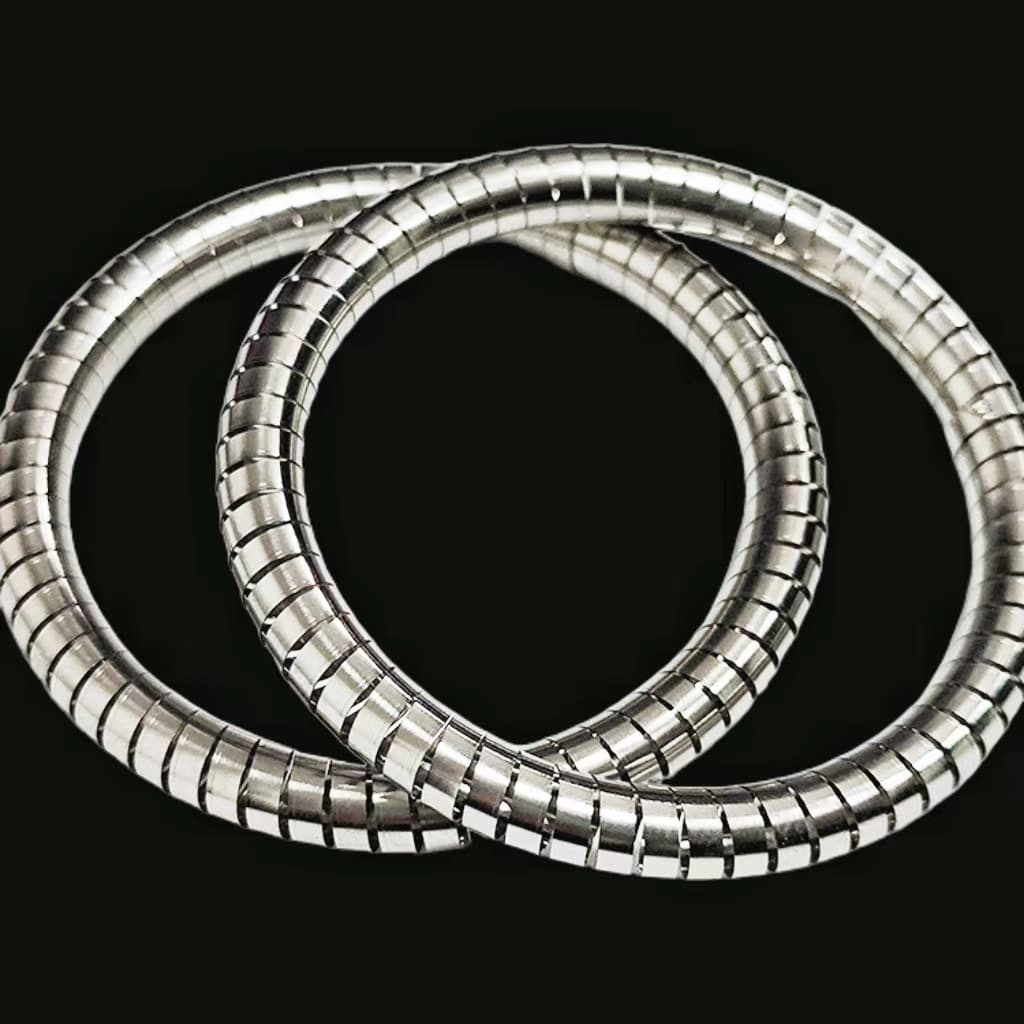
Custom O-Ring Gaskets are precision-engineered sealing solutions designed for applications where standard off-the-shelf O-rings cannot meet dimensional, material, or performance requirements. Manufactured from a wide range of elastomers including Nitrile (NBR), Fluorocarbon (FKM/Viton®), Silicone, EPDM, and FFKM, these custom seals provide reliable fluid and gas containment across diverse industries—from aerospace and automotive to medical devices and semiconductor processing.
Key Advantages
-
Tailored Dimensions: Available in any size, from micro-miniature (under 1mm ID) to massive diameters (up to 600″), with tight tolerances down to ±0.002″.
-
Material Flexibility: Custom compounds formulated for specific chemical compatibility, temperature extremes (-60°C to 327°C), and regulatory compliance (FDA, USP Class VI, NSF).
-
Multiple Manufacturing Options: Choose from extrusion & vulcanizing (no tooling, fast turnaround), CNC machining (ideal for prototypes and low volumes), or compression/injection molding (for high-volume production).
Typical Applications
-
Static & dynamic sealing in hydraulic systems, pumps, and valves
-
Medical devices requiring biocompatible materials
-
Food processing equipment with FDA-compliant seals
-
Chemical handling and ultra-high vacuum systems
Available with engineering support, material certifications, and custom packaging. Contact us for a quote tailored to your specific application.
O-rings are among the most widely used sealing elements in hydraulic, pneumatic, automotive, aerospace, and industrial systems worldwide. Despite their simple donut-shaped appearance, these components play a critical role in preventing fluid and gas leakage under diverse operating conditions .
For engineers and procurement specialists facing unique application requirements, custom O-ring gaskets offer the precision, material optimization, and dimensional flexibility that standard off-the-shelf products cannot provide. This comprehensive guide explores everything you need to know about custom O-ring gaskets—from material selection and size specifications to manufacturing processes and industry applications.
What Are Custom O-Ring Gaskets?
An O-ring is a circular mechanical gasket with a round cross-section manufactured from elastomeric or polymer materials. When installed in a gland or groove, O-rings create a sealing interface between two mating parts by deforming elastically under compression .
Custom O-ring gaskets differ from standard O-rings in several key ways:
- Non-standard dimensions: Designed for applications where standard sizes (such as AS568 dash numbers) don’t fit
- Specialized materials: Formulated with custom compounds for specific chemical or temperature requirements
- Unique cross-sections: Beyond the typical round profile, custom O-rings can feature square, D-shaped, or other geometries
- Application-specific properties: Tailored hardness, color, or physical characteristics for particular industries
O-Ring Materials: Selecting the Right Compound
Material selection is the most critical decision affecting an O-ring’s performance and longevity. Different elastomers offer varying levels of chemical resistance, temperature tolerance, and mechanical properties .
Common O-Ring Materials Comparison
Material Selection Criteria
When choosing a material for custom O-ring gaskets, consider these factors:
- Fluid compatibility: The elastomer must resist swelling, softening, or hardening when exposed to process fluids
- Temperature range: Both continuous operating temperatures and peak excursions affect material choice
- Pressure requirements: Higher pressures may require harder compounds or backup rings
- Dynamic vs. static application: Moving applications require better wear resistance and lubrication
- Regulatory compliance: FDA, USP Class VI, or NSF certifications for food, medical, or potable water contact
- Hardness (Shore A) : Typically ranging from 30 to 90 Shore A; softer compounds seal better under low compression but may extrude under pressure
Specialty materials are also available for unique requirements:
- Conductive silicone for EMI/RFI shielding applications
- Fluorosilicone (FVMQ) for fuel systems requiring low-temperature flexibility
- Platinum-cured silicone for medical and biopharmaceutical applications
- Food-grade silicones compliant with FDA and BgVV standards
Custom O-Ring Sizes and Standards
Standard Size Systems
While custom O-rings are designed to non-standard dimensions, understanding standard sizing systems provides a useful reference:
- AS568 (Aerospace Size Standard) : The most widely used O-ring size standard in North America, specifying inside diameters, cross-sections, and dash numbers
- ISO 3601: International standard for O-ring dimensions, tolerances, and quality requirements
- Metric sizes: Common in European and Asian applications
Custom Size Capabilities
Modern custom O-ring manufacturers can produce virtually any size imaginable:
- Diameter range: From micro-miniature sizes as small as 0.004″ ID up to massive 600″ diameters
- Cross-section range: From 0.062″ to 2.0″ (approximately 1.5mm to 50mm)
- Tolerances: Precision manufacturing can achieve tight tolerances, with some manufacturers holding ±0.002″ on critical dimensions
Micro-miniature O-rings deserve special mention. Advanced molding and deflashing equipment enable production of incredibly small seals—the world’s smallest O-ring measures just 0.004″ cross-section × 0.004″ ID . These micro-seals are essential for compact electronic controls, medical devices, and miniature fluid systems.
Groove Design Considerations
For optimal performance, custom O-rings require properly designed gland dimensions:
- Compression ratio: Typically 10-30% depending on application (static vs. dynamic)
- Fill percentage: Groove cross-sectional area should be 5-15% larger than the O-ring cross-section
- Surface finish: Mating surfaces should have appropriate finish to prevent wear and extrusion
- Clearance gaps: Must be controlled to prevent extrusion under pressure
Manufacturing Processes for Custom O-Ring Gaskets
Custom O-rings can be produced through several manufacturing methods, each offering distinct advantages:
1. Compression Molding
The most common method for producing custom O-rings:
- Raw elastomer is placed in a heated mold cavity
- Pressure compresses the material to fill the cavity
- Heat cures (vulcanizes) the rubber
- Suitable for medium to high volumes
2. Injection Molding
- Material is heated and forced into a closed mold under pressure
- Faster cycle times than compression molding
- Excellent dimensional consistency
- Ideal for high-volume production
3. Transfer Molding
- Combines elements of compression and injection molding
- Good for complex geometries and insert molding
4. Extrusion and Vulcanizing (Cut & Bond)
Preferred method for many custom applications, especially for prototypes and low-to-medium volumes :
- Continuous lengths of O-ring cord are extruded in the desired material and cross-section
- The cord is cut to precise length (developed length)
- Ends are joined using heat vulcanization with the same polymer compound
- Advantages include no tooling costs, reduced lead times, and better surface finish with zero flash
5. CNC Machining (Turned O-Rings)
An innovative approach for non-standard O-rings:
- O-rings are machined from solid material blanks using CNC lathes
- Not limited by traditional molding tooling constraints
- Can produce any shape, any size, and any material
- Ideal for prototypes, custom compounds, or low quantities (MOQ as low as 10 pieces)
- Suitable for hard materials like PTFE, PEEK, and high-durometer compounds
6. Splicing
- For very large diameters or specific lengths
- Ends are chemically or heat-bonded
- Common for field repairs and oversized seals
Manufacturing Quality Control
Reputable custom O-ring manufacturers implement rigorous quality control measures:
- In-process and final inspections
- Positive Material Identification (PMI) services upon request
- ISO 9001 certified manufacturing systems
- Testing capabilities including hardness, tensile strength, compression set, and chemical compatibility
Industry Applications for Custom O-Ring Gaskets
Custom O-ring gaskets serve critical functions across virtually every industry sector:
Aerospace Industry
Aerospace demands the highest reliability standards. O-rings seal fuel delivery systems, hydraulic actuators, landing gear mechanisms, and environmental control systems. They must perform flawlessly under extreme temperature fluctuations and low-pressure conditions .
Preferred materials: Silicone and fluorocarbon (FKM/Viton®) for thermal stability and resistance to aviation fuels .
Automotive Industry
Custom O-rings seal engines, transmissions, braking systems, and fuel systems, preventing leakage of oils, fuels, and coolants in demanding environments with heat, vibration, and chemical exposure .
Preferred materials: Nitrile (NBR) for petroleum resistance, with fluorocarbon for high-temperature applications .
Medical and Pharmaceutical
Medical devices require biocompatible materials meeting FDA and USP Class VI standards. Applications include surgical instruments, drug delivery pumps, diagnostic equipment, and implantable devices .
Preferred materials: Platinum-cured silicone, medical-grade EPDM, and specialized biocompatible compounds .
Food and Beverage Processing
O-rings in food contact applications must resist cleaning agents, high-temperature sterilization, and comply with FDA regulations .
Preferred materials: Food-grade silicone, EPDM, and specialty compounds resistant to CIP/SIP cleaning.
Semiconductor and Chemical Processing
Ultra-pure and chemically resistant seals are essential for wafer processing, etching equipment, and aggressive chemical handling .
Preferred materials: FFKM (Perfluoroelastomer), PTFE, and specialized high-purity compounds .
Oil, Gas, and Petroleum
Downhole tools, valves, and processing equipment require seals that withstand high pressure, sour gas, and aggressive hydrocarbons .
Preferred materials: High-performance fluorocarbons, FFKM, and specialty elastomers.
Marine and Offshore
Constant exposure to saltwater, pressure, and weather demands exceptional environmental resistance .
Preferred materials: EPDM for water resistance, neoprene for balanced performance .
How to Specify Custom O-Ring Gaskets
When ordering custom O-ring gaskets, provide manufacturers with detailed specifications:
Essential Information
- Inside diameter (ID) and cross-section (CS) dimensions
- Material requirements (specific elastomer and durometer)
- Quantity needed (prototype, low volume, or production run)
- Application details (fluid media, temperature, pressure, dynamic/static)
Additional Specifications
- Tolerances: If tighter than standard industry tolerances are required
- Color: For identification or aesthetic purposes
- Hardness: Shore A value (customizable from 20 to 90 Shore A)
- Certifications: FDA, USP Class VI, NSF, MIL-SPEC, RoHS compliance
- Packaging requirements: Clean room packaging, individual bagging
- Testing requirements: Material certification, dimensional inspection reports
Working with Manufacturers
Leading custom O-ring manufacturers offer comprehensive support services:
- Engineering assistance: Design guidance and material selection expertise
- Reverse engineering: Creating seals from existing samples
- CAD design support: Working from supplied drawings or creating new designs
- Positive Material Identification: Verification of material composition
- Rush services: Same-day, next-day, and 24-hour service for urgent requirements
Common O-Ring Failure Modes and Prevention
Understanding potential failure modes helps in selecting and maintaining custom O-rings:
Cost Considerations and Lifecycle Economics
When evaluating custom O-ring solutions, consider total cost of ownership rather than initial purchase price:
- Material costs: Commodity elastomers (NBR, EPDM) are economical; high-performance materials (FKM, FFKM) cost more but last longer in demanding environments
- Tooling investment: Molding requires tooling; extrusion/vulcanizing and CNC machining eliminate tooling costs for prototypes and low volumes
- Minimum order quantities: CNC machining enables low MOQs (10 pieces) ; molding typically requires higher volumes
- Service life extension: Premium materials often reduce replacement frequency and downtime costs
- Risk mitigation: Proper material selection prevents costly failures and safety incidents
Frequently Asked Questions
What is the difference between standard and custom O-rings?
Standard O-rings follow established size charts like AS568 or metric standards. Custom O-rings are manufactured to non-standard dimensions, specialized materials, or unique configurations for applications where standard products won’t work.
How do I know if my application needs a backup ring?
If the O-ring is exposed to high pressure with significant gland clearance that could lead to extrusion, a backup ring (typically PTFE) is recommended to prevent extrusion and nibbling .
Can I use silicone O-rings in hydraulic systems?
Silicone has excellent temperature range but poor resistance to petroleum-based hydraulic fluids. It is not recommended for most hydraulic systems unless the fluid is compatible .
What are the most common custom O-ring sizes?
Custom sizes range from micro-miniature seals (under 1mm ID) to massive seals (up to 600″ diameter). Cross-sections commonly range from 0.5mm to 50mm .
How long do custom O-rings typically last?
Service life depends on material, operating conditions, and maintenance. In benign conditions, O-rings may last many years; in aggressive environments, life may be months. Proper selection is critical .
What certifications should I look for?
Common certifications include ISO 9001 (quality management), FDA compliance (food contact), USP Class VI (medical), MIL-SPEC (military), and RoHS (environmental compliance) .
Conclusion
Custom O-ring gaskets are essential components that ensure the reliability, safety, and efficiency of countless mechanical systems across virtually every industry. By understanding material properties, size specifications, manufacturing options, and application requirements, engineers and procurement professionals can specify optimal sealing solutions for their unique needs.
The key to successful custom O-ring selection lies in:
- Accurately defining the operating environment (fluids, temperature, pressure)
- Selecting appropriate materials based on chemical compatibility and physical requirements
- Specifying proper dimensions with consideration for gland design and tolerances
- Choosing the right manufacturing method based on quantity, material, and lead time
- Partnering with experienced manufacturers who offer engineering support and quality assurance
Whether you need a single prototype for testing or high-volume production runs, today’s custom O-ring manufacturers offer flexible solutions—from tool-less extrusion and CNC machining to full-scale molding—to meet your specific requirements.
You May Also Like
-
 What Is a Stainless Steel Quick Shield? Features, Benefits, and Applications of HANDA Quick Shield
RF/EMI Shield Spiral Gasket
Handa Quick Shield
Learn what a stainless steel quick shield is, how it works, and why HANDA Quick Shield provides reliable EMI shielding for electronics, aerospace, and industrial applications. Discover its features, benefits, and key design considerations. As electronic devices become smaller, faster,......
-
EMI Shielding Gasket Sample Request | Test Before You Specify
RF/EMI Shield Spiral Gasket
Handa Spiral Shield
EMI Shielding Gasket Sample Request | Test Before You Specify Meta Description Submit an EMI shielding gasket sample request to evaluate material performance, fit, and shielding effectiveness before final specification in critical applications. EMI Shielding Gasket Sample Request: A Practical......
-
Custom Canted Coil Spring: Design Considerations and Manufacturing Process
Fingerstrips
Right-angle shielding fingerstrip
Custom canted coil springs offer tailored force, deflection, and durability for demanding applications. Learn key design considerations, materials, manufacturing processes, and quality controls for custom canted coil spring solutions. Introduction In today’s high-performance mechanical and electrical systems, standard components often......
-
Loss of Force in Canted Coil Springs: Causes and Solutions
Fingerstrips
Right-angle shielding fingerstrip
Loss of force in canted coil springs explained. Learn the root causes, performance impacts, and proven engineering solutions to ensure long-term spring reliability. Introduction Canted coil springs are widely recognized for their ability to deliver near-constant force over a wide......
-
Canted Coil Spring for EMI Shielding
RF/EMI Shield Spiral Gasket
Handa Spiral Shield
Canted coil spring for EMI shielding provide consistent contact force, superior conductivity, and long service life. Learn how they work, key advantages over fingerstock, material options, installation design, and typical EMI shielding applications. Canted Coil Spring for EMI Shielding Electromagnetic......