Почему эффективность экранирования электромагнитных помех снижается при использовании пружин со скошенными витками
Узнайте об инженерных причинах отказа экранирования ЭМИ в пружинах со скошенными витками, включая потерю прогиба, непостоянное усилие контакта и расслабление материала. Узнайте проверенные стратегии проектирования для поддержания эффективности экранирования.
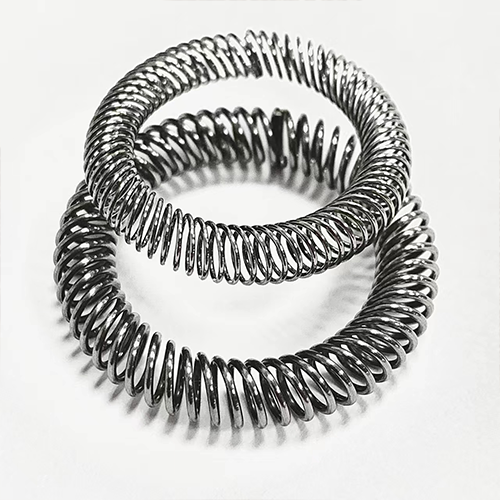
Пружины со скошенными витками широко используются для экранирования электромагнитных помех - от медицинских приборов и аэрокосмических разъемов до полупроводникового оборудования и телекоммуникационной инфраструктуры . Уникальная геометрия катушек, расположенных под углом, позволяет закрыть зазоры в конструкции, где скин-эффект в противном случае создаст электрические диполи, пробивающие окружающий экранирующий материал. .
Но что происходит, когда эффективность экранирования снижается?
Когда прокладка EMI выходит из строя, последствия могут быть серьезными: нестабильность сигнала, электромагнитная утечка, отказ в сертификации и простой системы. . Понимание почему недостатки характеристик экранирования имеют большое значение для инженеров, разрабатывающих высоконадежные системы.
В этой статье рассматриваются основные причины отказа экранирования ЭМИ в пружинах со скошенными витками, инженерные механизмы, лежащие в основе каждого способа отказа, и проверенные стратегии обеспечения долгосрочной эффективности экранирования.
1. Как пружины со скошенными витками обеспечивают экранирование электромагнитных помех
Прежде чем рассматривать режимы отказов, важно понять, как пружины со скошенными витками работают в качестве элементов экранирования электромагнитных помех.
Пружины со скошенными витками - также называемые пружинами со скошенными витками или спиральными пружинными экранирующими кольцами EMI - представляют собой спиральные геометрии, концы которых соединены по кругу, образуя тор . При установке в паз между сопрягаемыми поверхностями пружина создает несколько точек электрического контакта по всей своей длине.
Экранирующий механизм работает следующим образом:
- Устранение пробелов в дизайне: Пружина физически преодолевает зазоры между проводящими поверхностями, предотвращая образование электрических диполей, которые могли бы обеспечить проникновение ЭМИ. .
- Непрерывность электропроводки: Металлическая пружина обеспечивает низкоомный путь для отвода мешающих сигналов на землю.
- Многоточечный контакт: В отличие от плоских прокладок, пружины со скошенными витками поддерживают контакт в нескольких отдельных точках, обеспечивая постоянное экранирование даже при неровностях поверхности.
Для эффективного экранирования электромагнитных помех пружина должна поддерживать:
- Достаточное усилие контакта с сопрягаемыми поверхностями
- Электропроводность в каждой точке контакта
- Стабильное механическое сцепление с течением времени
При ухудшении любого из этих условий ухудшается эффективность экранирования.
2. Основные причины неисправности экранирования электромагнитных помех
На основе инженерного анализа отказов пружин с конической спиралью можно сделать вывод, что ухудшение защиты обычно происходит по одному или нескольким из следующих механизмов:
2.1 Потеря прогиба (недостаточный ход сжатия)
Что это такое: Потеря прогиба происходит, когда коническая спиральная пружина не может достичь требуемого хода сжатия или демонстрирует уменьшенное восстанавливающее усилие после сжатия .
Как это влияет на экранирование электромагнитных помех: Когда пружина теряет прогиб, она не может поддерживать достаточную силу контакта с сопрягаемыми поверхностями. Это приводит к образованию зазоров в проводящем пути, обеспечивая утечку ЭМИ. В экранирующих кольцах со спиральной пружиной для ЭМИ постоянное сжатие в сочетании с температурными циклами может привести к появлению зазоров в экранирующем слое с течением времени .
Типичные симптомы:
- Снижение эффективности экранирования электромагнитных помех
- Прерывистая непрерывность электрического тока
- Нестабильность сигнала
- Неудачи при сертификационных испытаниях
Коренные причины:
2.2 Непостоянная сила контакта
Что это такое: Контактная сила - это нормальное усилие, оказываемое пружиной на сопрягаемые проводящие поверхности. Когда эта сила становится непостоянной - либо с течением времени, либо в разных сборках, - эффективность экранирования становится непредсказуемой .
Как это влияет на экранирование электромагнитных помех: Для эффективной прокладки EMI пружина должна поддерживать стабильное, распределенное контактное давление. Непостоянное усилие приводит к:
- Неравномерное распределение тока
- Локальные разрывы в проводящем пути
- Переменный импеданс передачи
- Непредсказуемая эффективность экранирования
Коренные причины:
- Расслабление при стрессе: Постепенная потеря накопленной упругой энергии при длительном сжатии
- Ползучесть материала: Медленная необратимая деформация при постоянной нагрузке, особенно при повышенных температурах
- Производственные допуски: Размерные изменения диаметра проволоки, шага катушки или высоты свободного пространства
- Изменчивость, вызванная сборкой: Несовпадение пазов, чрезмерное сжатие при установке
2.3 Релаксация и ползучесть материала
Что это такое: Релаксация напряжений и ползучесть материала - это зависящие от времени явления, при которых металлы постепенно теряют накопленную упругую энергию или постоянно деформируются под действием длительной нагрузки. .
Как это влияет на экранирование электромагнитных помех: Для приложений с электромагнитными помехами даже снижение контактной силы на 10-20% может быть достаточно, чтобы нарушить электропроводность. . Когда пружина перестает оказывать достаточное давление на сопрягаемые поверхности, сопротивление контакта увеличивается, а эффективность экранирования снижается.
Температурные эффекты: Температура резко ускоряет как релаксацию, так и ползучесть. Общие рекомендации:
- Ниже 100°C → минимальная релаксация
- 100-150°C → умеренная релаксация
- Выше 150°C → быстрое снижение силы (для нержавеющих сталей)
Сравнение материалов: Различные сплавы демонстрируют совершенно разное релаксационное поведение:
| Материал | Потеря силы после 1000 часов при 150°C |
|---|---|
| Нержавеющая сталь 302 | 20-30% |
| Нержавеющая сталь 316 | 15-25% |
| Бериллиевая медь | 8-15% |
| Elgiloy® | <8% |
| Инконель X-750 | <5% |
| MP35N | <5% |
2.4 Неисправность электрического контакта
Для экранирования электромагнитных помех и заземления пружина с наклонной спиралью может выйти из строя по электрическим причинам, даже если она остается механически целой .
Коренные причины:
- Окисление контактных поверхностей: Коррозия или окисление создают изолирующие слои, которые увеличивают сопротивление контакта
- Недостаточное усилие прижима: Когда сила падает ниже порогового значения, пружина не может проникнуть в поверхностные оксиды
- Загрязнение в местах контакта: Частицы или пленки на границе контакта
- Фреттинг-коррозия: Микроперемещения в местах контакта могут ускорить разрушение поверхности
2.5 Неправильная конструкция канавки
Геометрия канавок часто игнорируется, однако она оказывает решающее влияние на эффективность экранирования электромагнитных помех. Неправильная конструкция канавки может привести к нарушению экранирования даже в случае идеально изготовленной пружины .
Распространенные ошибки при проектировании пазов:
Плохая конструкция канавки может сократить срок службы пружины более чем на 40% .
3. Цепочка механических и электрических отказов
Чтобы наглядно представить, как механическая деградация приводит к разрушению экранирования ЭМИ, рассмотрим следующую цепочку отказов:
Каждый этап в этой цепочке представляет собой возможность для вмешательства и профилактики.
4. Инженерные решения для поддержания эффективности экранирования
Хорошие новости: Отказ экранирования ЭМИ в пружинах со скошенными витками не является случайным - это прямой результат идентифицируемых инженерных факторов . Устранив эти основные причины, инженеры смогут добиться стабильной и долговременной эффективности экранирования.
4.1 Выберите подходящий материал
Выбор материала - единственный наиболее эффективный способ предотвратить ослабление силы и сохранить эффективность экранирования ЭМИ .
Руководство по выбору материалов для применения в области электромагнитных помех:
Одно только усовершенствование материала может улучшить сохранение силы на 50% .
4.2 Оптимизация конструкции канавки
Правильная геометрия канавок обеспечивает равномерное зацепление катушек и предотвращает локальное напряжение .
Рекомендации по проектированию канавок:
- Глубина канавки = диаметр проволоки × 0,85-0,95
- Радиус угла ≥ 0,2 мм
- Контролируемый радиальный зазор
- Стенки с параллельными пазами
- Гладкая поверхность (Ra ≤ 0,8 мкм)
Устранение проблем с канавками:
4.3 Рабочий прогиб регулятора
Пружины со скошенными витками рассчитаны на работу в определенном диапазоне прогиба. Превышение этого диапазона может привести к пластической деформации и постоянной потере усилия .
Правила оформления:
- Поддерживайте рабочее отклонение в пределах 20-30% свободной высоты
- Никогда не превышайте 80% максимального сжатия
- Добавьте механические ограничители для ограничения максимального сжатия
- Определите начальную предварительную нагрузку и диапазон целевых усилий, а не только отклонение
4.4 Нанесение проводящих покрытий
Для приложений с электромагнитными помехами обработка поверхности часто необходима для поддержания низкого контактного сопротивления .
Распространенные покрытия для экранирования электромагнитных помех:
- Серебро: Высочайшая проводимость, хорошая устойчивость к окислению
- Золото: Превосходная коррозионная стойкость, идеально подходит для критически важных применений
- Олово: Экономичный, подходит для общего использования
- Никель: Часто используется в качестве нижнего слоя
Платформы выполняют несколько функций:
- Предотвращение окисления контактных поверхностей
- Снижение сопротивления контактов
- Обеспечивают гальваническую совместимость с сопрягаемыми материалами
4.5 Проверка с помощью тестирования
Профессиональная проверка гарантирует, что пружины сохранят свои защитные свойства в течение всего срока службы .
Рекомендуемые испытания для приложений с электромагнитными помехами:
- Измерение кривой прогиба под нагрузкой
- Испытание постоянных комплектов
- Испытания на термическое старение
- Испытания на усталость при высоких циклах
- Испытания на эффективность экранирования электромагнитных помех
5. Сравнение: Типы пружин и пригодность для ЭМИ
Различные типы пружин по-разному подходят для экранирования электромагнитных помех:
Правильно спроектированные пружины со скошенными витками превосходят традиционные пружины по долговременной стабильности усилия - критическое требование для надежного экранирования электромагнитных помех .
6. Тематическое исследование: Неисправность экранирования в медицинских приборах
Сценарий: Производитель медицинского оборудования столкнулся с проблемой перебоев в работе Экранирование электромагнитных помех отказов во время сертификационных испытаний. После нескольких недель работы эффективность экранирования упала ниже требуемого уровня.
Диагноз: Анализ показал, что пружины со скошенными витками в электромагнитных прокладках устройства испытывали потеря прогиба из-за :
- Постоянное сжатие во время хранения
- Циклирование температуры во время работы
- Материал релаксации из стандартной нержавеющей стали
- Модернизированные пружины Elgiloy® для большей устойчивости к расслаблению
- Оптимизированная геометрия канавок для равномерного распределения нагрузки
- Внедрение контролируемых пределов сжатия при сборке
Результат: Характеристики экранирования оставались стабильными на протяжении всего срока службы устройства, а сертификационные испытания проходили стабильно.
Заключение: Предотвращение отказов экранирования электромагнитных помех
Отказ экранирования ЭМИ в пружинах со скошенными витками не является неизбежным - это инженерная задача с четкими решениями .
Основными факторами, способствующими ухудшению защитных свойств, являются:
- Потеря прогиба от чрезмерного сжатия или усталости
- Непостоянная сила контакта из-за релаксации напряжений и ползучести
- Ограничения по материалу при повышенных температурах
- Неправильная конструкция канавки вызывая неравномерную нагрузку
- Разрушение электрических контактов от окисления или загрязнения
Применяя правильный выбор материала, точную конструкцию канавок, контролируемые рабочие диапазоны и профессиональные производственные процессы, инженеры могут добиться:
✅ Стабильная эффективность защиты от электромагнитных помех
✅ Надежный электрический контакт
✅ Неизменные механические характеристики
✅ Увеличенный срок службы
✅ Уменьшение количества отказов на местах
Для высоконадежных приложений, связанных с электромагнитными помехами, в медицинских, аэрокосмических, полупроводниковых или телекоммуникационных системах пружины со скошенными витками - при правильном определении и применении - обеспечивают исключительную долговременную эффективность экранирования.