When to Use — and Not Use — a Canted Coil Spring
Explore when to use canted coil springs in precision, electrical, and high-holding applications, and when to opt for alternatives in high-temperature or budget-sensitive projects.
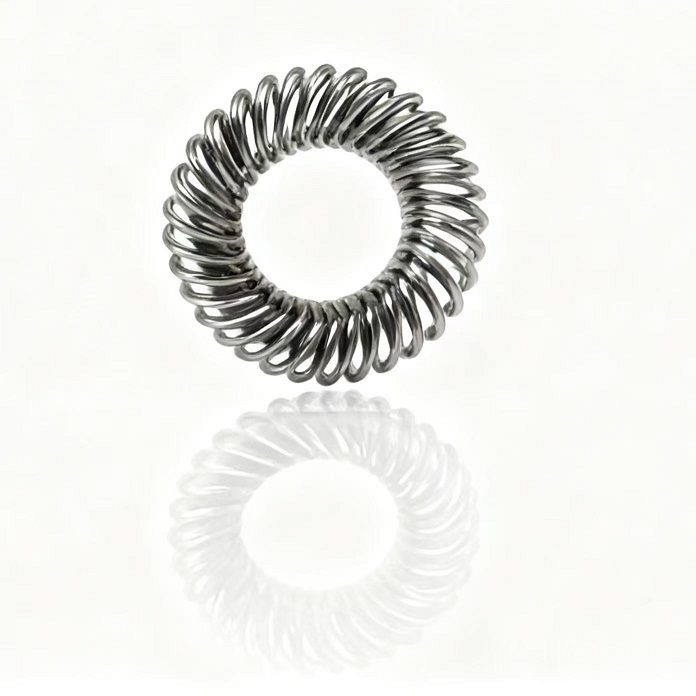
캔트 코일 스프링 are a type of spring distinguished by their unique coil design, which is angled or “canted” to create a specific force pattern. This specialized design allows for precise control over force and deflection, making them ideal for applications where high reliability and precision are required. Typically constructed from stainless steel or other high-strength materials, these springs ensure durability and resistance to environmental factors, which can be crucial in maintaining the integrity of the system they are integrated into.

The design of canted coil springs allows for a remarkable balance between size and functionality, making them suitable for applications where both are critical. Their ability to provide consistent force across various deflection ranges is particularly advantageous in industries where precision is paramount, such as aerospace and medical devices. Furthermore, the materials used in their construction not only contribute to their strength and longevity but also offer excellent resistance to environmental stressors, which can include moisture, chemicals, and varying temperatures.
Benefits of Canted Coil Springs
Precision and Reliability
캔트 코일 스프링 provide consistent force over a wide range of deflection. This makes them highly reliable in applications where precision is necessary. In industries like aerospace and medical devices, where exact force is essential, canted coil springs play a vital role. Their ability to deliver precise force ensures that devices function correctly, which is crucial for safety and performance.
The reliability of canted coil springs extends to their performance under stress, maintaining their integrity and function over extended periods. This makes them an invaluable component in critical applications where failure is not an option. Their precision ensures that even with repeated use, the force exerted remains consistent, which is vital for maintaining the calibration and effectiveness of sensitive equipment.
컴팩트한 디자인
The unique design of canted coil springs allows them to be smaller and lighter than traditional springs while providing the same or greater force. This compact nature is beneficial in applications where space is limited. In electronic devices or intricate mechanical assemblies, where every millimeter of space is valuable, canted coil springs are often the preferred choice.
Their compact design does not compromise their performance, which means that even in confined spaces, they can deliver the necessary force without adding unnecessary bulk. This is particularly advantageous in modern technological applications, where devices are becoming increasingly miniaturized. The ability to incorporate a powerful spring in a small package can be a significant advantage in the design and functionality of new products.
다양한 애플리케이션
These springs can be used in both static and dynamic applications. Whether you need a spring for maintaining constant pressure or one that can absorb shock and return to its original shape, canted coil springs can be a suitable choice. This versatility is a key factor in their widespread use across various industries.
Their ability to function effectively in both static and dynamic scenarios means that they can be utilized in a broad range of applications, from maintaining a steady force in a stationary device to absorbing and releasing energy in a moving system. This adaptability makes them an excellent choice for engineers looking to design systems that require reliable performance under varying conditions.
When to Use Canted Coil Springs
High-Precision Applications
Canted coil springs excel in applications that require high precision and reliability. For instance, in the medical field, these springs can be found in devices like surgical tools and implantable devices where precise force is crucial for functionality and safety. The ability to deliver exact force consistently is essential in medical applications where patient safety and device efficacy are paramount.
In high-tech industries, such as aerospace, the precision of canted coil springs is equally critical. These springs ensure that components operate within specified parameters, which is vital for maintaining the safety and efficiency of complex systems. The reliability of these springs under demanding conditions reinforces their suitability for high-precision applications.
Limited Space Situations
Due to their compact size, canted coil springs are ideal for applications where space is a constraint. They are perfect for use in small electronic devices or intricate mechanical assemblies where space savings are a priority. The ability to deliver substantial force without occupying significant space is a notable advantage in the design of modern devices.
In scenarios where space is at a premium, such as in compact electronic gadgets or densely packed mechanical assemblies, the use of canted coil springs can significantly enhance the overall design and functionality. Their small size does not sacrifice performance, making them an indispensable component in the development of innovative and space-efficient products.
Corrosive Environments
Made from materials like stainless steel, canted coil springs are resistant to corrosion. This makes them suitable for environments where they might be exposed to moisture or chemicals, such as in marine or chemical processing industries. The resistance to environmental degradation ensures that they maintain their function and integrity over time.
In industries where exposure to corrosive elements is common, the durability and resistance of canted coil springs to such conditions make them a logical choice. Their ability to withstand harsh environments without losing performance or reliability is crucial for maintaining the operational efficiency and safety of systems exposed to these challenging conditions.
When Not to Use Canted Coil Springs
비용 고려 사항
Canted coil springs can be more expensive than traditional springs due to their complex manufacturing process and the materials used. If your application does not require the precision and reliability offered by these springs, it might be more cost-effective to use a standard spring. The cost-benefit analysis is essential in determining whether the advantages of canted coil springs justify their expense.
In applications where budget constraints are significant, and the requirements for precision and reliability are not as critical, opting for a standard spring can be a more economical choice. The additional cost of canted coil springs may not be warranted if the application can function adequately with less expensive alternatives, allowing resources to be allocated more efficiently.
Low-Load Applications
For applications that do not require high precision or significant force, standard springs might be a better choice. Using a canted coil spring in a low-load situation could be an unnecessary expense without providing additional benefits. It is important to match the spring type to the specific demands of the application to avoid over-engineering and overspending.
In scenarios where the application does not demand the unique attributes of canted coil springs, choosing a simpler and more cost-effective solution can be advantageous. This approach ensures that resources are allocated appropriately, and the system remains efficient and cost-effective without compromising performance.
High-Temperature Environments
While canted coil springs are durable, extreme temperatures can affect their performance. If your application involves very high temperatures, it is essential to consult with a spring manufacturer to ensure the material used in the spring can withstand such conditions. The suitability of the spring material in high-temperature environments is a critical factor in maintaining performance and safety.
In applications where extreme temperatures are a factor, the choice of material for the spring becomes paramount. Consulting with manufacturers to select materials that can endure such conditions ensures that the springs continue to perform reliably, avoiding potential failures and ensuring the longevity of the system.
Factors to Consider When Choosing a Spring
Application Requirements
Analyze the specific requirements of your application. Consider factors such as the force needed, the environment in which the spring will operate, and any space constraints. This will help determine whether a canted coil spring is the right choice. Understanding the demands of the application allows for a more informed decision regarding the type of spring required.
By carefully evaluating the application requirements, you can align the spring choice with the specific demands and constraints of the environment. This ensures that the selected spring meets all necessary criteria, contributing to the overall efficiency and effectiveness of the system in which it is used.
Material and Coating
Consider the materials and coatings used in the spring. These can affect the spring’s performance, particularly in corrosive or high-temperature environments. Stainless steel is a common choice for its durability and resistance to corrosion. Selecting the right material and coating is crucial for ensuring the longevity and reliability of the spring.
The choice of material and coating can significantly impact the spring’s ability to withstand environmental stressors and maintain its functionality over time. By selecting appropriate materials, you ensure that the spring can perform optimally in the intended application, minimizing maintenance and replacement costs.
Cost vs. Benefit
Evaluate the cost against the benefits offered by canted coil springs. While they may be more expensive, the precision and reliability they provide can justify the cost in many applications. However, for simple applications, a less expensive spring might suffice. Balancing cost with the advantages offered by the spring ensures that resources are used efficiently.
Considering the cost versus benefit allows for a strategic approach to spring selection, ensuring that the investment in canted coil springs is warranted by the application’s demands. This analysis helps avoid unnecessary expenses while ensuring that the chosen spring enhances the system’s performance and reliability.
결론
Choosing the right spring for your application is crucial for performance and cost efficiency. Canted coil springs offer unique benefits such as precision, compactness, and resistance to corrosion, making them suitable for high-precision and space-constrained applications. However, they are not always the best choice, especially if cost is a primary concern or if the application involves low loads or extreme temperatures.
By understanding the advantages and limitations of canted coil springs, you can make an informed decision that aligns with your application needs and budget. Always consult with a spring manufacturer to ensure the spring you choose meets the specific requirements of your project. This diligence ensures that the chosen solution not only meets technical specifications but also provides the best value for the investment, contributing to the overall success and efficiency of your project.