優れたEMI保護のための耐久性と軽量の導電性フォーム
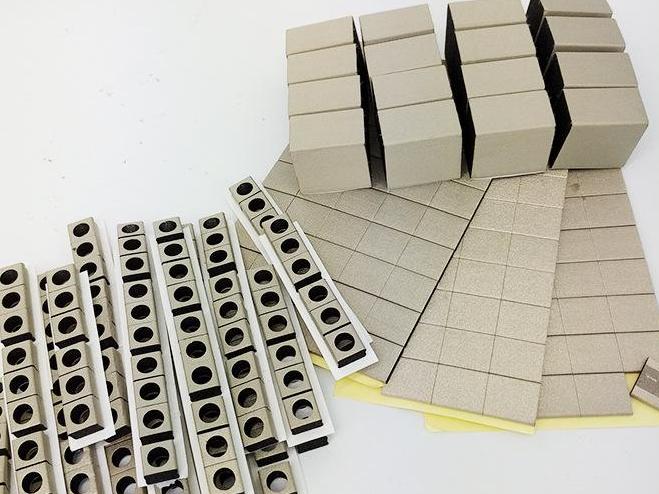
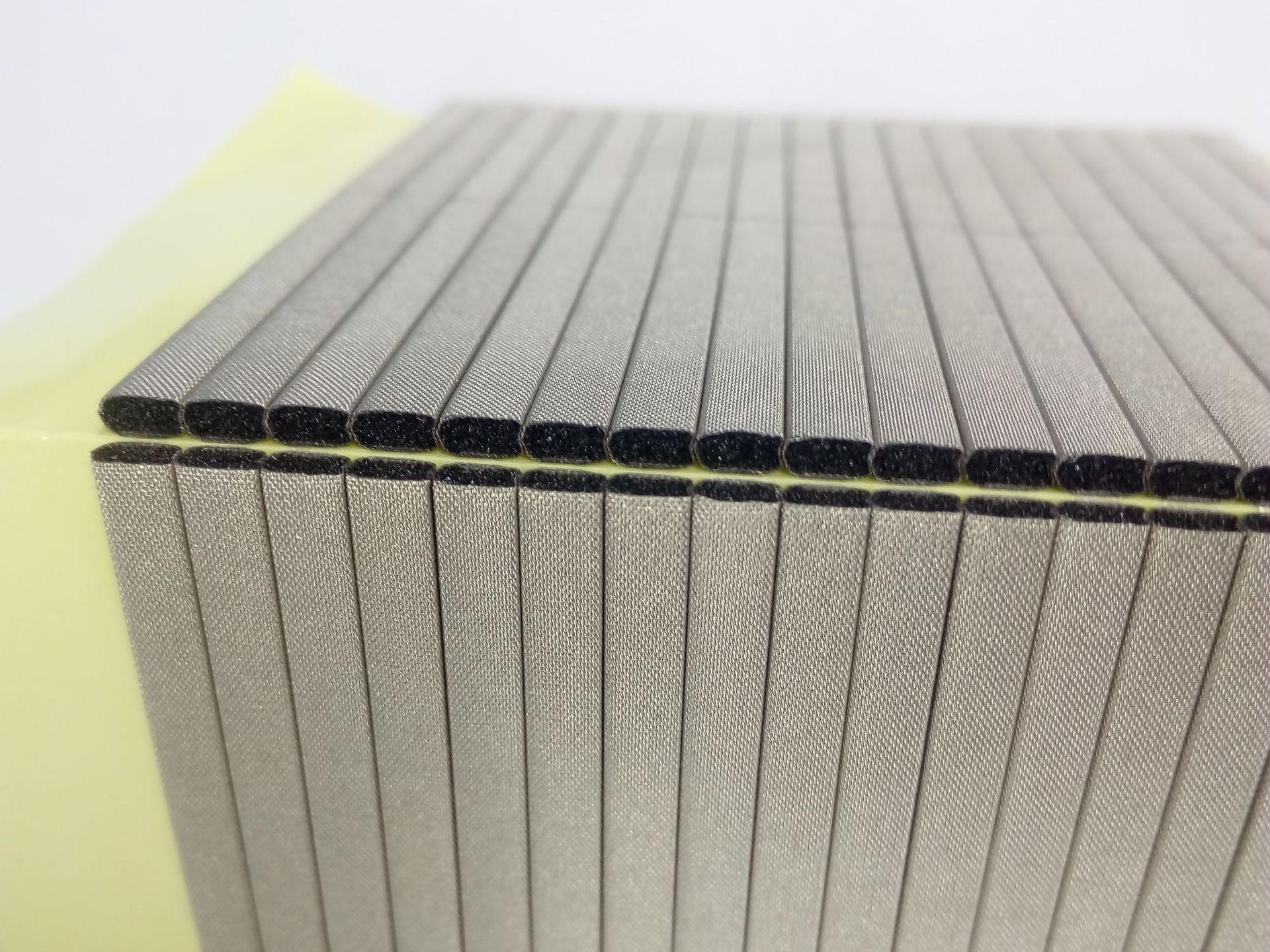
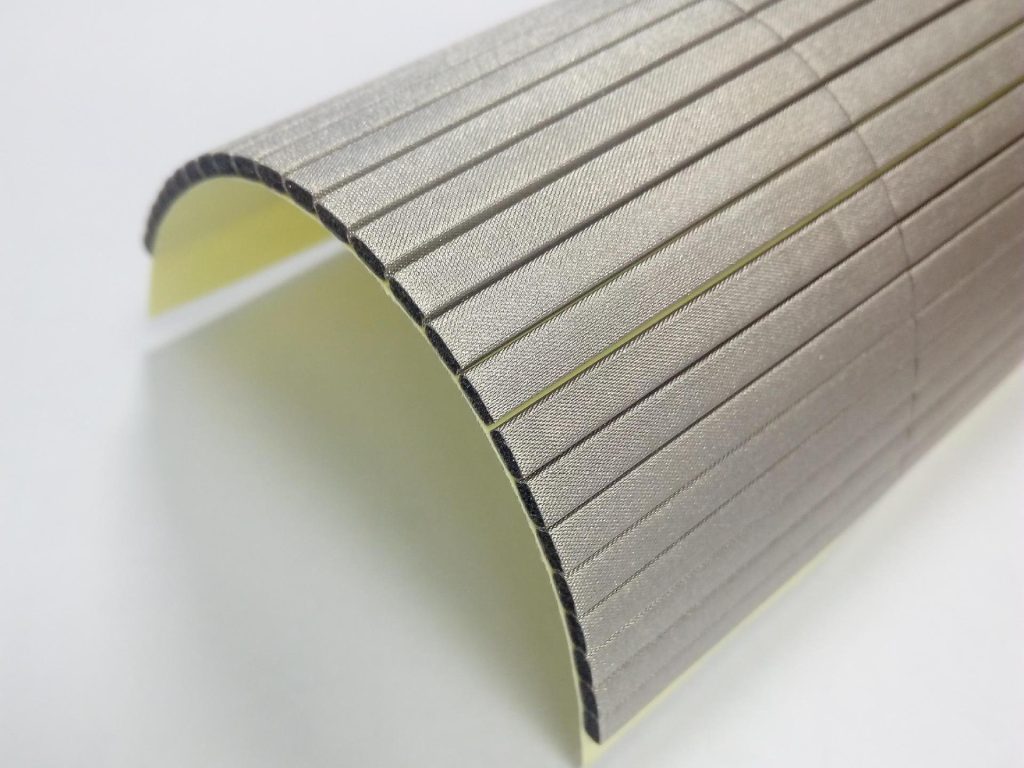
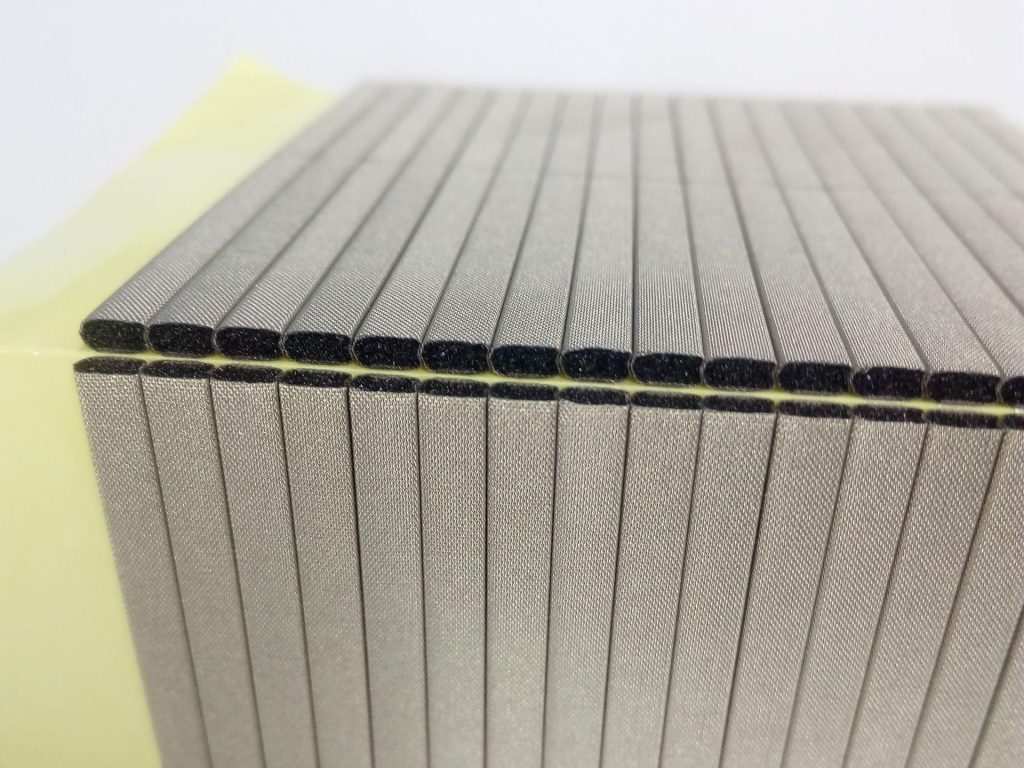
導電性発泡体は、導電性フィラーを埋め込んだゴムマトリックスからなる多孔質材料として説明されることが多く、軽量構造と電気的機能性の理想的な組み合わせを提供します。その卓越した特性により、クッション性と導電性の両方を必要とする数多くの産業にとって貴重な選択肢となっています。
目次
導電性フォーム
現代の産業界では、材料の性能と軽量化ソリューションが技術革新を推進する上で極めて重要である。材料科学における様々な進歩の中で、導電性発泡体は、高い導電性と軽量で柔軟な発泡体の利点を併せ持つ、汎用性の高い効率的な材料として登場しました。導電性と、クッション性やエネルギー吸収性といった従来の発泡体の特性を併せ持つ、 導電性フォーム は現在、様々な分野で広く使用されている。この記事では、導電性フォームのユニークな特性、製造プロセス、多様な用途、そして将来のトレンドについて探る。
1.導電性フォームの特徴
導電性発泡体は、導電性フィラーを埋め込んだゴムマトリックスからなる多孔質材料として説明されることが多く、軽量構造と電気的機能性の理想的な組み合わせを提供します。その顕著な特性により、クッション性と導電性の両方を必要とする多くの産業にとって貴重な選択肢となっています。導電性フォームの最も注目すべき特性には、以下のようなものがある:
軽量構造
導電性フォームの主な利点の一つは、その軽量性である。発泡プロセスによって材料の密度が大幅に減少するため、固形のゴムや金属よりも軽くなります。この特性は、自動車や航空宇宙産業など、軽量化が不可欠な用途にとって極めて重要です。ガス気泡を素材に組み込むことで、発泡体は必要な強度と弾力性を維持しながら、はるかに軽量になり、効率を高め、機械システムの負荷を軽減する。
高い弾力性と柔軟性
導電性フォームは、発泡倍率が高くてもゴム素材特有の柔軟性と弾力性を保持しています。このため、衝撃や振動を効果的に吸収することができ、衝撃保護、クッション、シーリングなどの用途に適しています。軽量であるにもかかわらず、フォームはさまざまな形状に適合する柔軟性を保ち、さまざまな用途でぴったりとフィットします。
優れた断熱性と遮音性
導電性フォームの多孔質構造は、優れた断熱性と遮音性も備えています。ノイズ低減や温度制御が必要な用途では、導電性フォームが効果的なバリアとなる。例えば、建設産業用の防音パネルや電子部品用の断熱パッドに使用することができます。熱と音の両方を遮断するその能力は、様々な環境におけるエネルギー効率と快適性の向上に貢献します。
耐薬品性
導電性フォームのもう一つの大きな利点は、化学薬品に対する耐性である。ベースとなるゴム材料にもよりますが、過酷な化学薬品、油、その他の攻撃的な物質への暴露に耐えるように発泡体を配合することができます。このため、産業環境、特に製造、海洋用途、化学処理などの分野での使用に最適です。
エネルギー吸収と耐衝撃性
その多孔質構造により、導電性フォームはエネルギーを吸収することに特に長けている。衝撃や圧力が加わると圧縮され、エネルギーをシステムの他の部分に伝えるのではなく、吸収・発散させることができます。この特性により、包装用途、壊れやすい電子機器の緩衝材、自動車や産業機械の保護層として非常に効果的です。
2.導電性フォームの製造工程
導電性フォームの製造には、基材の選択からフォームを所望の形状に加工するまでの精密な複数の工程が含まれる。以下は、製造工程の詳細です:
素材の選択
導電性フォームの製造は、フォームの土台となるベース・ゴム・マトリックスの選択から始まる。一般的なゴムマトリックスには、天然ゴム、ニトリルゴム、シリコーンゴム、ネオプレンなどがあります。これらの材料はそれぞれ、特定の用途に適した特性を備えています。例えば
- 天然ゴム:弾性と弾力性で知られ、自動車やヘビーデューティ用途によく使用される。
- ニトリルゴム:耐薬品性に優れ、油や化学薬品への暴露が予想される環境でよく使用される。
- シリコーンゴム:耐熱性、耐候性に優れ、電子機器や航空宇宙など過酷な環境での使用に最適。
導電性フィラー
導電性を得るために、導電性フィラーがゴムマトリックスに組み込まれる。これらのフィラーは、通常、カーボンブラック、グラファイト、カーボンナノチューブ、金属粉(銅やアルミニウムなど)などの材料である。使用されるフィラーの種類と濃度がフォームの導電性を決定するため、この点を注意深く管理することが、フォームが意図された用途の特定の導電性要件を確実に満たすために不可欠である。
発泡剤とプロセス
ゴム混合物に発泡剤を加えて発泡体の構造を作る。発泡剤は2種類に分類できる: 化学発泡剤 そして 物理的発泡剤.
- 化学発泡剤:これらの薬剤は、熱や化学反応にさらされるとガスを放出し、素材を発泡させる。化学薬品は発泡体の中に微細で均一なセルを作ることが多く、断熱性やクッション性の向上に寄与する。
- 物理的発泡剤:これらの薬剤は、ガス注入や熱のような物理的プロセスによって材料内に気泡を発生させる。発泡プロセスでは、ゴム混合物を加熱して発泡剤がガスを放出し、その結果、気泡構造が形成される。
混合と精製
発泡剤と導電性フィラーを添加した後、ゴム混合物を十分にブレンドする。この段階で、導電性フィラーを含むすべての成分がマトリックス全体に均一に分散されます。この段階は、均一な導電性や所望の弾力性など、一貫した発泡特性を得るために非常に重要です。
成形と成型
混合されたゴム混合物は、金型に入れられるか、所望の形状に押し出される。さまざまな成形プロセスを使用することができる:
- 押出:混合物を金型を通して押し出し、シートやチューブなどの連続した形状を作る。
- 圧縮成形:混合物を金型に入れ、熱と圧力を加え、発泡体を特定の形状に成形する。
- 射出成形:材料は金型キャビティに注入されるため、より複雑な形状や細かいディテールが可能になる。
後処理と養生
成形後、発泡体は硬化工程を経て固化し、最終的な形状と安定性が確保される。その後、発泡体は冷却され、必要に応じて成形され、特定の用途要件を満たすために、切断、研磨、コーティングなどの追加工程を経ることもある。
3.導電性フォームの用途
導電性フォーム導電性フォームの導電性、クッション性、絶縁性のユニークな組み合わせは、様々な産業における幅広い用途に適しています。以下は、導電性フォームが使用される主な分野の一部である:
自動車産業
自動車分野では、導電性フォームはノイズ低減や絶縁から電気シールドまで、様々な目的で広く使用されている。例えば
- シールとガスケット:導電性発泡体は、電磁干渉(EMI)を防止し、防水・防塵シールを提供するため、ドアシール、窓、ガスケットに使用される。
- シートクッション:発泡体の衝撃吸収特性は乗客の快適性を向上させると同時に、特定の自動車部品に電気絶縁性を提供する。
航空宇宙・防衛
航空宇宙・防衛産業では、繊細なシステムや電子機器に干渉する可能性のあるEMIを防ぐために、導電性が非常に重要です。導電性フォームは、宇宙船や防衛機器内のシーリングやクッション用途だけでなく、外部干渉から搭載電子システムを保護するためにも使用されています。
コンシューマー・エレクトロニクス
より小型で効率的な電子機器への需要が高まるにつれ、家電製品における導電性フォームの必要性は拡大している。一般的に使用されているのは
- スマートフォンとタブレット:導電性発泡体は、電子機器の保護ケースや緩衝材に使用され、衝撃を吸収し、落下や衝撃による損傷のリスクを低減します。
- ノートパソコンとコンピューター:発泡体は熱管理にも使用され、繊細な部品の過熱を防ぎ、EMIシールドのための導電性を提供する。
医療機器
医療機器において、導電性発泡体はEMIシールド、精密機器の保護、絶縁体としての役割を果たす。医療用画像機器、モニター、診断機器などは、最適な機能を維持し、外部電気信号からの干渉を防ぐために、導電性フォームに頼ることが多い。
パッケージング
導電性フォームの最も一般的な用途の一つは、壊れやすい電子機器や装置の梱包です。発泡体は優れたクッション性を提供し、輸送中の衝撃を吸収し、部品を静電気から保護します。特に、回路基板、マイクロプロセッサー、光学センサーなどのハイテク製品の梱包に有用です。
4.導電性フォームの新たな動向と未来
技術の進歩に伴い、高性能で多機能な素材への需要が高まっている。導電性発泡体は、いくつかの主要分野で進化を遂げると予想される:
高性能材料の開発
導電性フォームの今後の開発は、耐熱性、機械的強度、耐薬品性を向上させることに焦点が当てられる。信頼性と耐久性が最重要視される航空宇宙、自動車、防衛などの産業における過酷な条件に耐えるためには、特性を向上させた材料が必要になるだろう。
持続可能性と環境に優しいソリューション
産業界が環境負荷の低減に努めるにつれ、持続可能な素材が重視されるようになる。導電性発泡体メーカーは、従来の合成ゴムや発泡剤に代わる環境に優しい代替品を模索している。生分解性導電性フォームやリサイクル可能な材料の研究は、性能と持続可能性の両方の基準を満たす環境に優しいソリューションにつながる可能性がある。
スマート・テクノロジーとの統合
導電性発泡体をセンサー技術と統合することで、シールドや絶縁を提供するだけでなく、システム性能をモニターし、フィードバックを提供するスマート素材の開発につながる可能性がある。このような「スマート」発泡体は、自己修復特性を持ったり、変化する環境条件に適応したりすることで、機能性の向上とライフサイクルの延長を実現する可能性がある。
カスタマイズと高度な製造技術
3Dプリンティングやその他の積層造形法の進歩により、カスタム導電性発泡体の製造はより身近なものになるだろう。これによりメーカーは、形状、密度、導電性、弾力性といった特定の要件に合わせて発泡体を設計できるようになる。カスタムソリューションは、産業全般にわたるニッチ用途でますます重要になるだろう。
5.結論
導電性フォームは、軽量フォームの長所と導電性を組み合わせた最先端のソリューションです。そのユニークな特性により、衝撃保護と電気的シールドの両方を必要とする産業には欠かせないものとなっています。その多様な用途と現在進行中の技術革新により、導電性発泡体はエレクトロニクス、自動車、医療機器、包装の将来において重要な役割を果たすことになるでしょう。高度な製造技術、環境に優しい配慮、スマートな技術統合によってこの素材が進化し続けることで、導電性発泡体は今後も高性能、軽量、効率的な製品を実現する重要な存在であり続けるだろう。
産業界が技術の限界に挑み続ける中、導電性フォームのような先端素材に対する需要は、特に軽量性と高性能な電気シールドの両方を必要とする分野で高まっている。このようなソリューションを提供する重要な役割を担っているのが、高品質なEMIシールド製品のトップメーカーであるハンダ・シールドだ。導電性発泡体やその他のシールド材を含む精密加工部品の製造における同社の専門知識により、メーカーは電磁干渉(EMI)保護に対する最も厳しい要求を満たすことができます。技術革新と品質へのこだわり Handa Shielding は素材革命の最前線に立ち、産業界が将来に向けてより安全で効率的な製品を製造できるよう支援している。
こちらもおすすめ
-
 高導電性銅箔テープ
EMIテープ、EMCホイル、導電性織物、半導電性不織布
銅箔テープ
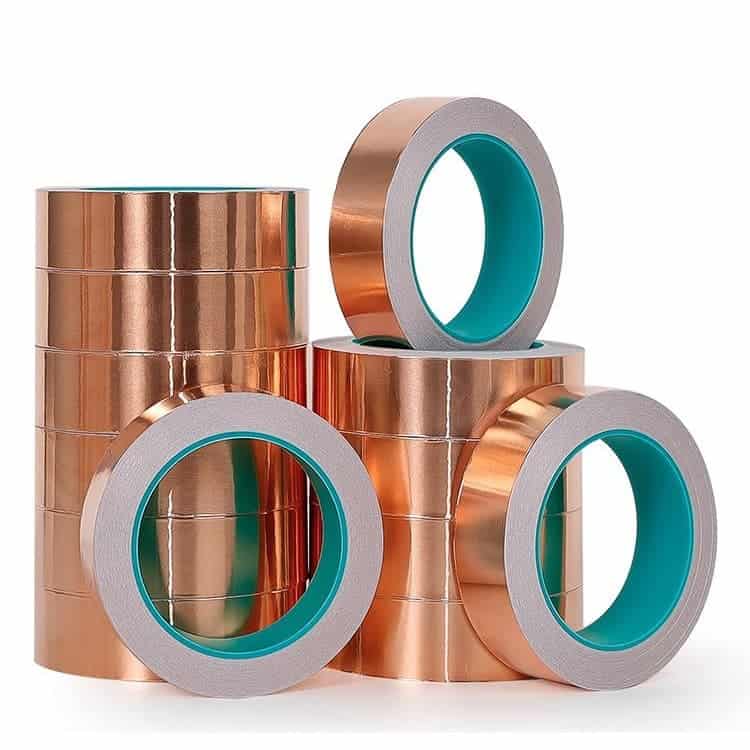
銅箔テープ 1.銅箔テープの紹介2.銅箔テープの特性3.銅箔テープの種類4.銅箔テープの用途4.1.電磁干渉(EMI)シールド4.2.アース用途4.3.静電気放電保護4.4.プリント基板(PCB)用途4.5.ステンドグラス
-
電磁干渉(EMI)シールド用ミューフェロ箔
EMIテープ、EMCホイル、導電性織物、半導電性不織布
ミューフェロ/ミューメタルホイル
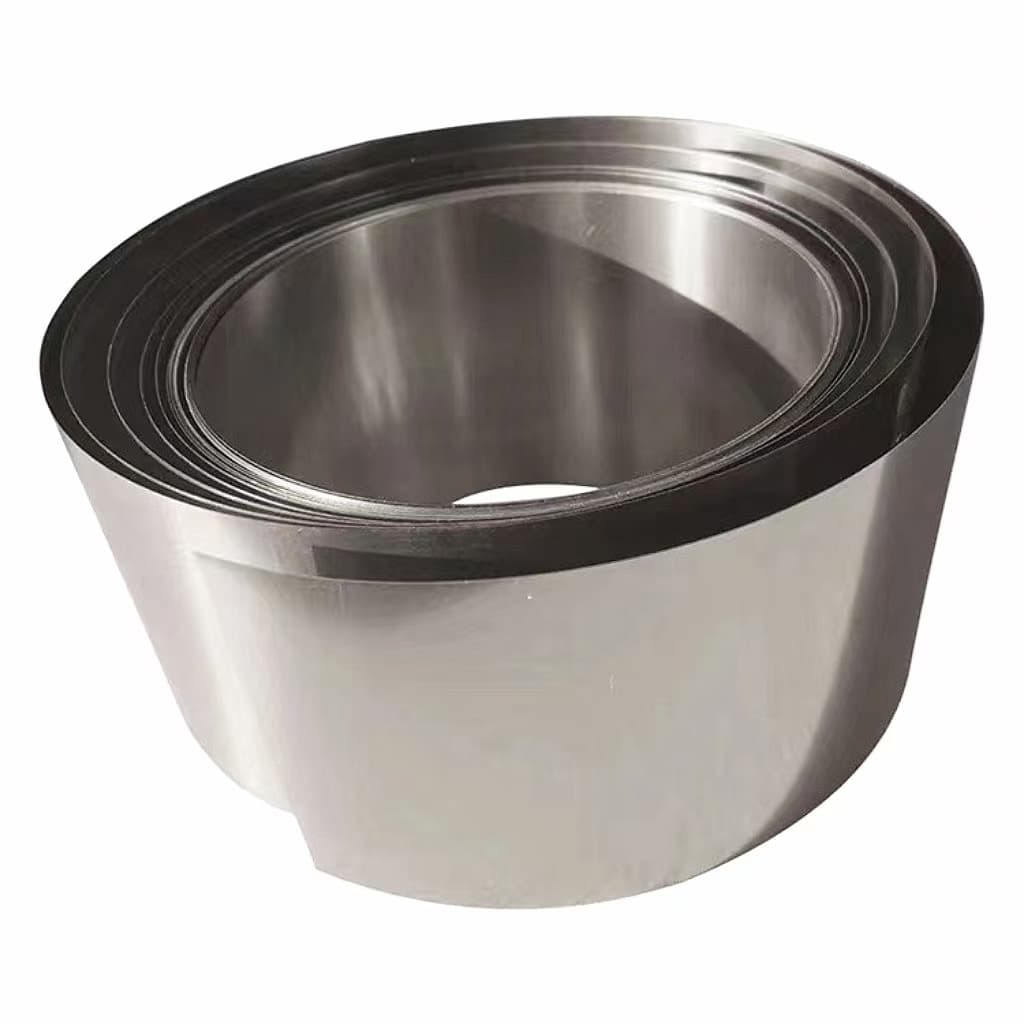
1.ミューフェロ箔とは2. ミューフェロ箔の組成3.ミューフェロ箔の磁気特性4.ミューフェロ箔の用途4.1 電磁干渉(EMI)シールド4.2 磁界シールド4.3 トランスおよびインダクタ設計4.4 航空宇宙および防衛用途5.ミューフェロ箔の利点6.課題と考察7..........
-
PCBおよびSMDアプリケーションのスプリングフィンガコンタクト
フィンガーストリップ
PCB/SMDスプリング・フィンガー・コンタクト
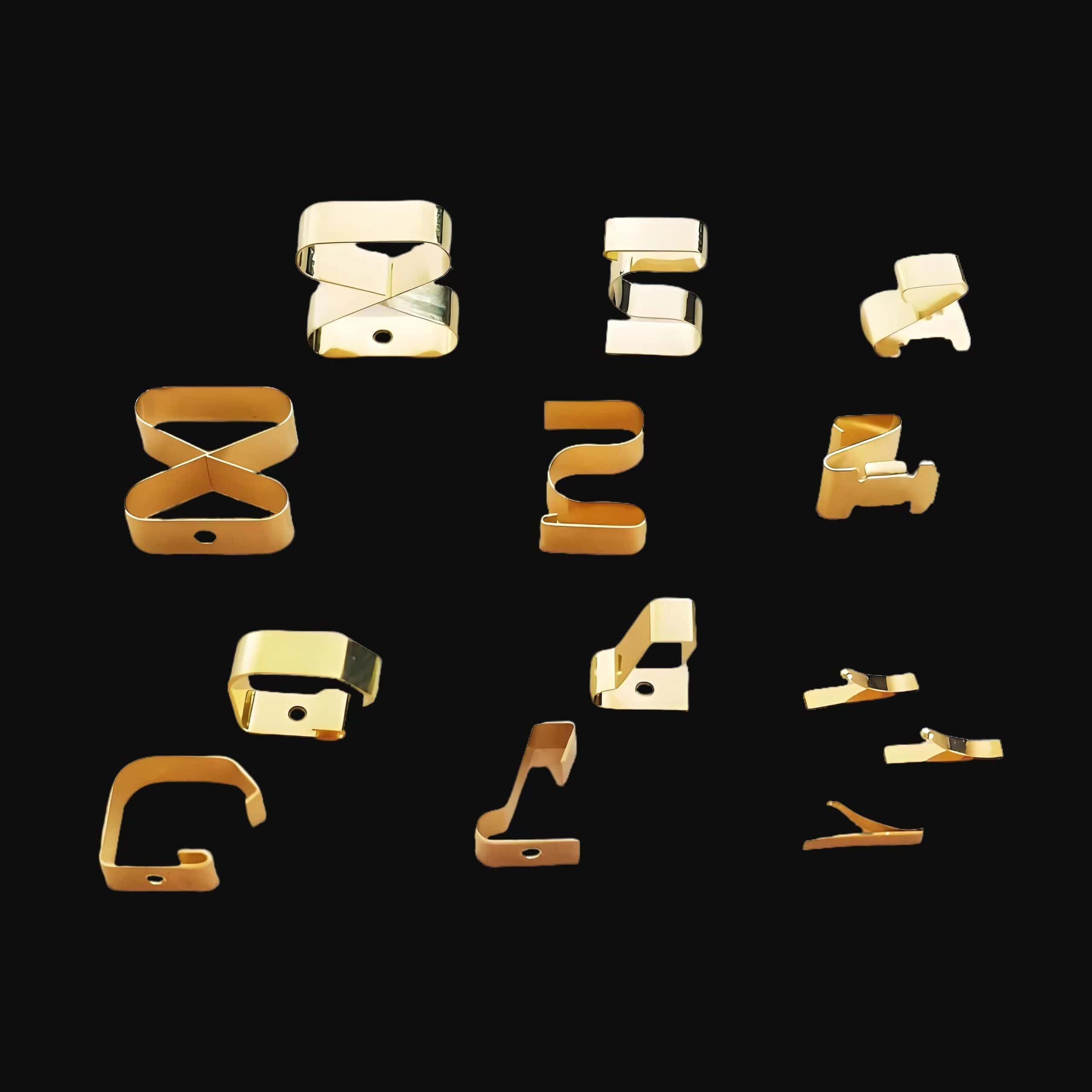
スプリング・フィンガー・コンタクト 1.アプリケーションシナリオ2.1 コンシューマーエレクトロニクス 1.基本概念 スプリングフィンガコンタクトは「スプリングフィンガー」とも呼ばれ、PCBとSMD(表面実装デバイス)間のコネクタとして機能します。スプリング・フィンガー・コンタクトは通常、頻繁に抜き差しされるような場所で使用されます。
-
EMIシールド用途で優れた性能を発揮する半田スパイラルチューブ
EMI/EMCシールド|RFIシールド|EMIガスケット
RF/EMIシールドスパイラルガスケット
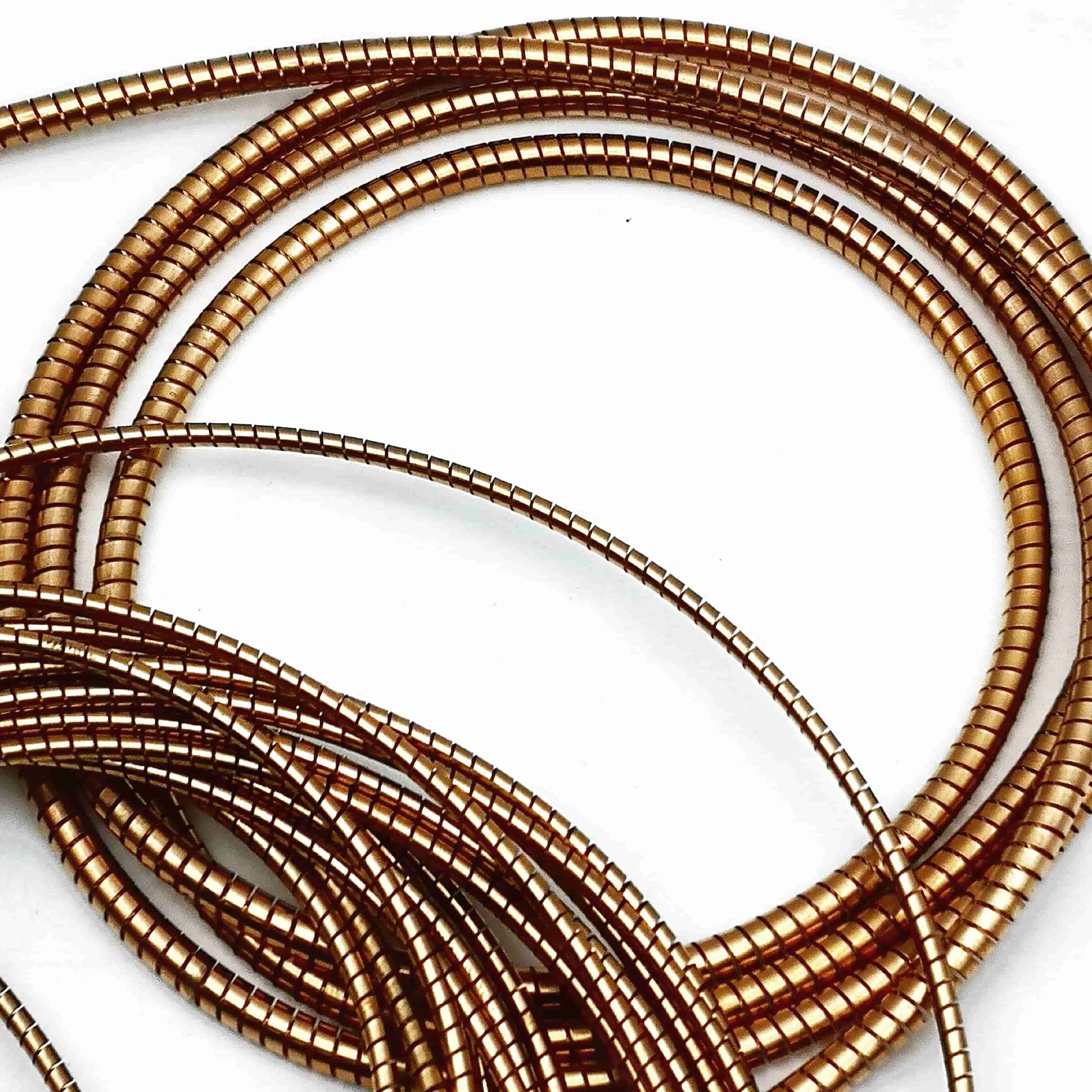
ハンダ・スパイラル・チューブ https://www.handashielding.com/request-a-quote.html ハンダ・スパイラル・チューブの材料特性さまざまな周波数におけるEMIシールド性能湿度および腐食性環境における性能さまざまな産業における用途設置およびメンテナンスに関する考察結論と今後の展望ハンダ・スパイラル・チューブは、EMIシールドにおいて優れた性能を発揮することで知られています。
-
電磁干渉(EMI)シールドを提供するスパイラルシールドガスケット
EMI/EMCシールド|RFIシールド|EMIガスケット
RF/EMIシールドスパイラルガスケット
スパイラルシールドガスケットは、様々な産業用途において、信頼性の高い密閉性を確保しながら電磁干渉(EMI)シールドを提供する重要な部品です。しかし、腐食環境ではその効果が損なわれる可能性があり、耐腐食性を高めることが重要です。この記事では、耐腐食性の向上について説明する。