So wählen Sie Spiral-Schutzgasdichtungen für Niedrigtemperaturanwendungen aus: Ein umfassender technischer Leitfaden
Einführung
Für EMI-Ingenieure bedeutet die Auswahl einer Spiral-Abschirmdichtung für Niedrigtemperaturanwendungen mehr als nur die Wahl eines kältebeständigen Materials. Entscheidend ist die Aufrechterhaltung eines stabilen elektrischen Kontakts und einer konstanten Abschirmleistung unter extremen Bedingungen, bei denen Faktoren wie thermische Kontraktion, Materialverträglichkeit, Maßänderungen, Kompressionsschwankungen, Oxidation und die Zuverlässigkeit bei Temperaturwechselbeanspruchung das gesamte Abschirmsystem beeinträchtigen können. Da die spiralförmige Abschirmdichtung mit der Einbaunut und dem Gehäuse zusammenwirkt, müssen Ingenieure sicherstellen, dass der zuverlässige Kontakt auch bei Temperaturschwankungen aufrechterhalten bleibt.
1.Legen Sie den tatsächlichen Temperaturbereich fest, bevor Sie eine spiralförmige Schutzgasdichtung auswählen
Bei der Auswahl einer Spiral-Schutzgasdichtung reicht es in der Regel nicht aus, lediglich anzugeben, dass die Anwendung in einer „Niedertemperaturumgebung“ erfolgt. -40 °C, -80 °C und -196 °C mögen zwar alle als niedrige Temperaturen gelten, doch können sie sehr unterschiedliche Auslegungsbedingungen für die Abschirmkonstruktion, das Material und die Installation mit sich bringen.
Beispielsweise kann die Temperatur eines elektronischen Geräts im Außenbereich nur gelegentlich -40 °C erreichen. Ein Halbleiter-Testsystem hingegen kann wiederholt zwischen folgenden Temperaturen wechseln:
25 °C → -80 °C → 25 °C
Im zweiten Fall ist die Mindesttemperatur nur ein Teil des Problems. Ingenieure müssen außerdem berücksichtigen, ob die Abschirmungsschnittstelle auch nach wiederholtem Abkühlen und Erwärmen einen stabilen Kontakt aufrechterhalten kann. Ein praktischer Ansatzpunkt besteht darin, die Anwendung wie folgt zu betrachten:
| Anwendungsumgebung | Typischer Temperaturbereich | Wichtigste Aspekte bei der Konzeption |
| Elektronische Geräte für den Außenbereich | Etwa -40 °C | Kontaktstabilität und Korrosionsbelastung |
| Industrie- und Halbleiterausrüstung | -60 °C bis -80 °C | Temperaturwechsel und Maßänderungen |
| Tiefkühltechnik | unter -100 °C | Materialverhalten und thermische Kontraktion |
| Umgebungen mit flüssigem Stickstoff | Etwa -196 °C | Verhalten bei niedrigen Temperaturen und Materialverträglichkeit |
Bei Geräten, bei denen Temperaturen von -40 °C nur gelegentlich auftreten, stellt sich vor allem die Frage, ob die Spiral-Dichtungsmanschette auch bei dieser Mindesttemperatur noch zuverlässig am Gehäuse anliegt.
Anders verhält es sich, wenn die Anlage wiederholt zwischen Raumtemperatur und -80 °C wechselt. Das Gehäuse, die Nut und die Spiral-Dichtungsmanschette können beim Abkühlen und Erwärmen Maßänderungen erfahren. Nach wiederholten Zyklen muss möglicherweise auch der Kontaktzustand überprüft werden. Vor der Auswahl der Dichtungsmanschette sollten Ingenieure daher mindestens Folgendes festlegen:
- Mindestbetriebstemperatur
- Maximale Betriebstemperatur
- Temperaturwechselhäufigkeit oder erwartete Anzahl der Zyklen
- Verweilzeit bei niedriger Temperatur
Diese Angaben sind für die Auswahl der technischen Komponenten wesentlich hilfreicher als die bloße Angabe von „-80 °C“ als Betriebstemperatur.
2. Leitfaden zur Materialauswahl für spiralförmige Abschirmdichtungen für den Einsatz bei niedrigen Temperaturen
Zu den üblicherweise in Betracht gezogenen Materialien für spiralförmige EMI-Abschirmdichtungen gehören:
- Beryllium-Kupfer (BeCu)
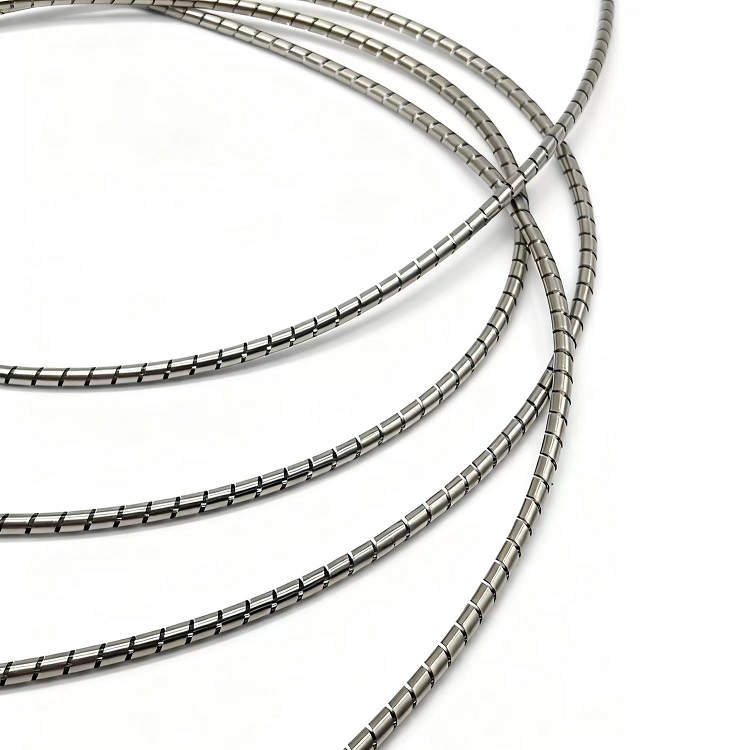
- Rostfreier Stahl
- 17-7PH
Bei der Materialauswahl sollte man sich jedoch nicht einfach von dem Grundsatz leiten lassen: „Je höher die Leitfähigkeit, desto besser das Material.“ Die richtige Wahl hängt von den vorrangigen Projektanforderungen ab. Ein Material mit hervorragender Leitfähigkeit ist möglicherweise nicht immer die beste Lösung, wenn die Anwendung Folgendes erfordert:
- Hohe mechanische Festigkeit
- Korrosionsbeständigkeit
- Extreme Temperaturbeständigkeit
- Langzeit-Zuverlässigkeit bei Temperaturwechselbeanspruchung
Die folgende Tabelle enthält einen praktischen technischen Vergleich:
| Material | Wichtigste technische Überlegungen | Typische Anwendungsrichtung |
|---|---|---|
| BeCu | Elektrische Kontaktleistung und mechanische Flexibilität | Anwendungen, die einen stabilen leitenden Kontakt erfordern |
| Rostfreier Stahl | Festigkeit, Korrosionsbeständigkeit, Wirtschaftlichkeit | Industrielle und raue Umgebungen |
| 17-7PH | Hohe Festigkeit, Ermüdungsbeständigkeit, Korrosionsbeständigkeit und Wärmebehandelbarkeit. | Sehr gefragt: Luft- und Raumfahrt, Hochleistungsfedern, Dichtungen und hochbelastbare Bauteile. |
| Titan-Legierungen | Leichte und korrosionsbeständige Konstruktion | Spezielle Anwendungen in der Luft- und Raumfahrt oder hochentwickelte Anwendungen |
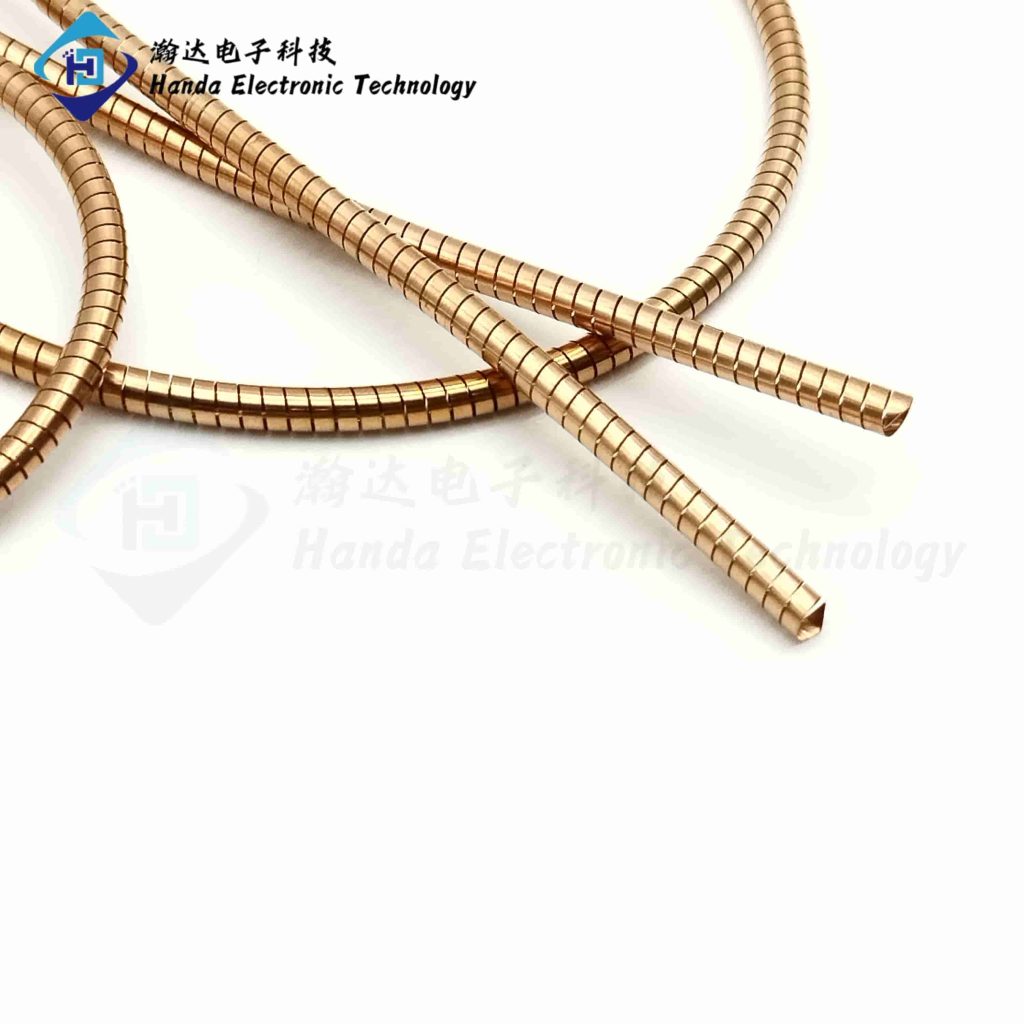
Die Spiral-EMI-Abschirmungsprodukte von Handa sind in verschiedenen Materialausführungen erhältlich, darunter:
- Beryllium-Kupfer
- Rostfreier Stahl
- Titanlegierung
- Nickelbasislegierungen wie Inconel und Hastelloy für kundenspezifische Anwendungen
Die Spiral-EMI-Abschirmungsprodukte von Handa sind in verschiedenen Materialausführungen erhältlich, darunter:
- Beryllium-Kupfer
- Rostfreier Stahl
- Titanlegierung
- Nickelbasislegierungen wie Inconel und Hastelloy für kundenspezifische Anwendungen
Weitere Informationen finden Sie hier:https://www.handashielding.com/emi-shielding-spira/
3. Warum BeCu häufig für Anwendungen als EMI-Spiral-Dichtungen in Betracht gezogen wird
Berylliumkupfer (BeCu) wird häufig in Anwendungen zur EMI-Abschirmung eingesetzt, da es ein ausgewogenes Verhältnis zwischen folgenden Eigenschaften bietet:
- Elektrische Leitfähigkeit
- Mechanische Festigkeit
- Federartige Rückstellcharakteristik
- Langfristige Kontaktzuverlässigkeit
Bei EMI-Abschirmkonstruktionen ist die elektrische Leitfähigkeit von Bedeutung, da das Abschirmelement einen durchgehenden, niederohmigen Strompfad bilden muss. Die Leitfähigkeit allein ist jedoch nicht ausschlaggebend für die EMI-Leistung. Das tatsächliche Abschirmverhalten hängt außerdem ab von:
- Kontaktzustand
- Oberflächenbehandlung
- Einbaugeometrie
- Komprimierungsstufe
- Frequenzbereich
Daher sollte bei der technischen Bewertung die gesamte Konstruktion berücksichtigt werden und nicht nur das Grundmaterial.
4. Warum bedeutet „25%-Verdichtung“ nicht automatisch eine 25%-Verdichtung bei niedriger Temperatur?
Dies ist ein wichtiger Unterschied bei Anwendungen mit niedrigen Temperaturen. Angenommen, eine Spiral-Schutzgasdichtung wird bei 25 °C unter Einhaltung der empfohlenen Abmessungen eingebaut und erreicht den gewünschten Anpressdruck. Wenn die Temperatur sinkt:
- Die spiralförmige Dichtungsmanschette verändert ihre Abmessungen.
- Das Gehäuse ändert seine Abmessungen.
- Die Einbaunut ändert ihre Abmessungen.
- Verschiedene Materialien können unterschiedlich stark schrumpfen.
Daher:
Eine Kompressionsbedingung von 25% bei Raumtemperatur bedeutet nicht automatisch, dass genau dieselbe geometrische Kompressionsbedingung auch bei niedrigen Temperaturen aufrechterhalten wird.Für anspruchsvolle Anwendungen bei niedrigen Temperaturen ist es daher sinnvoll, mindestens drei Bedingungen zu prüfen:
| Zustand | Was sollte überprüft werden? |
| Montage bei Raumtemperatur | Anfangspressung, Einpresskraft, Kontaktbedingungen |
| Tiefsttemperatur | Tatsächlicher Druckzustand und elektrische Durchgängigkeit |
| Nach dem Temperaturwechsel | Dauerhafte Verformung, Verschleiß und Veränderungen der Kontaktbedingungen |
Die dritte Bedingung ist besonders wichtig für Anlagen, die für den Langzeitbetrieb ausgelegt sind. Eine Konstruktion kann zwar während des ersten Kühlzyklus einwandfrei funktionieren, nach Dutzenden oder Hunderten von Temperaturzyklen jedoch Veränderungen im Kontaktverhalten aufweisen.
5. Oberflächenbehandlung: Wählen Sie eine Beschichtung nicht nur deshalb aus, weil sie die höchste Leitfähigkeit aufweist.
Bei spiralförmigen Dichtungen können Oberflächenbehandlungen zum Einsatz kommen, um die Kontaktleistung, die Umweltbeständigkeit, die Korrosionsbeständigkeit oder die Materialverträglichkeit zu verbessern. Je nach Produktkonfiguration bietet Handa folgende Oberflächenbehandlungen an:
- Zinn
- Nickel
- Silber
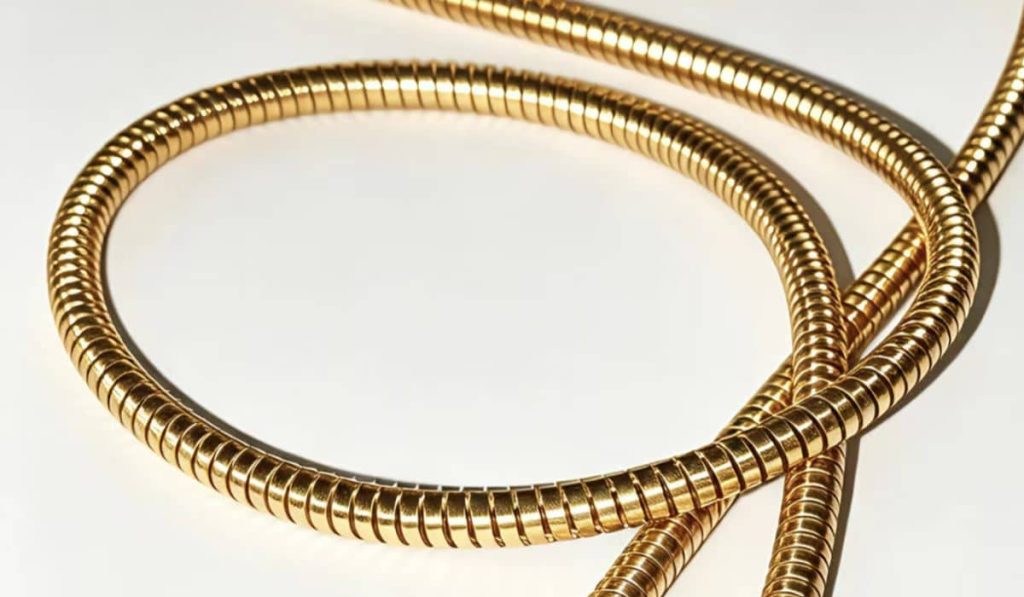
- Gold
- Passivierung
- Zink
Es wäre jedoch zu vereinfachend zu sagen: „Gold ist das beste Material, daher sollte man für Niedrigtemperaturanwendungen immer Gold wählen.“
Bei der praktischen Konstruktion sollten die folgenden Faktoren gemeinsam berücksichtigt werden: „Grundmaterial + Beschichtung + Gegenstückmaterial + Umgebungsbedingungen + Kontaktanforderungen + Kosten“, Bei einigen Anwendungen besteht der Hauptzweck der Oberflächenbehandlung möglicherweise darin, die Oxidationsbeständigkeit zu verbessern oder einen stabilen elektrischen Kontakt aufrechtzuerhalten. Bei anderen Anwendungen kann die langfristige Umweltbeständigkeit der wichtigere Aspekt sein. Daher sollte die Oberflächenbehandlung als Teil des gesamten elektrischen Kontaktsystems und nicht als isolierter Parameter bewertet werden.
6. Worin besteht der Unterschied bei der Auswahl von spiralförmigen Dichtungen für -40 °C, -80 °C und -196 °C?
Anwendungen im Niedrigtemperaturbereich lassen sich grob in mehrere technische Stufen unterteilen.
| Temperaturszenario | Hauptrisiko | Auswahlschwerpunkt | Empfohlene Validierung |
| Etwa -40 °C | Kontraktion bei niedrigen Temperaturen und Veränderungen der Kontaktverhältnisse | Material + Kompression + Rillenabmessungen | Niedertemperatur-Halten / Zyklen |
| Etwa -80 °C | Stärkere thermische Ausdehnung | Werkstoffverträglichkeit + Konstruktionsmaße | Temperaturwechselprüfung + Kontaktprüfung |
| ≤ -100 °C | Maßänderungen bei extrem niedrigen Temperaturen | Temperaturabhängige Materialdaten + Strukturanalyse | Tests bei niedrigen Temperaturen |
| Etwa -196 °C | Kryogene Bedingungen | Materialzustand, thermische Kontraktion, strukturelle Zuverlässigkeit | Tatsächliche kryogene Validierung |
Es gibt keine einfache Regel, die besagt: „Bei –80 °C muss immer Material A verwendet werden, während bei –196 °C immer Material B verwendet werden muss.“
Die konkrete Ausgestaltung hängt ab von:
- Abmessungen der spiralförmigen Abschirmdichtung
- Zustand des Materials
- Gehäusematerial
- Rillen-Design
- Komprimierung
- Anzahl der Temperaturwechselzyklen
- Zulässige Kontaktabweichung
Ein präziserer ingenieurwissenschaftlicher Ansatz lautet daher:Temperatur → Material → Relative Bewegung → Kompression → Validierung anstatt:Temperatur →Material
7. Wenden Sie EMI-Prüfdaten bei Raumtemperatur nicht direkt auf Anwendungen bei niedrigen Temperaturen an.
EMI-Prüfdaten bei Raumtemperatur sollten nicht direkt auf Anwendungen bei niedrigen Temperaturen übertragen werden.Wenn beispielsweise eine Spiral-Abschirmdichtung bei 25 °C eine bestimmte Abschirmwirksamkeit erreicht, sollten Sie nicht dieselbe Leistung bei -80 °C annehmen, es sei denn, es liegen Testdaten bei niedrigen Temperaturen vor. Der Grund dafür ist, dass niedrige Temperaturen die Materialeigenschaften, den elektrischen Kontakt und die Gesamtkontinuität der Baugruppe beeinträchtigen können, was sich wiederum auf die Abschirmleistung auswirkt.
Bei Anwendungen, bei denen eine nachgewiesene EMI-Leistung bei niedrigen Temperaturen erforderlich ist, können die Prüfungen Folgendes umfassen:
Test bei Raumtemperatur → Kontrollierte Abkühlung → Halten der Mindesttemperatur → Kontaktprüfung bei niedriger Temperatur → Kontrollierte Erwärmung → Temperaturwechselprüfung → EMI-Test nach dem Zyklus
8. Welche Informationen sollten Sie für ein konkretes Ingenieurprojekt bereitstellen?
Wenn Sie eine spiralförmige Schutzgasdichtung für Halbleiteranlagen, Vakuumanlagen, Tieftemperatur-Elektronik oder eine andere anspruchsvolle Anwendung suchen, können Sie die Genauigkeit der Empfehlung erheblich verbessern, indem Sie zu Beginn des Projekts die folgenden Informationen bereitstellen.
Temperaturbedingungen Mechanischer Aufbau
- Minimaltemperatur
- Höchsttemperatur
- Normale Betriebstemperatur
- Häufigkeit der Temperaturwechselbeanspruchung
- Haltezeit bei niedriger Temperatur
- Spiralförmige Abschirmdichtung – Außendurchmesser
- Tiefe der Rille
- Rillenbreite
- Verfügbarer Einbauraum
- Anforderungen an die Kompression
Materialien, Umgebungsbedingungen
- Material für spiralförmige Abschirmdichtungen
- Gehäusematerial
- Material der Passfläche
- Anforderungen an die EMI-Abschirmung
- Anforderung an die elektrische Durchgängigkeit
- Frequenzbereich
- Anforderungen an den Kontaktwiderstand, falls zutreffend
Je vollständiger diese Parameter sind, desto genauer lassen sich Material, Abmessungen und Oberflächenbehandlung bewerten.
9. Wie kann Handa Ihnen bei der Auswahl der richtigen Spiral-Schutzgasdichtung für Niedrigtemperaturanwendungen helfen?
Bei Anwendungen im Niedertemperatur- und Kryobereich sollten bei der Auswahl von Spiral-Dichtungen folgende Aspekte berücksichtigt werden: Temperatur, Werkstoff, mechanischer Aufbau und Druck zusammen – nicht nur die Abmessungen. Handa bietet „Spiral Shield“-Lösungen mit unterschiedlichen Materialien, Rohrdurchmessern, Kompressionsbedingungen und Oberflächenbehandlungen an. Maßgeschneiderte Ausführungen sind ebenfalls auf der Grundlage von Zeichnungen und Anwendungsanforderungen erhältlich.
Um eine geeignete Konfiguration empfehlen zu können, geben Sie bitte Folgendes an:Temperatur + Gehäusematerial + Nutgröße + Außendurchmesser der spiralförmigen Abschirmdichtung + EMI-Anforderung。Diese Parameter helfen dabei, die geeignete Material, Aufbau und Kompressionskonfiguration für Ihre Bewerbung.
Sollten Sie noch Fragen haben, wenden Sie sich bitte an unsere Ingenieure.