Do You Know about Snap-on mounting shielding fingerstrips?
In the realm of electromagnetic interference (EMI) shielding, Snap-On mounting shielding fingerstrips(fingerstocks), one of the shielding Fingerstrips, are pivotal components designed to ensure optimal performance and reliability of electronic devices. This article provides an in-depth exploration of these fingerstrips, their applications, benefits, and considerations for selecting the right type for your needs.
Table of Contents
What are Snap-On Mounting Shielding Fingerstrips?
Snap-On mounting shielding fingerstrips(fingerstocks) are specialized components used to create a conductive path between the shielding enclosure and the electronic device’s chassis. They are integral to maintaining electromagnetic compatibility (EMC) by preventing EMI from interfering with device performance or causing signal degradation. These fingerstrips feature a series of conductive fingers that snap into place, ensuring a secure and effective electrical connection.
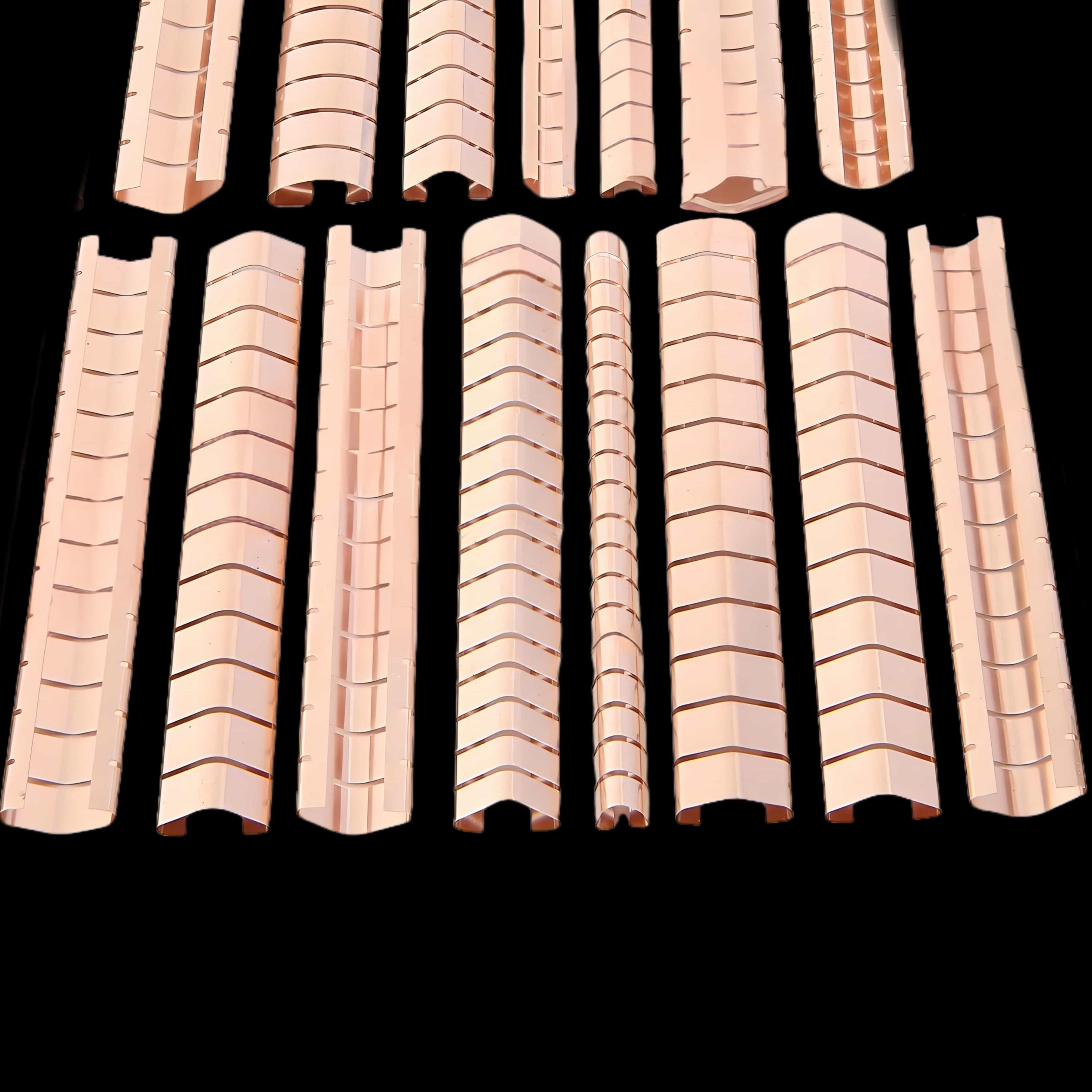
Key Features and Benefits
- Easy Installation: The snap-on mechanism allows for quick and secure mounting, eliminating the need for additional tools or complex procedures. This feature is especially valuable in environments where time is of the essence, and efficiency is paramount.
- Effective Shielding: The primary function of these fingerstrips is to provide effective EMI shielding. By establishing a reliable conductive path, they ensure that electromagnetic interference is minimized, thereby protecting sensitive electronic components from potential disruptions. This shielding capability is crucial for maintaining the integrity and performance of electronic devices.
- Versatility: Snap-On mounting shielding fingerstrips are available in various sizes, shapes, and materials to accommodate different applications and requirements. Whether for use in high-frequency applications or in environments with stringent EMI control needs, there is a suitable fingerstrip available to meet specific requirements.
- Durability: Constructed from high-quality materials such as conductive metals or metal-plated plastics, these fingerstrips are designed to withstand harsh environmental conditions. They offer excellent durability and longevity, ensuring that they maintain their effectiveness over time.
- Cost-Effectiveness: The simple design and ease of installation contribute to cost savings. By reducing labor time and simplifying the assembly process, Snap-On mounting shielding fingerstrips provide a cost-effective solution for EMI shielding.
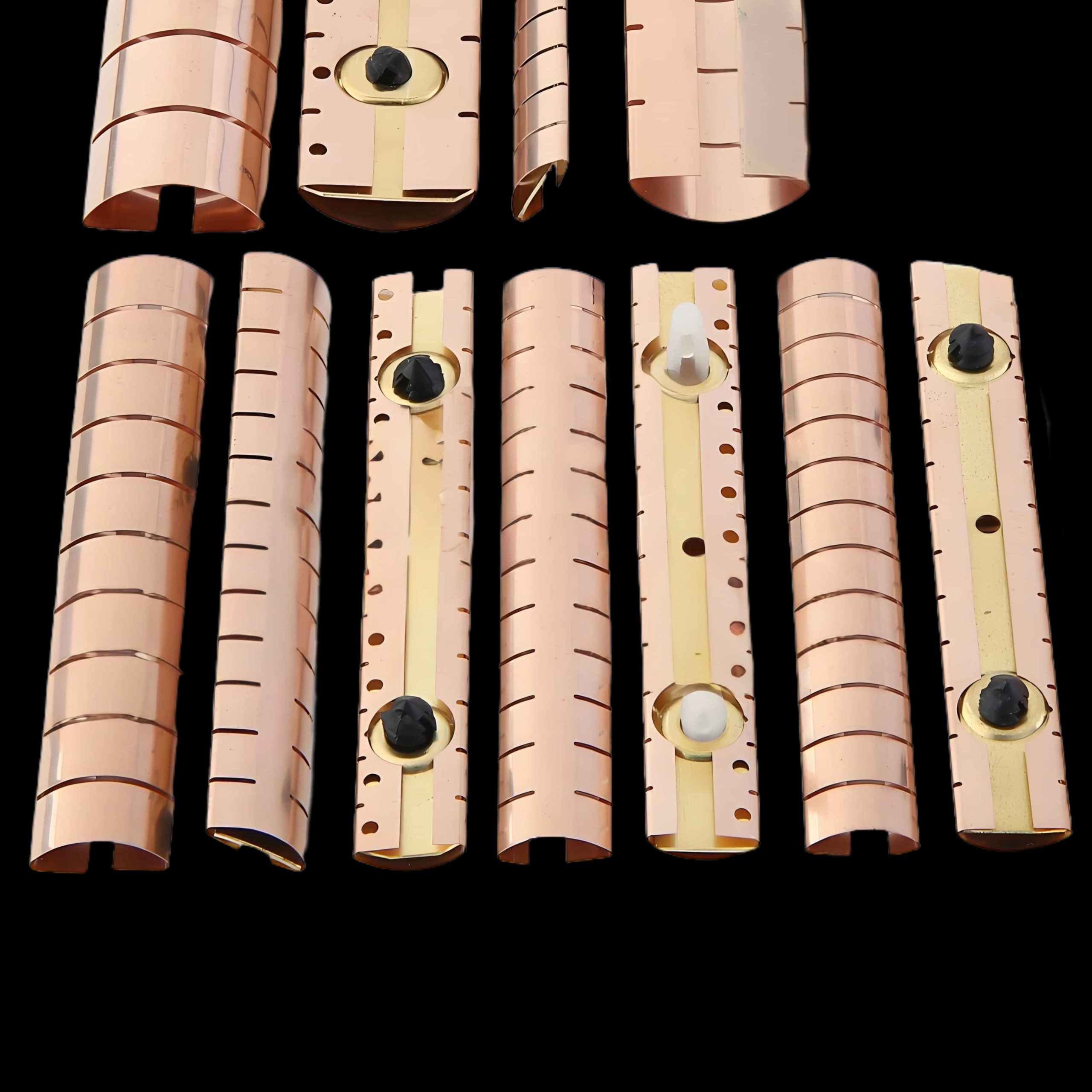
Materials and plating
Common materials used in the construction of Snap-on Mounting Shielding Fingerstrips include:
- Beryllium-Copper: Known for its excellent electrical conductivity and corrosion resistance, beryllium-copper is a popular choice for EMI shielding applications. It offers a good balance of strength, ductility, and electrical conductivity, making it ideal for both general and specific shielding needs.
- Stainless Steel: Stainless steel is another commonly used material due to its durability, resistance to corrosion, and good electrical conductivity. It is particularly well-suited for environments where exposure to moisture or chemicals is a concern.
- Beryllium-Copper Tin Plated: This variant of beryllium-copper is treated with a tin plating to enhance its corrosion resistance further. The tin plating also provides a smoother surface finish, which can be beneficial in certain applications where low friction is desired.
- Beryllium-Copper Nickel Plated: Similar to the tin-plated version, nickel-plated beryllium-copper offers improved corrosion resistance and a polished appearance. The nickel plating can also contribute to better solderability in electronic assembly processes.
- Phosphorous Bronze: While not as commonly mentioned as the others, phosphorous bronze is occasionally used due to its good electrical conductivity and resistance to corrosion. It is slightly less strong than beryllium-copper but still finds application in specific shielding requirements.
Applications
Snap-On mounting shielding fingerstrips are utilized in a wide range of applications across various industries. Some notable applications include:
- Telecommunications: In telecommunications equipment, effective EMI shielding is essential to prevent signal interference and maintain data integrity. Snap-On mounting shielding fingerstrips are used in telecom enclosures to ensure reliable operation and performance.
- Consumer Electronics: For consumer electronics such as smartphones, tablets, and laptops, EMI shielding is critical to prevent performance issues and ensure user safety. Snap-On fingerstrips are employed in these devices to provide necessary protection.
- Automotive: Modern vehicles are equipped with numerous electronic systems that require EMI shielding to function correctly. Snap-On mounting shielding fingerstrips are used in automotive applications to protect sensitive electronics from electromagnetic interference.
- Industrial Machinery and Equipment: Such as CNC machines, robotics, and automated manufacturing systems, utilize Snap-on Mounting Shielding Fingerstrips to shield against EMI and RFI. This is important for maintaining precision and accuracy in operations, as well as preventing potential damage to electronic components from interference.
- Medical Devices: Such as MRI machines, X-ray machines, and pacemakers, rely on Snap-on Mounting Shielding Fingerstrips to protect against EMI and RFI. This is vital for ensuring patient safety and device functionality, as interference could lead to incorrect readings or device malfunction.
- Aerospace and Defense: In the aerospace and defense sectors, Snap-on Mounting Shielding Fingerstrips are used in the manufacture of avionics systems, radar systems, and communication equipment. These applications demand high levels of electromagnetic shielding to protect against potential interference from other electronic systems and external sources.
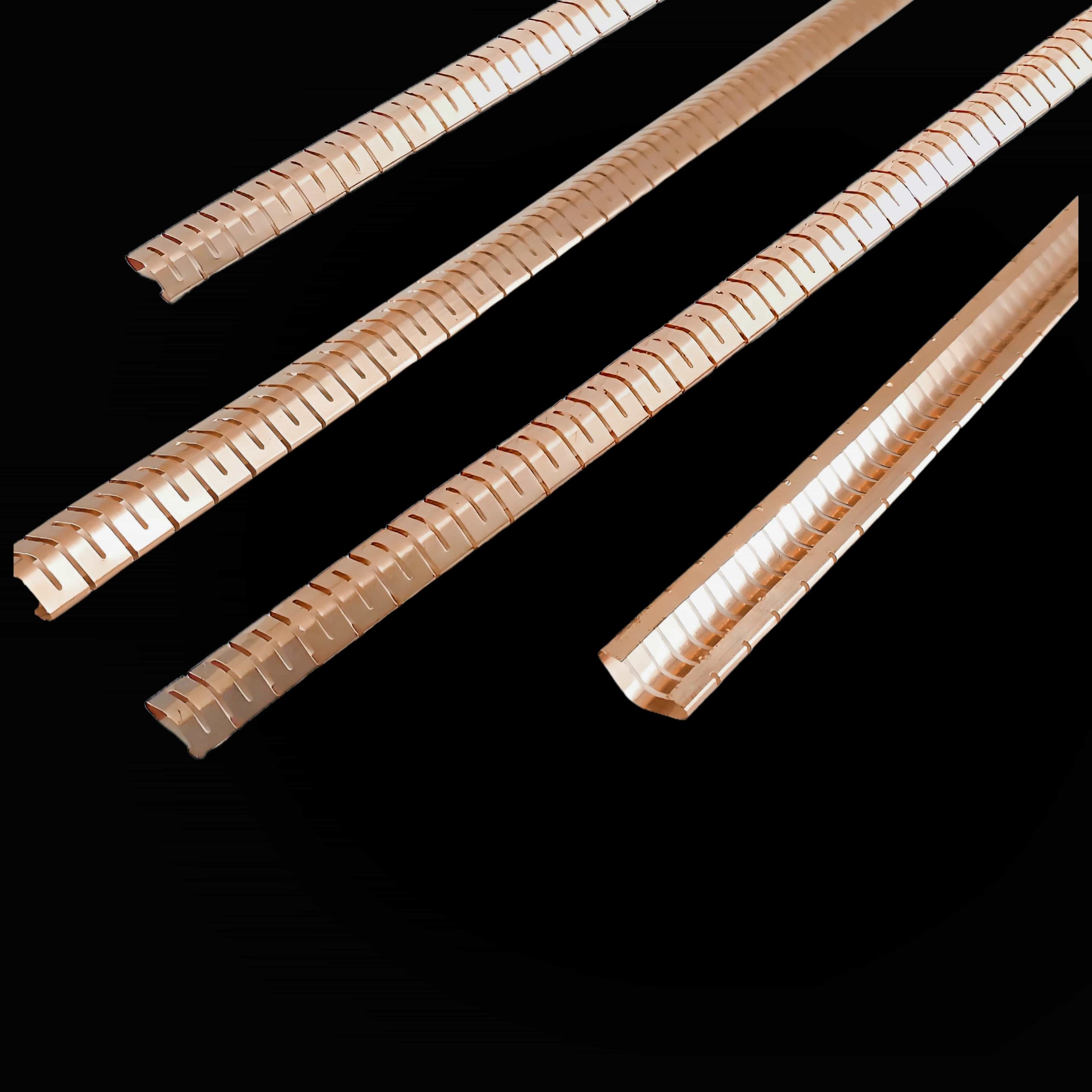
Considerations for Selection
When selecting Snap-On mounting shielding fingerstrips, several factors should be considered to ensure optimal performance:
- Material Compatibility: The choice of material can affect the effectiveness of EMI shielding. It is essential to select a material that matches the requirements of the specific application, whether it is for high-frequency shielding or general-purpose use.
- Size and Shape: Fingerstrips come in various sizes and shapes. It is important to choose the correct dimensions to ensure a proper fit and effective performance. Consider the dimensions of the enclosure and the device when making a selection.
- Environmental Conditions: The operating environment can impact the performance and longevity of the fingerstrips. Factors such as temperature, humidity, and exposure to chemicals should be taken into account when selecting the appropriate fingerstrip.
- Electrical Conductivity: The conductivity of the fingerstrips is crucial for effective EMI shielding. Ensure that the chosen fingerstrips offer the necessary level of electrical conductivity to meet the shielding requirements.
- Installation Requirements: Consider the ease of installation and any specific requirements for mounting the fingerstrips. Some applications may require additional mounting hardware or preparation, so it is important to review installation guidelines.
Conclusion
Snap-On mounting shielding fingerstrips play a vital role in ensuring electromagnetic compatibility and protecting electronic devices from interference. Their ease of installation, effectiveness, versatility, and durability make them an essential component in various applications, from telecommunications to automotive and medical devices.
By carefully considering factors such as material compatibility, size, environmental conditions, electrical conductivity, and installation requirements, you can select the most suitable Snap-On mounting shielding fingerstrips for your specific needs.For more detailed information and product specifications, you can contact us and our experts will solve your problems to help you make informed decisions and achieve optimal EMI shielding results.