Как предотвратить ослабление усилия в пружинах со скошенными витками
Ослабление усилия в пружинах с наклонной спиралью может привести к сбоям в работе электрооборудования, утечке уплотнений и сокращению срока службы изделия. Узнайте о технических причинах ослабления усилия, включая ползучесть материала, температурные эффекты и ошибки при проектировании канавок, а также о проверенных стратегиях поддержания стабильной долговременной работы пружин.

Ослабление усилия в пружинах с наклонной спиралью может привести к сбоям в работе электрооборудования, утечке уплотнений и сокращению срока службы изделия. Узнайте о технических причинах ослабления усилия, включая ползучесть материала, температурные эффекты и ошибки при проектировании канавок, а также о проверенных стратегиях поддержания стабильной долговременной работы пружин.
Введение
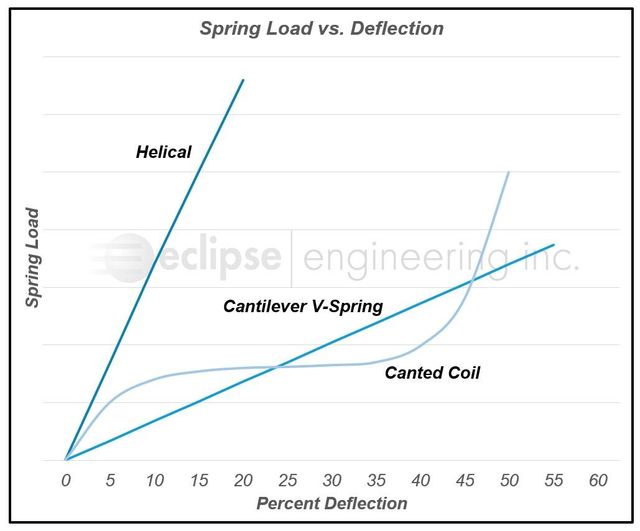
Пружины со скошенными витками широко используются в электрические контакты, защита от электромагнитных помех, системы уплотнения и прецизионные механические узлы благодаря их способности доставлять практически постоянная сила в больших диапазонах отклонения.
Однако одна из самых распространенных проблем, с которыми сталкиваются инженеры, - это релаксация силы-постепенная потеря контактной силы с течением времени.
Если не принять меры, силовое расслабление может стать причиной:
- Перебои в работе электрооборудования
- Негерметичность уплотнения
- Пониженная виброустойчивость
- Преждевременный износ
- Неудачи на местах
Понимание почему Как предотвратить релаксацию - это очень важно для достижения долгосрочной надежности в сложных условиях эксплуатации.
В этой статье приводится подробное инженерное руководство по основным причинам расслабления силы и практическим методам его устранения.
Что такое релаксация силы в пружинах с коническими витками?
Релаксация силы относится к постепенное уменьшение силы пружины при постоянном прогибе.
В отличие от внезапного механического отказа, расслабление происходит медленно и часто остается незамеченным до снижения производительности.
В пружинах со скошенными витками расслабление происходит в основном за счет:
- Металлургические изменения под напряжением
- Повышенные рабочие температуры
- Непрерывное сжатие
- Неправильная геометрия канавки
- Ползучесть материала
Даже перепада силы в 10-20% может быть достаточно, чтобы нарушить электропроводность или целостность уплотнения.
Основные причины расслабления силы
1. Релаксация напряжений и ползучесть материала
Все металлы испытывают релаксацию напряжения при длительной нагрузке - особенно при высоких температурах.
Особенно уязвимы низкосортные нержавеющие стали.
Типичная потеря силы после 1000 часов работы при повышенной температуре:
| Материал | Приблизительная потеря силы |
|---|---|
| Нержавеющая сталь 302 | 20-30% |
| Нержавеющая сталь 316 | 15-25% |
| Бериллиевая медь | 8-15% |
| Elgiloy® | <8% |
| Инконель X-750 | <5% |
| MP35N | <5% |
Высокопроизводительные сплавы значительно превосходят стандартные материалы по долговременной стабильности.
2. Повышенная рабочая температура
Температура ускоряет движение атомов внутри металлов, ускоряя релаксацию напряжения.
Общие рекомендации:
- Ниже 100°C → минимальная релаксация
- 100-150°C → умеренная релаксация
- Выше 150°C → быстрое снижение силы (для нержавеющих сталей)
Для работы в высокотемпературных средах используются сплавы на основе никеля, такие как Inconel® или MP35N очень важны.
3. Неправильная конструкция канавки
Геометрия канавки напрямую определяет, насколько равномерно распределяется нагрузка.
К распространенным ошибкам проектирования относятся:
- Малая глубина паза
- Острые углы
- Чрезмерный радиальный зазор
- Непараллельные боковины
Они вызывают локальное перенапряжение, приводящее к ускоренной релаксации.
Некачественные канавки часто сокращают срок службы пружин более чем на 40%.
4. Чрезмерное сжатие при сборке
Установка пружины сверх рекомендованного рабочего прогиба приводит к необратимому повреждению ее упругой структуры.
Это приводит к:
- Немедленная потеря предварительной нагрузки
- Нелинейное поведение силы
- Быстрое расслабление
Контролируемое сжатие во время сборки имеет решающее значение.
5. Производственная изменчивость
Несоответствие диаметра проволоки, шага витков или термической обработки приводит к непредсказуемой отдаче усилия.
Пружины низкого качества часто имеют большой разброс усилий от партии к партии.
Профессиональные производители реализуют:
- Жесткие допуски на размеры
- Термостабилизация
- Силовые испытания на уровне партии
для обеспечения последовательности.
Инженерные стратегии для предотвращения расслабления силы
1. Выберите подходящий материал для применения
Выбор материала - самый эффективный способ уменьшить расслабление.
Рекомендуемые материалы по применению:
| Среда применения | Рекомендуемый сплав |
|---|---|
| Высокая температура | Inconel®, MP35N |
| Электрический контакт | Бериллиевая медь |
| Коррозионные среды | 316 Нержавеющая |
| Долгосрочная герметизация | Elgiloy® |
Одно только усовершенствование материала может улучшить сохранение силы на 50%.
2. Оптимизируйте геометрию канавки
Правильная конструкция канавок обеспечивает равномерное зацепление катушек.
Лучшие практики:
- Глубина канавки = диаметр проволоки × 0,85-0,95
- Радиус угла ≥ 0,2 мм
- Контролируемый радиальный зазор
- Стенки с параллельными пазами
Это предотвращает локальное напряжение и повышает долговременную стабильность.
3. Определите контролируемый рабочий диапазон
Вместо того чтобы указывать только прогиб, инженеры должны определить:
- Начальная предварительная нагрузка
- Рабочее окно отклонения
- Диапазон целевых усилий
Это позволяет избежать попадания пружин в нелинейные области, где релаксация ускоряется.
4. Нанесите термостабилизацию
Высококачественные пружины со скошенными витками подвергаются термической обработке после формовки для снятия остаточных напряжений.
Это значительно снижает разрушение силы в начале жизни.
5. Проверьте с помощью испытаний на прогиб под нагрузкой
Профессиональные поставщики:
- Измерение кривой прогиба под нагрузкой
- Выборка на основе лотов
- Статистическое управление процессами
Это гарантирует, что каждая партия продукции будет соответствовать требованиям.
Сравнение: Типы Spring и поведение релаксации
| Тип пружины | Стабильность силы | Диапазон отклонения | Сопротивление релаксации |
|---|---|---|---|
| Пружина сжатия | Низкий | Узкий | Умеренный |
| Листовая рессора | Умеренный | Ограниченный | Умеренный |
| Пружина со скошенными витками | Высокий | Широкий | Превосходно |
Правильно сконструированные пружины со скошенными витками превосходят традиционные пружины по долговременной стабильности усилия.
Почему качественное производство имеет значение
В недорогих пружинах часто пропускаются такие важные этапы, как:
- Снятие стресса
- Прецизионная формовка
- Контроль размеров
- Проверка силы
Такие сокращения напрямую приводят к преждевременному расслаблению.
Поставщики машиностроительного уровня инвестируют в:
- Формовка рулонов с ЧПУ
- Вакуумная термообработка
- Лазерное измерение
- Полная прослеживаемость материалов
Это значительно повышает надежность.
Заключение
Релаксация силы в пружинах со скошенными витками не является неизбежной - это инженерная задача с четкими решениями.
В число основных авторов входят:
- Ползучесть материала
- Повышенная температура
- Ошибки при проектировании канавок
- Чрезмерная компрессия
- Несоответствие производства
Применяя правильный выбор материала, точную конструкцию канавок, контролируемые рабочие диапазоны и профессиональные производственные процессы, инженеры могут добиться:
✅ Стабильная контактная сила
✅ Надежные электрические характеристики
✅ Улучшенная герметичность
✅ Увеличенный срок службы
✅ Уменьшение количества отказов на местах
При правильном проектировании пружины со скошенными витками обеспечивают исключительную долговременную стабильность усилия - даже в экстремальных условиях.