エンジニアが陥りがちなキャントコイルスプリングの選定ミス
エンジニアが陥りがちなキャントコイルスプリングの選定ミスを発見し、シーリング、EMIシールド、電気接点アプリケーションに適したスプリングの選定方法を学びます。信頼性、性能、製品寿命を向上させます。
エンジニアが陥りがちなキャントコイルスプリングの選定ミス
はじめに
キャントコイルスプリングは、航空宇宙、医療機器、半導体製造、オイル&ガス、電子機器などの産業で広く使用されています。そのユニークなコイル形状により、低く予測可能なバネ力、優れた導電性、長いサイクル寿命、信頼性の高いシール性能を提供することができます。
しかし、多くのエンジニアは未だに選択プロセスで重大な間違いを犯しています。間違ったキャントコイルスプリングを選択すると、シーリング不良、不安定な電気接触、EMIリーク、早期摩耗、過剰な挿入力につながる可能性があります。
この記事では、エンジニアが陥りがちなキャントコイルスプリングの選定ミスと、システムの信頼性向上と長期的なコスト削減のためのミスの回避方法について説明します。
キャント・コイル・スプリングとは?
A コイルスプリング は、ばね軸に対して特定の角度(カント)で設定されたワイヤコイルから形成されたらせんばねです。従来の圧縮スプリングと異なり、カントコイルスプリングは、以下のような特徴がある:
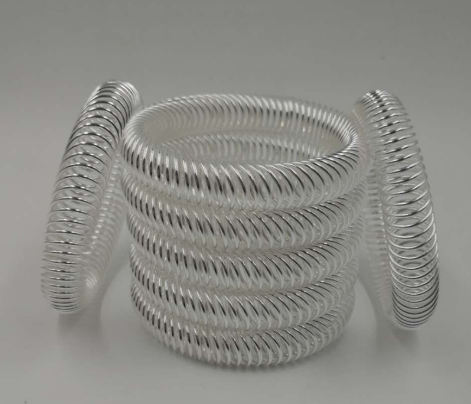
- 低い閉鎖力
- 広い使用たわみ範囲
- ほぼ一定のバネ力
- 優れた導電性
- 長寿命
一般的に使用されている:
- スプリング式シール
- EMIシールド
- 電気コネクタ
- バッテリー接点
- 医療機器
- 航空宇宙システム
適切なスプリング選択が重要な理由
正しいキャントコイルスプリングの選択は、直接的に影響する:
| パフォーマンス・ファクター | 誤った選択の影響 |
|---|---|
| シーリングの信頼性 | 漏れまたは圧力損失 |
| 電気伝導率 | 高い接触抵抗 |
| EMIシールド | 信号干渉 |
| 機械的寿命 | 早期疲労故障 |
| 組立パフォーマンス | 過度の挿入力 |
| 製品コスト | メンテナンスと再設計の増加 |
小さな設計ミスでも、重要なアプリケーションでは大きな信頼性の問題を引き起こす可能性がある。
1.荷重-たわみ特性の無視
最も一般的な間違いの一つは、荷重-たわみ挙動ではなく、サイズのみに基づいてスプリングを選択することです。
カンテッドコイルスプリングは、広い撓み範囲で制御されたバネ力を提供するために特別に設計されています。エンジニアは、以下のようなスプリングを選ぶことがあります:
- 過大なスプリング力
- たわみ不足
- 不適切な負荷曲線
その結果、こうなる可能性がある:
- 過度の摩耗
- 難しい組み立て
- シールの損傷
- 電気的不安定性
それを避けるには
常に評価する:
- 使用たわみ範囲
- 初期挿入力
- 動作負荷
- 最終圧縮力
設計を確定する前に、メーカーに荷重-たわみデータを要求する。
2.間違ったバネ素材の選択
長期的な性能のためには、材料の選択が重要である。
異なる環境は異なる合金を必要とします。標準的な工業環境では良好な性能を発揮するバネ材も、環境によっては不具合が生じることがあります:
- 極低温
- 高熱
- 腐食性化学物質
- 真空環境
- マリンアプリケーション
一般的な素材と用途
| 素材 | 代表的なアプリケーション |
|---|---|
| ステンレス鋼 302/316 | 一般産業用 |
| エルジロイ | 腐食性および医療環境 |
| MP35N | 航空宇宙および高性能システム |
| インコネル | 高温アプリケーション |
| ベリリウム銅 | 高い導電性が要求される |
よくある間違い
腐食性の高い環境用にステンレス鋼を選択すると、腐食疲労やスプリング寿命の低下につながることが多い。
3.電気的要件の見落とし
多くのエンジニアは機械的な力だけに注目し、電気的な性能は無視している。
電気接点の用途では、スプリングの選択ミスが原因となることがある:
- 高い接触抵抗
- 信号の不安定性
- 発熱
- 電力損失
重要な電気的要因
- 導電率
- コンタクトフォース
- 表面メッキ
- 現在の輸送能力
- 耐環境酸化性
用途によっては金、銀、ニッケル、錫メッキが必要な場合もある。
4.不適切な溝設計
適切に選択されたスプリングであっても、溝の寸法が正しくない場合は不具合が生じる可能性がある。
グルーブに関連する一般的な問題には以下のようなものがある:
- 過度の圧縮
- スプリング保持力不足
- 不均等な力配分
- スプリングの変形
典型的な溝設計の誤り
| 間違い | 結果 |
|---|---|
| 溝が浅すぎる | 過圧縮 |
| 溝が深すぎる | 低い接触力 |
| シャープな溝のエッジ | 春のダメージ |
| 耐性コントロール不良 | 一貫性のないパフォーマンス |
メーカーはしばしば推奨溝寸法を提示しており、慎重に従うべきである。
5.環境条件の無視
環境条件はバネの性能に大きく影響する。
重要な環境要因
- 温度範囲
- 湿度
- 化学物質への暴露
- 真空状態
- 圧力サイクル
- 塩水噴霧暴露
例えば、こうだ:
- 低温は弾力性を低下させる可能性がある
- 高温はストレス緩和の原因となる
- 真空環境では低アウトガス材料が必要
これらの要因を無視すると、スプリングの寿命は劇的に短くなる。
6.高すぎるフォース・レベルの選択
多くのエンジニアは、バネ力が高ければ信頼性が向上すると思い込んでいる。
現実には、過剰な武力はそれを生み出す可能性がある:
- 摩耗の促進
- より高い摩擦
- シールの損傷
- 挿入力の向上
- 製品寿命の短縮
キャントコイルスプリングは、最小限の摩耗で最適な力を提供するため、貴重な存在です。
理想的な設計では、信頼できる接触や密封を達成するために必要な最小限の力を使用する。
7.動的なアプリケーションと静的なアプリケーションを考慮しない
静的シーリングと動的シーリングでは、必要とされるバネの特性が異なる。
静的アプリケーション
通常、必要とされる:
- 安定した長期負荷
- 耐食性
- 最低限のリラックス
ダイナミック・アプリケーション
必要だ:
- 低摩擦
- 耐疲労性
- 安定したサイクリング性能
- 摩耗の低減
静的条件に最適化されたスプリングを動的システムに使用すると、しばしば早期故障を引き起こす。
8.EMIシールド性能の軽視
EMIシールド用途では、スプリングの形状と導電性の両方が不可欠である。
よくある間違いは以下のようなものだ:
- 不十分な接触密度
- 不適切なメッキ
- エンクロージャーの取り付け不良
- 圧縮不足
これは電磁波の漏洩やシステムの干渉につながる可能性がある。
航空宇宙、通信、防衛などの業界では、信頼性の高いEMIシールド性能が求められます。
9.実環境をテストしない
実験室での性能は、必ずしも実際の使用条件を反映するものではない。
開発時間を短縮するためにプロトタイプのテストを省略するエンジニアもいるが、これはリスクを増大させる:
- 予期せぬ疲労故障
- 化学的不適合性
- 熱膨張の問題
- 組み立ての問題
推奨されるバリデーション試験
| テスト・タイプ | 目的 |
|---|---|
| 圧縮サイクリング | 疲労寿命評価 |
| 塩水噴霧試験 | 耐食性 |
| サーマルサイクリング | 温度耐久性 |
| 接触抵抗試験 | 電気的性能 |
| 真空テスト | アウトガスの検証 |
10.イニシャルコストのみに注目する
低価格のスプリングは魅力的に見えるかもしれないが、質の悪いスプリングは往々にして不具合を起こす:
- メンテナンス費用の増加
- 製品リコール
- ダウンタイム
- 信頼性の低下
- 耐用年数の短縮
高品質のキャントコイルスプリングは、より優れた一貫性、より厳しい公差、長期的な性能の向上を提供します。
クリティカルな業界では、通常、信頼性の方が小額の先行投資よりも価値がある。
キャントコイルスプリング選択のベストプラクティス
推奨される選考プロセス
- 動作環境の定義
- 必要なバネ力を決定する
- たわみ範囲の評価
- 適切な素材を選ぶ
- 電気的要件を確認する
- 溝寸法の最適化
- 試作とテスト
- 長期的なパフォーマンスの検証
HANDAのエンジニアリング・プロジェクト支援
HANDAはコイルスプリングの専門メーカーです:
- カスタム・スプリング設計サポート
- 材料選択ガイダンス
- グルーブ・デザインの推奨
- プロトタイプ製造
- 高精度生産
- 電気およびシーリングの最適化
- OEMおよびカスタムエンジニアリングソリューション
HANDA斜めコイルばねは、広く使用されています:
- 航空宇宙
- 医療機器
- 半導体システム
- 石油・ガス機器
- EMIシールド用途
- 高性能電気コネクター
結論
正しい選択 コイルスプリング は、標準サイズを選ぶだけではありません。エンジニアは、負荷特性、材料適合性、環境条件、溝設計、電気的性能、長期信頼性を慎重に評価しなければならない。
これらのよくある選考ミスを避けることで、大幅に改善することができる:
- 製品寿命
- シーリングの信頼性
- 電気的性能
- EMIシールド効果
- システム全体の安定性
経験豊富なメーカーと提携し、適切な検証テストを実施することで、エンジニアは最も要求の厳しいアプリケーションでも最適な性能を達成することができる。